
ConsumerFinance – Senate Hearing Highlights Sharp Divide Over CFPB’s Future Role
ConsumerFinance –The debate over the future direction of the Consumer Financial Protection Bureau took center stage in the Senate on Thursday, as administration officials defended efforts to reduce regulatory oversight while Democratic lawmakers argued that the changes could weaken safeguards for consumers. The hearing underscored the continuing disagreement in Washington over how aggressively the federal government should oversee the financial industry.
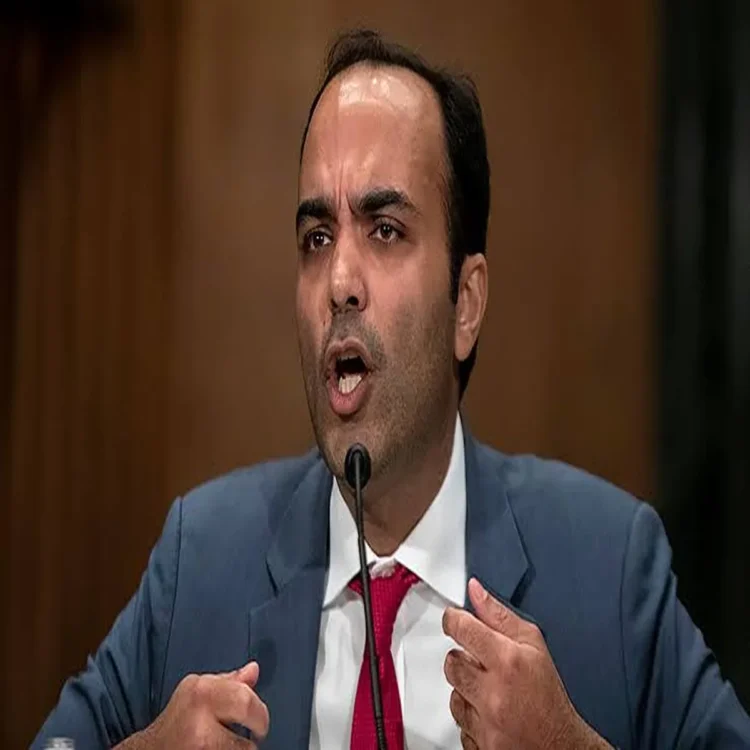
Administration Defends Regulatory Changes
Acting CFPB Director Russell Vought appeared before the Senate Banking Committee to deliver the agency’s semi-annual report to Congress. During his testimony, he said the bureau had shifted away from what he described as an overly aggressive regulatory approach and was now concentrating on carrying out only the responsibilities specifically assigned by federal law.
According to Vought, an internal review found that the agency had expanded its activities beyond the authority granted by Congress in previous years. He argued that limiting unnecessary regulation would make financial services more affordable by lowering compliance costs for lenders, increasing the availability of credit, and ultimately reducing borrowing expenses for consumers. He also maintained that taxpayers would benefit from a more focused use of government resources.
CFPB Focus Limited to Statutory Authority
Vought told senators that the bureau has moved away from what he called “regulation by enforcement.” Instead, he said the agency intends to provide banks, lenders, and other financial institutions with greater certainty by enforcing only those laws that Congress has clearly authorized.
He emphasized that lawmakers—not regulators—are responsible for creating financial laws, adding that the bureau plans to exercise its enforcement powers carefully and within clearly defined legal boundaries. In his view, this approach offers businesses a more predictable regulatory environment while remaining consistent with congressional intent.
Proposal for Structural Reform
During the hearing, Vought repeated his long-standing position that the CFPB’s structure should eventually be revised. He argued that placing the agency under the regular congressional appropriations process would improve oversight and accountability. His comments reflected broader Republican concerns about the bureau’s current level of independence.
Senate Banking Committee Chairman Tim Scott supported the administration’s position, saying that excessive regulation has limited access to financial products, particularly for lower-income households. Scott argued that when regulatory requirements force responsible financial products out of the market, consumers often face fewer choices, higher costs, or less favorable alternatives. He said clear and consistent rules could encourage competition while continuing to protect consumers.
Democrats Raise Consumer Protection Concerns
Democratic members of the committee strongly challenged the administration’s approach. Senator Elizabeth Warren argued that the bureau has reduced its enforcement efforts against major corporations accused of financial misconduct since Vought assumed leadership.
Warren claimed that the CFPB has withdrawn or dropped more than 40 enforcement actions involving large companies, which she said prevented many consumers from receiving billions of dollars in potential refunds. She contended that the bureau’s recent direction has weakened protections designed to hold financial institutions accountable.
Other Democratic senators questioned Vought about policy decisions involving banks, credit unions, student loan servicers, medical debt, military lending practices, and the agency’s consumer complaint system. They expressed concern that reduced oversight could leave individuals with fewer options when seeking relief from unfair financial practices.
CFPB’s Role Since the Financial Crisis
The Consumer Financial Protection Bureau was established through the Dodd-Frank Act of 2010 following the global financial crisis. Since beginning operations in 2011, the agency has served as the federal government’s primary watchdog for consumer financial issues.
Over the years, the CFPB has secured billions of dollars in financial relief for consumers through enforcement actions involving banks, mortgage companies, credit reporting agencies, and other financial institutions. The latest Senate hearing highlighted the ongoing debate over whether the bureau should maintain its traditional enforcement role or adopt a more limited approach focused strictly on its statutory authority.