
Conflict – Israeli Airstrikes Intensify Around Tyre Amid Rising Border Tensions
Conflict – Israeli forces launched fresh airstrikes near the southern Lebanese city of Tyre on Thursday after issuing evacuation warnings to civilians living in several neighbourhoods close to the area.
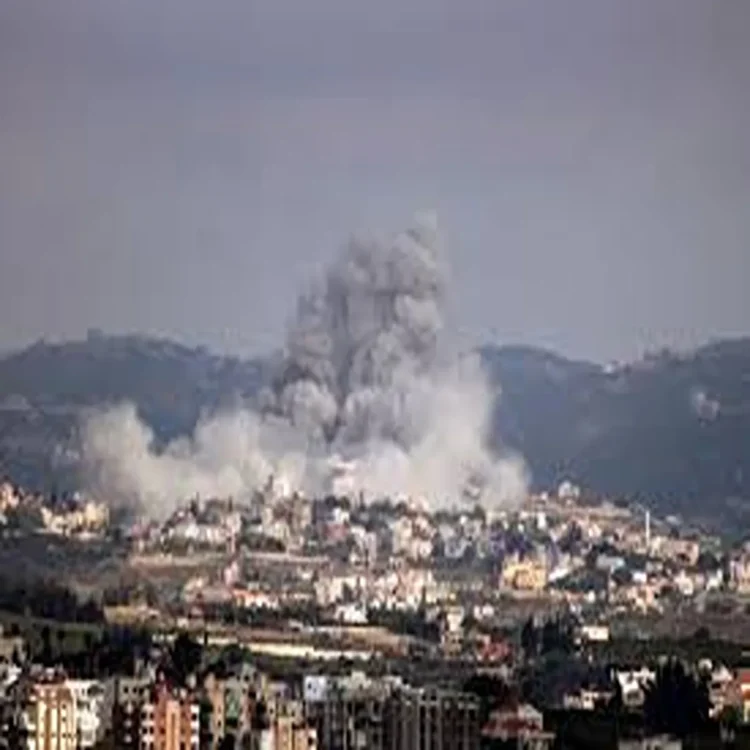
The Israeli military said the attacks were aimed at infrastructure linked to Hezbollah, the Iran-backed armed group operating in southern Lebanon. The operation came a day after Israel announced that all regions south of Lebanon’s Zahrani River would be treated as combat zones. The warning covered a large stretch of territory extending nearly 40 kilometres from the Israeli border, including the coastal city of Tyre.
The announcement disrupted preparations for Eid al-Adha celebrations, with many residents forced to leave their homes as tensions escalated once again along the border.
Evacuation Orders Trigger Civilian Movement
Early Thursday morning, Israeli authorities issued another evacuation notice directed at specific districts inside Tyre. In a statement, the military said it was preparing for what it described as “forceful action” against Hezbollah positions in the region.
Lebanon’s National News Agency reported multiple airstrikes in and around Tyre shortly afterward. According to local reports, one strike hit a building in the city and caused a large fire. Emergency teams were seen responding to damaged areas while residents moved toward neighbourhoods that had not been included in the evacuation warning.
Local authorities later stated that temporary shelters inside the city had reached capacity. Officials advised displaced families to seek accommodation in Beirut and other safer areas further north.
Military Operations Expand Across Southern Lebanon
The latest attacks are part of a broader escalation that has unfolded over recent days. Israeli officials have indicated that military operations inside Lebanon are being expanded, including ground activity beyond previously declared operational zones.
Lieutenant Colonel Eyal Zamir, Israel’s army chief, said the military was increasing pressure on Hezbollah through intensified operations. Israeli officials maintain that the campaign is intended to reduce threats along the border and prevent further attacks on northern Israeli communities.
On Wednesday, heavy strikes also targeted the southern Lebanese city of Nabatieh. Lebanese media described widespread destruction in residential districts following the bombardment.
Lebanon’s health ministry reported that the death toll linked to the conflict since early March had climbed to 3,269 people. Officials said the number increased significantly after recent air raids across southern areas of the country.
Hezbollah Reports Clashes Near “Yellow Line”
Hezbollah said its fighters engaged Israeli troops in close combat near the town of Zawtar al-Sharqiyah, an area located beyond what Israel refers to as the “yellow line” in southern Lebanon.
An Israeli military official confirmed earlier this week that Israeli forces had started operating outside the previously declared security boundary, which stretches roughly 10 kilometres inside Lebanese territory.
The armed group also claimed responsibility for launching several drones toward Israeli military positions near the border. Israel’s military later confirmed that explosive drones had landed inside Israeli territory but said no casualties were reported.
Meanwhile, Lebanon’s army announced that one of its soldiers had been killed during an Israeli strike in the south, highlighting the growing risks facing both military personnel and civilians as hostilities continue.
Diplomatic Talks Planned in Washington
Despite the intensifying violence, diplomatic discussions are expected to continue. Military delegations from Lebanon and Israel are scheduled to hold talks at the Pentagon on Friday as part of efforts to reduce tensions and work toward a ceasefire agreement.
The Lebanese delegation will include six military officers led by Georges Rizkallah, director of army operations. According to a Lebanese military source, the delegation plans to stress the importance of ending hostilities and restoring full state control over weapons and security operations across Lebanon.
The upcoming negotiations are expected to continue next week as international mediators push for a broader agreement aimed at stabilising the region.
Bekaa Valley Faces Growing Pressure
Israeli strikes have also intensified in Lebanon’s eastern Bekaa Valley, particularly around the town of Mashghara in West Bekaa. The area is considered strategically important because it connects Hezbollah strongholds in northern Bekaa with southern Lebanon.
Military analyst Hassan Jouni said the route serves as a key movement corridor for Hezbollah members and supplies. He warned that Israeli operations could soon widen further to include northern Bekaa or even Beirut’s southern suburbs, areas that had largely avoided major attacks since the ceasefire declared in April.
As both military action and diplomatic efforts continue simultaneously, residents across southern Lebanon remain uncertain about how long the conflict may continue and whether negotiations can prevent a wider regional escalation.