
ChinaStrategy – Rubio Highlights Growing US Focus on Beijing’s Global Reach
ChinaStrategy – The growing challenge posed by China across trade, technology, manufacturing, and supply chains has become a major theme in United States diplomacy, according to US Secretary of State Marco Rubio. Speaking before lawmakers in separate appearances at Senate and House committees on Wednesday, Rubio said concerns related to Beijing increasingly influence discussions with governments around the world.
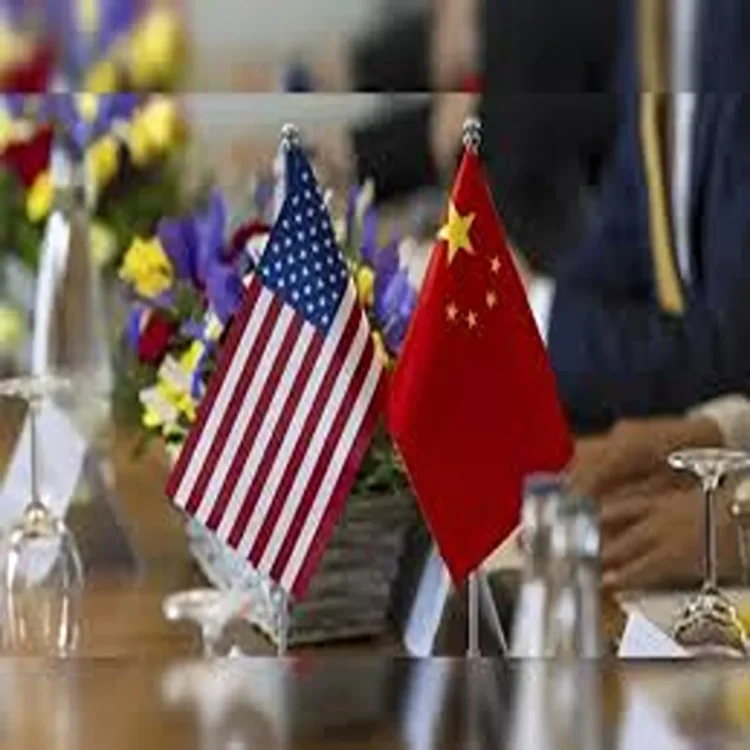
China Seen as Long-Term Strategic Concern
During his testimony, Rubio described China as the most significant long-term strategic competitor facing the United States. He argued that years of deep economic integration had left America exposed to critical vulnerabilities, particularly in sectors considered vital for national security and economic stability.
According to Rubio, conversations with foreign leaders now frequently include discussions about securing access to essential raw materials and reducing dependence on concentrated supply chains. He noted that critical minerals have become a recurring subject during nearly every major diplomatic engagement.
Focus Shifts to Critical Mineral Dependence
A key area of concern raised by the Secretary involved China’s strong position in global critical mineral production and processing. These materials are essential for industries ranging from electric vehicles and consumer electronics to artificial intelligence systems and advanced defense technologies.
Rubio said risks that were once viewed as hypothetical have begun to materialize. He pointed out that disruptions affecting access to important mineral resources have highlighted weaknesses in existing supply chains and underscored the need for alternative sources.
To address these challenges, the administration has been working with partner nations to diversify mining, refining, and processing capabilities. As part of that effort, Washington recently hosted an international ministerial meeting on rare earth resources involving representatives from more than 30 countries. A separate initiative focused on AI-related supply chains has also been launched with participation from 14 nations.
Pharmaceutical Supply Chains Under Scrutiny
Rubio also expressed concern over the concentration of pharmaceutical production. He told lawmakers that a large share of active ingredients used in medicines continues to come from a limited number of suppliers, creating potential risks during future geopolitical tensions or emergencies.
He emphasized that while some threats may not be immediate, policymakers should prepare for situations where dependence on a single source could create significant disruptions to healthcare systems and national preparedness.
Taiwan Commitment Remains Unchanged
Questions regarding US support for Taiwan formed another major part of the hearings. Rubio dismissed suggestions that Washington had reduced its commitment to Taipei and reaffirmed continued security cooperation.
He highlighted an arms package approved late last year, describing it as one of the largest defense agreements ever concluded with Taiwan. Rubio said China’s reaction following the announcement demonstrated Beijing’s dissatisfaction with the move.
The Secretary added that another substantial defense package remains under consideration as part of ongoing efforts to strengthen Taiwan’s security capabilities.
Concerns Extend Beyond East Asia
China’s activities in other regions were also discussed during the hearings. Speaking about Myanmar, Rubio said Beijing maintains significant influence over the country’s military leadership, making it difficult for other nations to expand their presence and engagement there.
He further raised concerns about alleged Chinese influence campaigns operating beyond China’s borders. According to Rubio, US officials continue to monitor activities aimed at shaping political discussions and public opinion in democratic societies.
The Secretary referenced reports involving overseas pressure tactics and efforts targeting Chinese citizens living abroad, issues that frequently arise in conversations with international partners.
Industrial Capacity and Global Competition
Rubio also highlighted China’s rapid growth in shipbuilding and industrial production. He argued that years of state-backed investment have helped Beijing establish a dominant manufacturing position while industrial capabilities in several Western countries have declined.
Rebuilding domestic production capacity, he said, is becoming an increasingly important part of America’s broader strategy to remain competitive in key sectors.
India’s Role Gains Greater Importance
The hearings also reflected Washington’s growing emphasis on partnerships across the Indo-Pacific region. India continues to play an increasingly important role in efforts involving advanced manufacturing, critical minerals, technology cooperation, and supply-chain diversification.
As the United States seeks to reduce strategic dependencies and strengthen alternative networks, New Delhi is emerging as a key economic and geopolitical partner in shaping the region’s future balance.