
Ceasefire – Opposition Questions Israel’s Strategy After Iran Truce Deal
Ceasefire – Israel’s domestic political debate intensified on Wednesday after opposition leader Yair Lapid launched a strong attack on Prime Minister Benjamin Netanyahu over the recently announced ceasefire with Iran. Lapid argued that the agreement exposed serious shortcomings in Israel’s political and strategic decision-making during the conflict.
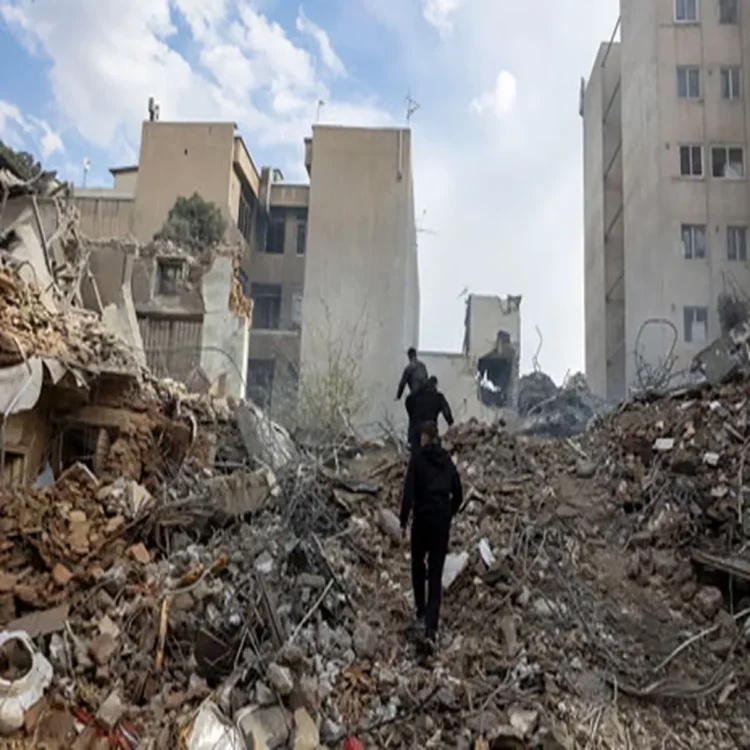
Opposition Raises Concerns Over Decision-Making
In a public statement shared on social media, Lapid described the ceasefire as a major setback, claiming Israel was sidelined during crucial discussions that directly affected its national security. According to him, the country had little influence over the final terms despite being at the center of the confrontation.
He stressed that while Israel’s military carried out its operations effectively and citizens showed resilience during a tense period, the political leadership failed to translate those efforts into meaningful outcomes. Lapid’s remarks reflected growing frustration within sections of Israel’s political establishment over how the situation was handled.
War Objectives and Strategic Gaps
The Israeli government had outlined several ambitious goals at the start of the conflict. Among the primary objectives was the dismantling or significant weakening of Iran’s nuclear capabilities, which Netanyahu has repeatedly described as a direct threat to Israel’s existence.
Additionally, the leadership aimed to reduce Iran’s ballistic missile strength, limit its regional influence, and potentially destabilize its ruling structure. However, critics argue that the ceasefire has not delivered clear progress on any of these fronts.
Lapid emphasized that the gap between declared goals and actual results highlights deeper issues in planning and execution. He warned that the consequences of these decisions could affect Israel’s long-term security posture.
Long-Term Political Impact
The opposition leader also pointed to what he described as lasting damage caused by the government’s approach. He suggested that repairing the political and strategic fallout could take years, citing what he sees as poor judgment and insufficient preparation at the highest levels of leadership.
His comments come at a time when public scrutiny of government decisions is increasing, especially in matters involving national security. Analysts note that such criticism could influence future political dynamics within the country.
Role of the United States in Ceasefire Agreement
The ceasefire was reportedly brokered through last-minute diplomatic efforts involving the United States. The agreement between Washington and Tehran aims to pause hostilities for a two-week period, preventing further escalation that could have led to widespread destruction.
US President Donald Trump played a key role in pushing for the halt in military action, with Israel expressing support for the decision to suspend strikes on Iran. However, the limited scope of the agreement has raised questions about its effectiveness and durability.
Continued Tensions Beyond the Agreement
Despite the ceasefire, Israel clarified that the arrangement does not extend to Lebanon, where tensions remain high. The Israeli military continues to face threats from Hezbollah, an Iran-backed group that has been involved in cross-border hostilities since launching rocket attacks earlier this year.
This ongoing conflict underscores the complexity of the situation, as multiple fronts remain active even while diplomatic efforts attempt to reduce direct confrontation between Israel and Iran.
Broader Regional Implications
The developments highlight the fragile balance in the Middle East, where political decisions, military actions, and international diplomacy are closely intertwined. While the ceasefire may offer temporary relief, its long-term impact will depend on how all parties navigate the coming weeks.
Observers suggest that the current pause could either open the door for broader negotiations or simply delay further conflict. Much will depend on whether underlying issues, particularly those related to security concerns and regional influence, are addressed in future discussions.