
Bilateral -nvestment Treaty Could Strengthen India-UK Investment Confidence
Bilateral –Investment climate for long-term growth and investor confidence – India and the United Kingdom are expected to deepen their economic partnership further as discussions on a Bilateral Investment Treaty continue, with both countries aiming to create a more secure environment for future cross-border investments.
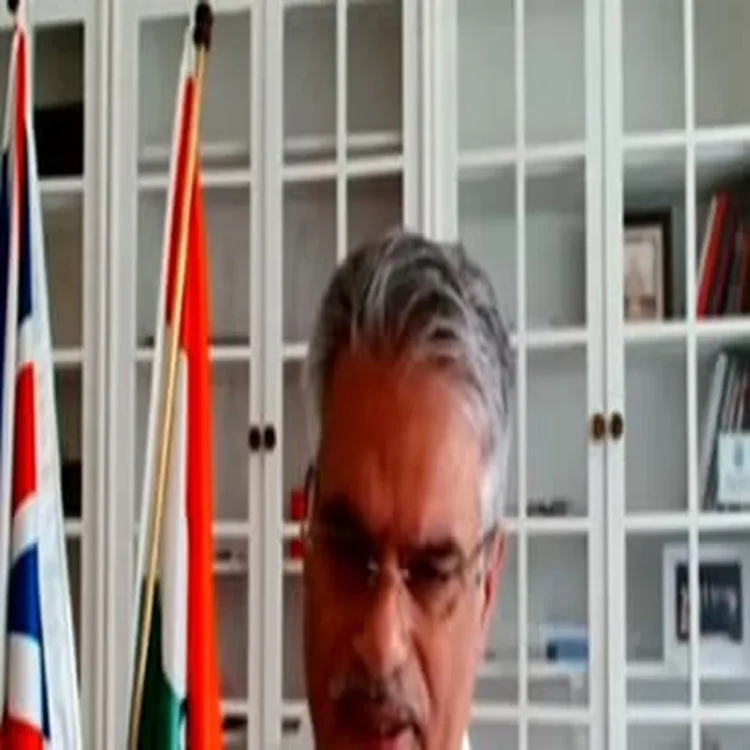
The implementation of the India-UK Comprehensive Economic and Trade Agreement (CETA) has marked a significant milestone in economic relations between the two countries. However, officials believe that an additional Bilateral Investment Treaty (BIT) could provide stronger legal safeguards for investors and encourage higher levels of foreign direct investment into India. According to Harjinder Kang, the United Kingdom’s Trade Commissioner for South Asia and the former Chief Negotiator for the India-UK Free Trade Agreement, such an agreement would further strengthen business confidence and support long-term investment decisions.
Investment Protection Seen as the Next Key Step
Speaking about the future of India-UK economic cooperation, Kang said that global businesses continue to view India as one of the most promising destinations for expansion. While companies are attracted by India’s growth prospects, investment decisions are also influenced by the level of protection and certainty available for long-term projects.
He explained that businesses typically assess opportunities by balancing expected returns with potential risks. A Bilateral Investment Treaty, he noted, could help reduce concerns by offering a clear legal framework to safeguard investments and resolve disputes if they arise.
Trade Agreement Opens New Opportunities
The recently enforced India-UK Comprehensive Economic and Trade Agreement has already created substantial opportunities for trade between the two nations. Under the agreement, more than 90 percent of Indian exports will receive zero-duty access to the UK market, while India has reduced import duties on several important British products.
Kang said both governments had initially hoped to finalize the investment treaty alongside the trade agreement. Although that objective could not be achieved within the same timeline, negotiations on the proposed BIT remain active, reflecting the shared commitment of both countries to strengthen their economic partnership.
British Businesses Continue to Show Interest
According to Kang, investment protection was one of the primary concerns raised by British companies before negotiations on the trade agreement began. Many businesses wanted greater confidence that their investments would receive fair treatment over the long term, especially when making large financial commitments.
He added that a formal investment treaty could reassure companies that remain cautious about entering new markets. With stronger legal protections in place, more businesses may be encouraged to expand operations and invest in India.
Growing Investment Links Between Both Nations
India has already become an attractive destination for several British firms across multiple sectors. Kang highlighted the example of a leading UK healthcare company that recently established a manufacturing facility in Madhya Pradesh after identifying strong long-term business potential in the Indian market.
Investment activity is also moving in the opposite direction. Around 1,000 Indian companies currently operate or have invested in the United Kingdom, making India the country’s second-largest source of investment projects after the United States over the past several years. This growing two-way investment relationship reflects increasing business confidence and expanding commercial ties between both economies.
Broader Partnership Beyond Trade
Kang emphasized that the newly implemented trade agreement should not be viewed as the final stage of India-UK cooperation. Instead, he described it as the foundation for a broader strategic partnership covering investment, technology, defence, education, innovation and climate-related initiatives.
He said a future Bilateral Investment Treaty could become an important pillar of this next phase by providing greater certainty for investors on both sides. Stronger legal protections and improved confidence are expected to support additional cross-border investments and contribute to sustained economic growth in both India and the United Kingdom.