
BangladeshPolitics – India Reaffirms Support at Dhaka Ceremony
BangladeshPolitics – India’s Foreign Secretary Vikram Misri met Bangladesh’s Leader of the Opposition and Jamaat-e-Islami chief Dr. Shafiqur Rahman during his visit to Dhaka, conveying New Delhi’s goodwill and reiterating continued support for Bangladesh’s development and stability.
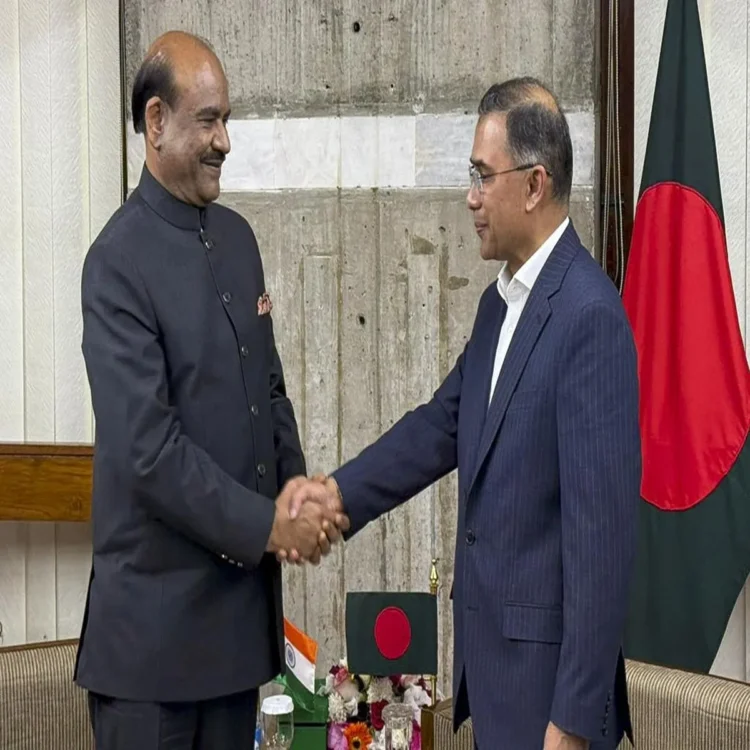
The interaction took place on Tuesday on the sidelines of the swearing-in ceremony of Bangladesh’s newly formed government. Misri attended the event as part of the official Indian delegation, which also included Lok Sabha Speaker Om Birla.
Diplomatic Engagement on Ceremony Sidelines
According to a statement shared by the Indian High Commission in Dhaka on social media platform X, the meeting was described as a courtesy call. The post noted that Misri extended congratulations to Dr. Rahman on assuming his new responsibilities as Leader of the Opposition in Bangladesh’s Parliament.
The Indian side emphasized that bilateral ties between New Delhi and Dhaka remain grounded in close people-to-people connections. Misri reaffirmed India’s longstanding commitment to supporting Bangladesh’s progress, underscoring the cooperative spirit that has shaped relations between the two neighboring countries over decades.
Opposition Leader Highlights Shared Heritage
Dr. Shafiqur Rahman, who also serves as Ameer of Bangladesh Jamaat-e-Islami, spoke about the deep historical and cultural links binding the two nations. He expressed optimism that diplomatic engagement would continue to strengthen in the coming years.
The High Commission’s statement indicated that both sides acknowledged the importance of mutual understanding and sustained dialogue. While no specific agreements were announced during the brief meeting, the exchange signaled a willingness to maintain open channels of communication.
In its recent election manifesto, Jamaat-e-Islami had pledged to promote peaceful and cooperative relations with neighboring countries, including India. The party emphasized principles such as mutual respect and fairness as the basis for regional engagement.
Election Results Reshape Political Landscape
Bangladesh’s 13th parliamentary election was held on February 12 across 299 constituencies, alongside a referendum on the July National Charter. The vote marked a significant shift in the country’s political landscape.
The Bangladesh Nationalist Party (BNP) secured a decisive victory, winning 209 seats in Parliament. Jamaat-e-Islami won 68 seats, making it the largest opposition force despite not forming the government.
Tarique Rahman, chairman of the BNP, took oath as Prime Minister on Tuesday, returning his party to power after nearly two decades. His swearing-in also marked a historic moment, as he became Bangladesh’s first male prime minister in 35 years.
India’s Continued Regional Focus
India’s representation at the ceremony, including the presence of Foreign Secretary Misri and Lok Sabha Speaker Om Birla, reflected New Delhi’s interest in maintaining steady diplomatic engagement with Dhaka regardless of domestic political shifts.
Over the years, India and Bangladesh have collaborated on issues ranging from trade and connectivity to security cooperation and cross-border development initiatives. Officials from both countries have often highlighted the importance of regional stability and shared economic growth.
Tuesday’s meeting between Misri and Dr. Rahman, though brief, was seen as part of this broader diplomatic framework. By engaging both the ruling leadership and the opposition, India signaled its intention to maintain constructive ties across Bangladesh’s political spectrum.
As Bangladesh’s new government begins its term, observers say continued dialogue between Dhaka and New Delhi will remain central to regional cooperation in South Asia.