
Energy – Iraq’s Oil Industry Slows Sharply as Regional Conflict Intensifies
Energy – Iraq’s southern energy sector, once a hub of constant activity, has fallen unusually quiet as ongoing conflict in the region disrupts daily operations. In Basra province, which accounts for the vast majority of the country’s oil production, the usual sounds of machinery and shipping have faded, replaced by uncertainty and reduced output. Nearly a month after fighting began in neighboring Iran, the impact on Iraq’s economy is becoming increasingly visible.
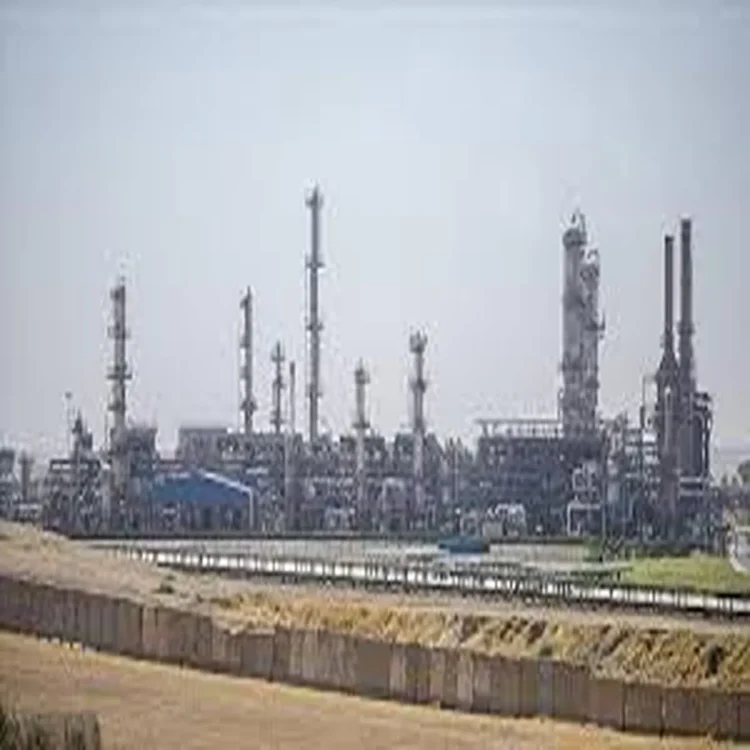
Oil Production Faces Steep Decline
The conflict has significantly reduced oil production across southern Iraq. Facilities that once operated at full capacity are now scaling back, with output dropping by more than 70 percent in some areas. The Zubair oil field, for instance, has seen production fall from approximately 400,000 barrels per day to nearly 250,000.
Officials say the situation is largely tied to disruptions in the Strait of Hormuz, a critical route for Iraq’s oil exports. With cargo movement effectively halted due to regional tensions, oil companies have been forced to limit operations and focus on meeting domestic demand instead of exporting crude.
Security Threats Disrupt Operations
Frequent drone and missile attacks have added to the challenges. Several energy installations and logistics hubs have been targeted, prompting foreign workers to leave the country. Employees from multiple international firms have withdrawn, particularly after strikes hit key facilities in early March.
At some oil fields, operations have been temporarily suspended due to safety concerns. Incidents involving drones have become increasingly common, raising fears among workers and slowing production further. Engineers on-site report a noticeable decline in activity, with many facilities operating well below normal levels.
Export Routes Under Pressure
Iraq’s heavy dependence on oil revenues has made the current situation especially difficult. Nearly 90 percent of the government’s budget relies on oil income, and with exports stalled, financial strain is mounting.
Efforts to find alternative export routes have faced significant obstacles. The country lacks sufficient infrastructure to increase shipments through northern pipelines, while transporting oil via neighboring countries is both costly and inefficient. Additionally, Iraq depends on foreign tanker fleets, and many shipping companies are unwilling to operate in high-risk zones.
Ports Experience Sharp Drop in Activity
At Umm Qasr, Iraq’s main deep-water port, activity has dropped noticeably. Previously crowded docks are now operating at reduced capacity, with cargo volumes cut by nearly half. Large vessels are unable to reach the port directly due to the closure of key maritime routes.
Instead, shipments are being rerouted through the United Arab Emirates, where goods are transferred to smaller ships or trucks before reaching Iraq. This process has increased costs and slowed delivery times, further straining supply chains.
Port officials note that only a handful of ships are arriving compared to normal levels, highlighting the scale of disruption.
Border Trade Also Affected
Trade at the Shalamcha border crossing with Iran has also been impacted. Electricity outages caused by nearby airstrikes have interrupted operations, leading to long queues of trucks and delayed shipments.
Before the conflict, the crossing was a busy route for both trade and travel, reflecting strong economic and social ties between the two countries. Now, movement has slowed considerably, with authorities prioritizing essential goods such as food supplies to prevent price increases.
Traders and travelers report growing concerns about safety, as attacks near the border have created an atmosphere of uncertainty.
Economic Outlook Remains Uncertain
Experts suggest that Iraq may be able to manage its finances for a limited period without new oil revenues. However, if the situation continues, the government may need to borrow funds or issue bonds to cover expenses.
The broader economic impact is expected to deepen if exports do not resume soon. With reduced production, limited trade, and rising logistical costs, Iraq faces mounting challenges as the regional conflict continues.