
Wastewater – India Eyes Global Leadership With Nature-Based Water Treatment Innovation
Wastewater – India has the opportunity to emerge as a global leader in sustainable wastewater management by embracing innovative technologies inspired by natural biological processes, according to an industry expert. Such solutions could significantly reduce energy use, improve water recycling, and help address the country’s growing environmental concerns linked to untreated sewage.
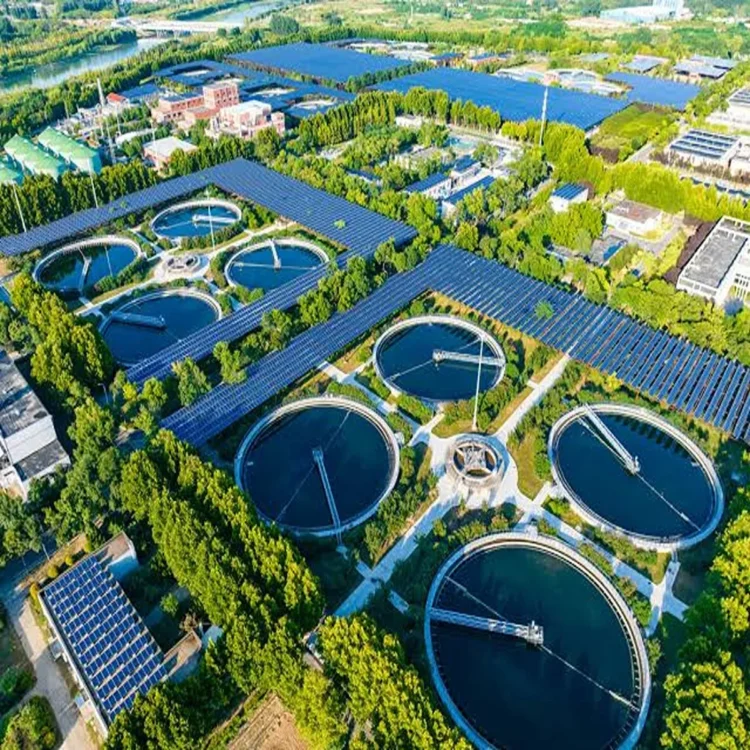
Untreated Sewage Remains a Major Environmental Concern
Speaking during the World Economic Forum’s Annual Meeting of the New Champions, widely known as Summer Davos, ECOSTP Technologies founder Anand Bharathan highlighted that India continues to face a serious wastewater challenge. He pointed out that nearly 80 percent of the country’s sewage is discharged without treatment, contributing to widespread pollution of rivers, lakes, and other natural water bodies. However, he believes this challenge also presents a significant opportunity for homegrown innovation to create both environmental and economic value.
Nature-Inspired Technology Offers an Alternative
ECOSTP Technologies has introduced a wastewater treatment system based on the principles of biomimicry, where engineering solutions are developed by studying natural processes. The company’s technology draws inspiration from the digestive system of a cow, replicating its biological functions to purify sewage without relying on electricity, chemicals, or heavy mechanical equipment.
According to Bharathan, conventional sewage treatment plants typically consume large amounts of electricity because they depend heavily on aeration systems. These facilities also involve higher operational and maintenance costs, making them difficult to sustain in many locations.
Gravity-Based Process Reduces Energy Demand
The company’s solution instead operates through gravity and naturally occurring microorganisms. Underground treatment chambers are designed to imitate the four sections of a cow’s stomach—the rumen, reticulum, omasum, and abomasum—allowing specially developed bacteria to break down waste efficiently. This process treats wastewater naturally while eliminating the need for moving machinery or continuous power supply.
Developed in partnership with IIT Jammu, the technology has been designed to convert sewage into reusable water with minimal human intervention. Bharathan said the company has already processed more than nine billion litres of wastewater through installations across different parts of India.
Expansion Beyond India
The startup currently serves customers in 24 Indian states and has expanded its operations beyond the country. Its wastewater treatment systems are now being used in Bangladesh and the Maldives, while the company is also entering African markets, including Mozambique and Kenya, to provide sustainable water management solutions.
The international expansion reflects growing interest in cost-effective and environmentally responsible technologies that can help countries improve sanitation infrastructure while conserving valuable water resources.
Sustainable Innovation Can Drive Future Growth
Bharathan said India’s wastewater issue should be viewed not only as an administrative challenge but also as a technological one. Existing treatment methods often require significant investment and ongoing energy consumption, limiting their effectiveness in many regions.
He believes nature-based engineering can offer practical alternatives suited to Indian conditions, helping communities increase water reuse, reduce pollution, and strengthen long-term environmental sustainability.
ECOSTP Technologies has received recognition under the Startup India initiative and has also been appreciated by Prime Minister Narendra Modi for its contribution to sustainable innovation. In addition, the company has been honoured with the Most Circular Economy Business Innovator Award for promoting environmentally responsible and circular economy practices.