
Sustainability – RGIPT Sets Benchmark in Turning Waste into Resources
Sustainability – The Rajiv Gandhi Institute of Petroleum Technology (RGIPT) is steadily emerging as a leading example of how institutions can turn waste management into a practical and scalable system. What was once seen as an environmental challenge has now become an opportunity, as the institute adopts a comprehensive approach to convert waste into energy, reusable materials, and valuable resources. This transformation has been guided by a strong vision to integrate sustainability into everyday campus operations.
Integrated Approach to Waste Management
At the heart of RGIPT’s efforts is a well-designed zero-waste ecosystem that focuses on connecting different waste streams rather than handling them separately. Wastewater generated across the campus is treated and reused for activities such as irrigation and aquaculture, reducing dependence on fresh water. At the same time, organic waste is processed through anaerobic digestion to produce biogas, which serves as a renewable energy source. Plastic waste is also repurposed into durable products, helping reduce landfill use and environmental pollution.
This interconnected system ensures that resources are continuously reused, creating a closed-loop model that minimizes waste and maximizes efficiency.
Use of Advanced Technologies
To strengthen its sustainability framework, RGIPT has incorporated modern technologies that go beyond traditional waste management practices. The use of biochar helps capture carbon and improve soil quality, while advanced membrane-based systems enhance water purification processes. These innovations not only improve operational efficiency but also contribute to addressing broader environmental concerns such as carbon emissions and resource conservation.
Circular Economy in Practice
The institute’s broader objective is to function as a living model of the circular economy. By integrating research with real-world applications, RGIPT demonstrates how waste can be consistently treated as a resource rather than discarded material. This approach bridges the gap between academic innovation and practical implementation, offering valuable insights for other institutions and urban systems.
Organic Waste to Energy and Agriculture
A key component of the system is the management of organic and food waste. Through anaerobic digestion, this waste is converted into biogas, which can be used as a clean energy source. The remaining byproduct, known as digestate, is further processed into compost and soil conditioners. These materials are then used in agriculture, improving soil fertility and supporting sustainable farming practices.
This cycle not only ensures efficient waste utilization but also reduces reliance on external fertilizers and promotes environmental balance.
Enhancing Biogas Efficiency
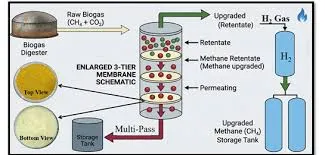
One of the challenges in using biogas is the presence of impurities that reduce its energy value. RGIPT has addressed this by developing a membrane-based purification system that removes carbon dioxide and other unwanted components. The addition of nanofluid technology improves the efficiency of this process, resulting in higher-quality biomethane with improved fuel performance.
Converting Mixed Waste into Fuel
The institute has also adopted hydrothermal liquefaction technology to tackle mixed and low-value waste. This process converts complex waste materials, including combinations of plastic and organic matter, into biocrude oil under controlled temperature and pressure conditions. The technology provides an effective solution for handling waste that is otherwise difficult to recycle, while also generating alternative energy sources.
Plastic Waste Repurposing
Plastic waste management is another area where RGIPT has made notable progress. Non-recyclable plastics are processed into practical products such as furniture and utility items. These products are durable and resistant to environmental conditions, offering a cost-effective solution for waste reuse while reducing environmental impact.
Sustainable Water Management
Water sustainability is achieved through a hybrid treatment system that combines biological methods with advanced materials. This system effectively removes pollutants and allows treated water to be reused for various non-drinking purposes. As a result, the campus significantly reduces its freshwater consumption while maintaining efficient water use.
Towards a Self-Sustaining Model
All these initiatives come together to form a unified system where energy, water, and materials are interconnected. Each process supports another, creating a self-sustaining ecosystem that minimizes waste and maximizes resource recovery. The institute continues to focus on improving efficiency and expanding these systems to achieve complete sustainability.
As RGIPT prepares to showcase its achievements on International Zero Waste Day, it highlights the potential of integrated waste management solutions. The model not only addresses environmental challenges but also offers a practical roadmap for institutions and communities aiming to build sustainable and resilient systems.