
OilPrices – Crude Oil Surges as US-Iran Tensions Raise Supply Concerns
OilPrices – Crude oil prices climbed sharply in international markets following escalating geopolitical tensions involving the United States and Iran, raising fears of a potential disruption in global oil supplies. The surge reflects growing concerns that a prolonged conflict in the West Asia region could affect key shipping routes and energy infrastructure vital to the global economy.
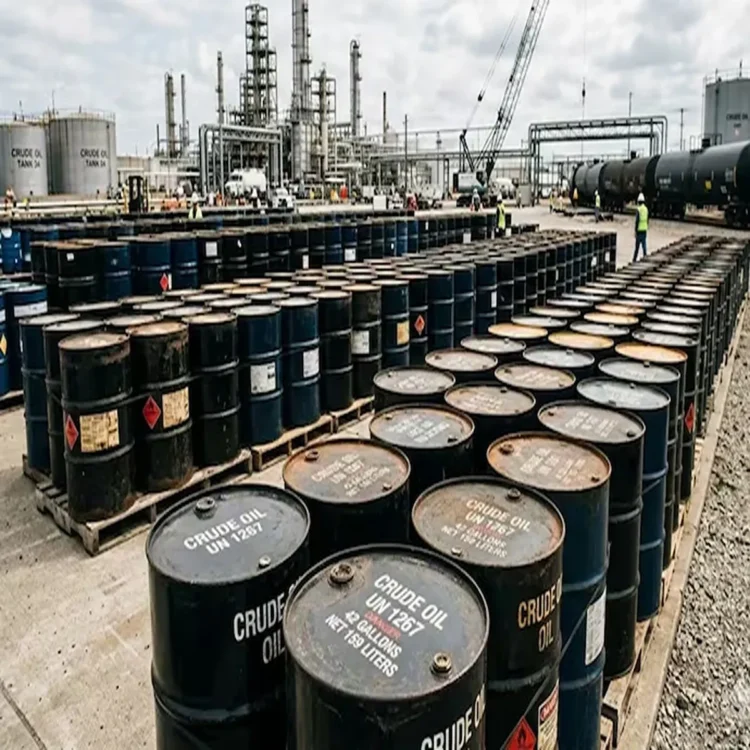
Sharp Rise in Crude Oil Futures
Crude Oil WTI futures jumped about 12.2 percent to reach approximately USD 90.90 per barrel at the time of reporting. Market data indicates that this marks the largest weekly increase in crude prices since April 2020, highlighting how quickly geopolitical developments can influence energy markets.
Analysts say the sudden jump in prices reflects uncertainty among traders and investors about the stability of oil supply chains in a region that plays a central role in global energy distribution.
Growing Concerns Over West Asia Conflict
The increase in oil prices came after statements from US President Donald Trump calling for what he described as “unconditional surrender” from Iran. The remarks intensified fears that tensions between the two countries could escalate further and extend into a wider regional conflict.
Experts warn that any prolonged confrontation could disrupt supply routes or impact oil production facilities across West Asia. Countries in the region account for a significant share of global oil exports, meaning even limited disruptions can quickly ripple through international markets.
Strait of Hormuz in Focus
Energy market specialists point to the Strait of Hormuz as one of the most sensitive areas in the current situation. The narrow waterway connects the Persian Gulf with global shipping lanes and is widely regarded as one of the most important oil transit routes in the world.
Apurva Sheth, Head of Market Perspectives and Research at SAMCO Securities, said the ongoing tensions are likely to keep oil prices elevated for the foreseeable future.
According to Sheth, the conflict has created uncertainty around the flow of oil through the Strait of Hormuz, where roughly 20 percent of the world’s crude oil shipments pass each day. Because of its strategic importance, any disruption in this route can have an immediate impact on global supply levels and prices.
Potential for Major Supply Disruption
Industry observers are also closely watching whether the conflict could escalate into one of the largest disruptions to oil supply in recent history. Jim Burkhard, Global Head of Crude Oil Research at S&P Global Energy, said the situation carries the potential to significantly affect energy markets if shipping activity in the region declines further.
Burkhard noted that energy infrastructure had initially not been targeted during the tensions. However, recent attacks on facilities in Saudi Arabia and Qatar have added a new layer of uncertainty to the situation. These developments, he said, could intensify the shock already being felt in oil and gas markets worldwide.
Decline in Oil Tanker Movement
Data from S&P Global Energy Commodities at Sea suggests a notable drop in tanker traffic through the Strait of Hormuz. On March 1, only five oil tankers were reported to have passed through the strait, compared with an average of about 60 tankers per day in recent periods.
Such a reduction in shipping activity could indicate growing caution among shipping operators and energy companies amid the rising tensions.
Implications for Global Energy Markets
If the situation continues to deteriorate, analysts believe the impact could extend beyond oil traders to economies heavily dependent on imported crude, including India and several Asian nations. Higher oil prices can influence fuel costs, transportation expenses, and inflation levels across many sectors.
For now, market participants are closely monitoring geopolitical developments and shipping activity in the region. Any further escalation or disruption to oil flows could trigger additional volatility in global energy prices in the coming weeks.