
Oil Prices – Crude Surges After Iran’s Military Action Raises Supply Fears
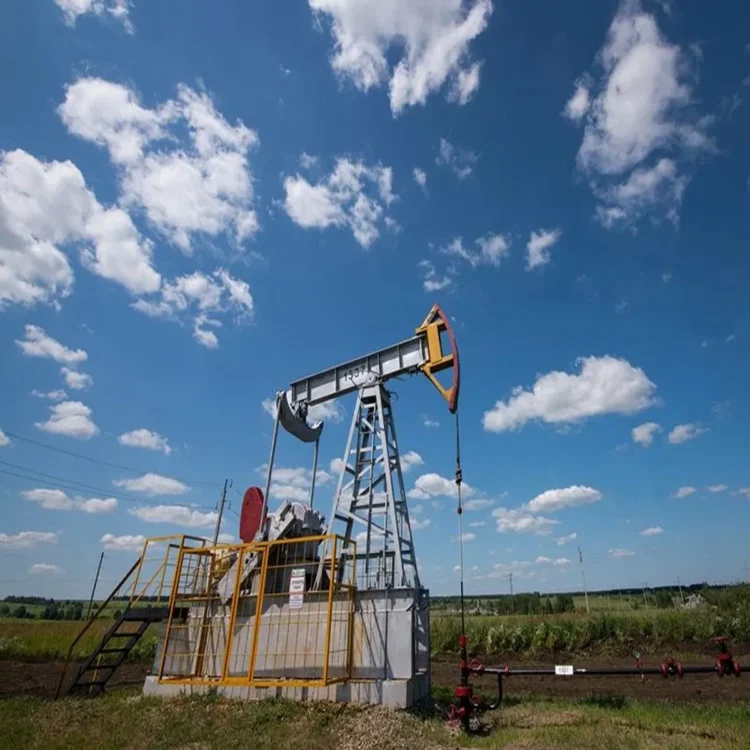
Oil Prices –Global oil markets opened the week with sharp gains after Iran launched attacks on several Gulf nations following recent US military strikes in Tehran, intensifying fears over the stability of energy supplies. Brent Crude climbed to USD 79.17, up USD 3.16 or 4.16 percent, while US crude advanced to USD 74.47, gaining USD 3.06 or 4.29 percent during early trading as investors reacted to the rapidly evolving security situation.
Strait of Hormuz Disruption Fuels Market Anxiety
The latest jump in crude prices came as military activity disrupted shipping through the Strait of Hormuz, one of the world’s most strategically important oil transit routes. Any interruption along this corridor immediately raises concerns over the movement of global energy supplies, prompting traders to factor in the possibility of prolonged supply disruptions. Analysts said the renewed tensions have added uncertainty to international commodity markets already coping with geopolitical risks.
OIC Condemns Attacks on Gulf Nations
The Organization of Islamic Cooperation (OIC) strongly criticized Iran’s reported attacks in a statement issued on Sunday. According to the organization, the strikes targeted Qatar, Oman, Kuwait, the United Arab Emirates, Bahrain, and Jordan. The OIC described the incidents as a serious violation of the sovereignty of the affected countries and said they contradicted the principles of mutual respect and good neighbourly relations.
The organization also voiced concern over continued attacks on commercial vessels and disruptions to international maritime trade. It stated that such actions are inconsistent with international law and breach the obligations outlined in both the United Nations Charter and the OIC Charter. The group warned that the escalation could further weaken efforts aimed at restoring peace and stability across the region.
Support for Affected Countries Reaffirmed
Reiterating its position, the OIC expressed full support for the countries impacted by the attacks and affirmed their right to take appropriate measures to safeguard their national security and territorial integrity. The organization stressed that protecting regional stability remains a shared priority and urged respect for internationally recognized legal principles.
The statement also emphasized that continued military escalation could have wider consequences beyond the immediate conflict, affecting global trade routes, economic stability, and diplomatic efforts to reduce tensions in the Gulf region.
Oman Lodges Formal Protest with Iran
Oman responded through diplomatic channels after reporting drone strikes in the Musandam and Al Wusta governorates. The country’s Foreign Ministry Undersecretary, Sheikh Khalid Almuslahi, summoned Iranian Ambassador Mousa Farhang to formally register Oman’s protest over the reported attacks.
During the meeting, Omani officials conveyed their serious concern regarding what they described as irresponsible actions. They urged Iran to respect the sovereignty of neighbouring countries, refrain from interference in their internal affairs, and uphold the principles that guide peaceful relations between regional states.
Regional Tensions Continue to Influence Global Markets
The latest developments have heightened uncertainty across the Middle East, with governments closely monitoring the security situation around the Strait of Hormuz. Financial markets remain sensitive to any disruption affecting oil exports from the Gulf, as the region plays a central role in global energy supplies. Investors are expected to keep a close watch on diplomatic initiatives and military developments that could influence crude prices and broader economic conditions in the coming days.