
Governance – Samrat Choudhary Takes Charge Amid Sharp Opposition Criticism
Governance – A significant political shift unfolded in Bihar on Wednesday as senior BJP leader Samrat Choudhary assumed office as the new Chief Minister. The development drew immediate reactions from across the political spectrum, with Leader of Opposition Tejashwi Yadav extending formal congratulations while simultaneously raising pointed questions about the ruling alliance’s long record in the state.
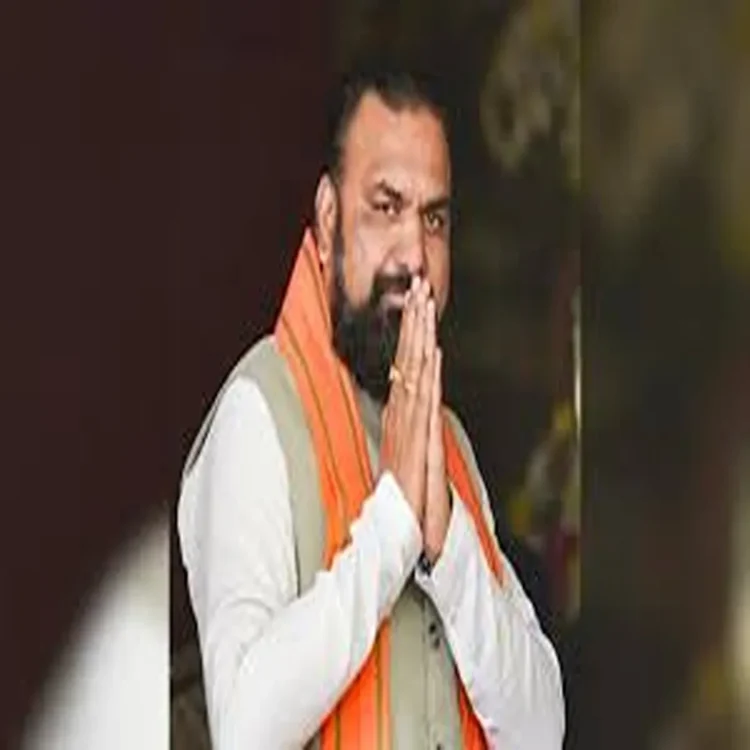
Opposition Congratulates but Questions Track Record
Soon after the swearing-in ceremony, Tejashwi Yadav took to social media to acknowledge Choudhary’s appointment. While offering his best wishes, he used the occasion to deliver a critical assessment of the National Democratic Alliance’s governance over the past two decades in Bihar.
Yadav remarked that the change in leadership symbolized a political shift but did not necessarily address the deeper concerns related to governance and development. He referred to the removal of Nitish Kumar from the chief minister’s position and described the transition in a manner that questioned the nature of leadership selection within the alliance.
Concerns Over Development Indicators
Highlighting key socio-economic issues, Yadav pointed to data from national policy assessments, noting that Bihar continues to face challenges across multiple sectors. These include education, healthcare services, law and order, employment generation, and poverty alleviation.
According to his remarks, despite over two decades of NDA governance, the state still trails behind in several development benchmarks. He emphasized that such indicators reflect deeper structural issues that require sustained policy attention and accountability.
Call for Responsible Leadership
Even while criticizing the government’s performance, Yadav expressed hope that the new administration would prioritize Bihar’s long-term interests. He urged the newly appointed Chief Minister to work towards strengthening development efforts, maintaining social harmony, and ensuring that the dignity of the state and its people remains intact.
He also stressed the importance of independent decision-making, suggesting that leadership should act in alignment with the aspirations of Bihar’s citizens rather than external influences.
NDA Leaders Express Confidence in New Leadership
On the other hand, leaders within the NDA welcomed the leadership change with optimism. Union Minister Chirag Paswan congratulated Samrat Choudhary and expressed confidence that the new Chief Minister would guide Bihar towards accelerated development.
Speaking in Patna, Paswan stated that the alliance would function collectively under Choudhary’s leadership to fulfill public expectations. He described the new leadership as youthful and energetic, suggesting that it could bring renewed focus and momentum to governance initiatives in the state.
Focus on Future Policy Directions
Paswan also touched upon broader legislative and policy matters, particularly the implementation of the Women’s Reservation Bill. He explained that its execution would depend on the completion of delimitation, which would lead to an increase in assembly seats and enable the allocation of reserved constituencies accordingly.
This, he indicated, would be an important step in ensuring greater political representation and participation for women in the state’s legislative framework.
A Defining Moment for Bihar Politics
The appointment of Samrat Choudhary marks a notable moment in Bihar’s political landscape, coming at a time when governance performance and development outcomes remain key issues for voters. While the ruling alliance has expressed confidence in its renewed leadership, the opposition continues to push for accountability and measurable progress.
As the new administration begins its tenure, expectations are high across the state. The coming months are likely to test how effectively the government addresses long-standing challenges while responding to both political criticism and public aspirations.