
Madrasas – Arshad Madani Accuses Critics of Fueling Communal Divisions Through Remarks
Madrasas –Jamiat Ulama-e-Hind National President Arshad Madani has strongly criticised recent remarks about madrasas, saying repeated allegations against Muslim educational institutions risk damaging social harmony and weakening the country’s constitutional principles.
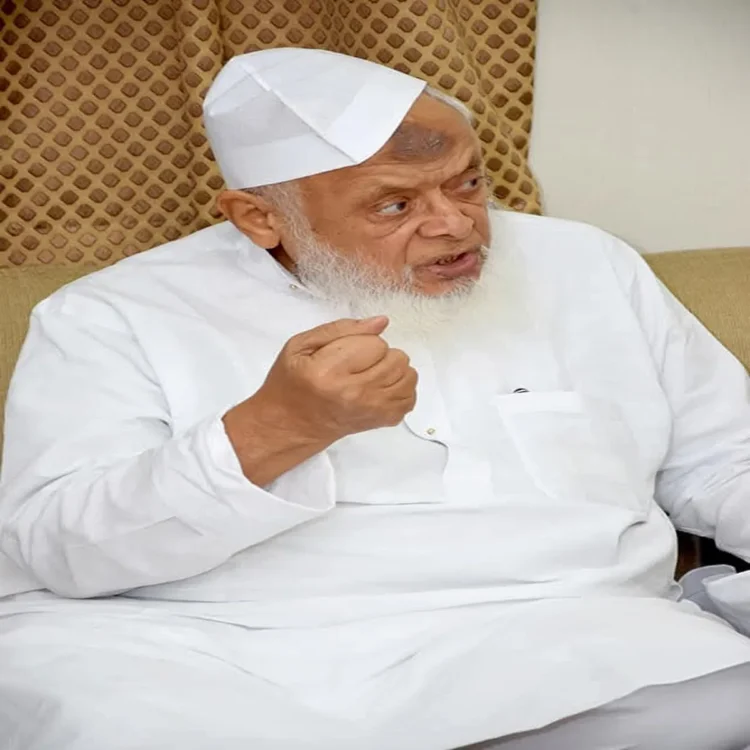
Madani Responds to Ongoing Madrasa Controversy
Jamiat Ulama-e-Hind National President Arshad Madani on Thursday alleged that Muslims and their educational institutions are increasingly being drawn into political debates for electoral purposes. He argued that repeated criticism directed at madrasas creates mistrust between communities and undermines the values enshrined in the Constitution.
His response comes amid an ongoing controversy sparked by comments made by Uttar Pradesh Deputy Chief Minister Keshav Prasad Maurya regarding madrasas. The political exchange has generated widespread discussion over religious education and public discourse surrounding such institutions.
Remarks That Triggered the Debate
The controversy began after Maurya stated that madrasas in India, Pakistan and Bangladesh allegedly function as places that unofficially encourage terrorism. He also claimed that students educated in these institutions do not demonstrate patriotism and instead develop what he described as a terrorist-like mindset.
Maurya made these remarks while expressing support for exiled Bangladeshi author Taslima Nasreen, who had called for a ban on madrasas and referred to them as “jihadi factories.” His comments quickly attracted criticism from several quarters and intensified the political debate.
Madani Rejects Allegations Against Madrasas
Responding through a post on social media platform X, Madani firmly rejected the allegations levelled against madrasas. He described the portrayal of these institutions as centres of terrorism as an example of communal prejudice and said such claims lacked factual and moral credibility.
According to Madani, institutions that have played a role in educating generations should not be subjected to sweeping accusations without evidence. He argued that branding madrasas in such a manner unfairly targets an entire community and contributes to negative public perceptions.
Historical Reference and Political Criticism
In his response, Madani also referred to India’s freedom movement, claiming it was contradictory for individuals linked to political traditions whose predecessors had sought clemency from British authorities to question the role of madrasas in the country’s history.
He maintained that such comparisons reflected a broader political narrative aimed at discrediting Muslim educational institutions rather than addressing genuine concerns through constructive dialogue.
Claims of Repeated Targeting for Electoral Purposes
Madani further alleged that Muslims and madrasas have repeatedly faced what he described as unfounded accusations during politically sensitive periods. He said issues ranging from the curriculum taught in madrasas to questions about patriotism have frequently been raised to create divisions within society.
According to him, repeatedly associating these institutions with terrorism without credible evidence encourages suspicion and hostility, while distracting attention from meaningful discussions on education and national development.
Appeal to Protect Social Harmony
Concluding his remarks, Madani warned that statements targeting religious communities could have long-term consequences for India’s social fabric. He said public figures should exercise responsibility while making comments on sensitive subjects and avoid rhetoric that could deepen communal tensions.
He stressed that preserving unity, mutual trust and respect for constitutional values should remain a priority, adding that divisive narratives have the potential to weaken the country’s democratic and secular foundations.