
Narcotics – Centre Proposes Drug-Free Campus Zones and Student Wellness Measures
Narcotics – The Union Government has outlined a new strategy to strengthen drug prevention efforts in higher educational institutions, proposing designated drug-free campus zones, awareness programmes, counselling support, and consent-based student screening as part of a broader wellness framework.
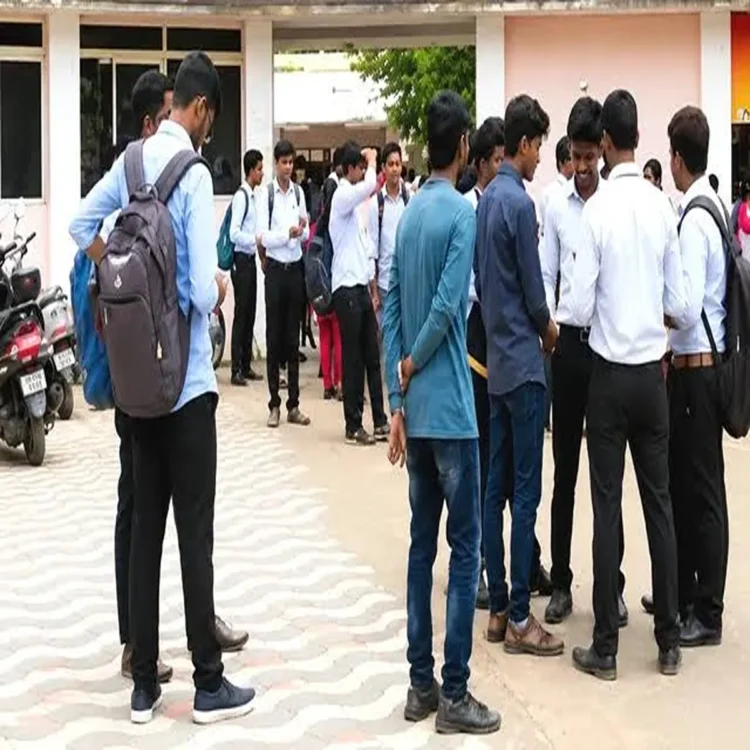
The Central Government has unveiled a comprehensive proposal aimed at curbing drug abuse in educational institutions by establishing Drug-Free Campuses that extend up to a 500-metre radius around colleges and universities. The proposal is included in the Vision Document on Narcotics Control (2026–2029), which outlines a three-year action plan for Centrally Funded Higher Educational Institutions. Along with preventive measures, the roadmap recommends introducing consent-based drug screening for students as part of campus wellness initiatives designed to promote healthier learning environments.
Three-Year Roadmap for Educational Institutions
Responding to questions in Parliament, Minister of State for Home Affairs Nityanand Rai said the proposed framework is intended to create safer campuses through a combination of education, awareness, counselling, and active participation from local communities. According to the minister, the initiative seeks to discourage substance abuse while encouraging students to access support services whenever required.
Rai informed the House that the Vision Document also recommends voluntary drug screening with student consent as a component of wellness programmes in centrally funded institutions. He noted that the proposal is intended to strengthen preventive efforts rather than rely solely on enforcement, placing greater emphasis on early intervention and student well-being.
Focus on Prevention and Community Participation
The minister explained that the roadmap follows a structured timeline over three years and encourages educational institutions to adopt preventive education programmes alongside regular awareness campaigns. Counselling services and community involvement have also been identified as key elements in building an environment where students can remain free from substance abuse and receive timely guidance when necessary.
The proposed measures aim to involve educators, families, local communities, and institutions in creating a coordinated response to the issue. Officials believe such collaboration can help reduce the risks associated with narcotics while fostering healthier academic spaces across campuses.
Prime Minister Highlights Role of Young Citizens
The proposal follows Prime Minister Narendra Modi’s recent remarks during the launch of the ‘Nasha Mukt Yuva for Viksit Bharat Sankalp Abhiyan’ on August 2. Addressing more than one crore young participants connected through videoconferencing from over 28,000 locations, the Prime Minister described India’s youth as the country’s “Amritpidhi” and said they would play a decisive role in achieving the vision of a developed India by 2047.
He emphasised that the country’s future depends on the energy, creativity, and abilities of its younger generation. According to the Prime Minister, avoiding addiction and substance abuse is essential not only for individual well-being but also for national development.
Vision for a Healthy Future
The Prime Minister also said the campaign extends beyond personal choices, describing it as an effort that benefits families, communities, and the nation as a whole. He stressed that the goal of building a developed India requires a generation that is physically fit, mentally resilient, self-confident, and free from harmful addictions.
The proposed measures under the Vision Document are expected to support this broader objective by encouraging educational institutions to adopt preventive strategies while promoting awareness and student welfare through structured programmes over the coming years.