
Monsoon Gardening – Smart Plant Choices for Healthy Growth During the Rainy Season
Monsoon Gardening – The monsoon season offers ideal conditions for healthy plant growth, but selecting the right varieties and ensuring proper care can make all the difference.
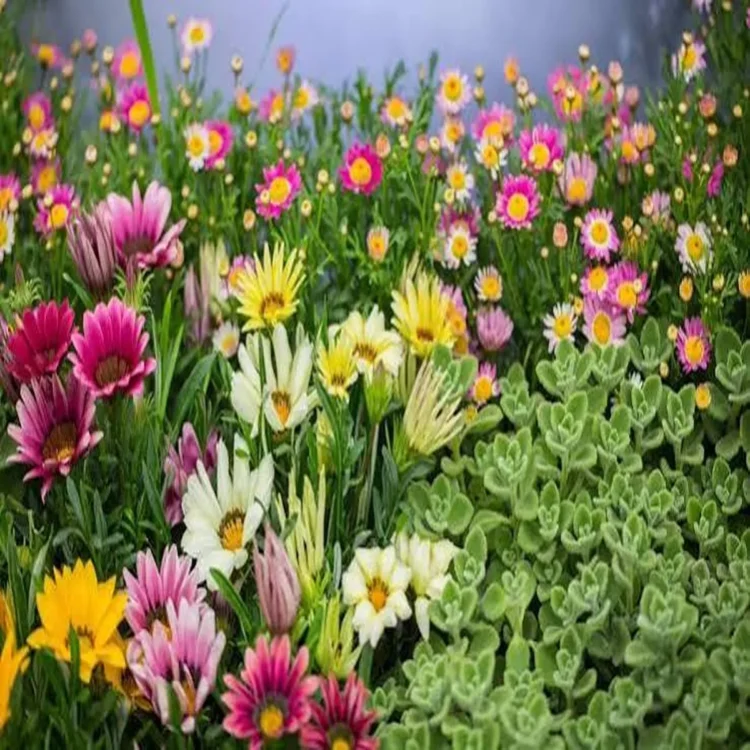
The arrival of the rainy season brings renewed energy to gardens, balconies, and indoor green spaces. Increased humidity and regular rainfall create an environment where many plants develop fresh leaves and stronger roots. However, gardening success during the monsoon depends largely on local weather conditions, available sunlight, and proper soil preparation. Understanding these factors helps gardeners choose plants that are naturally suited to their surroundings rather than relying on a one-size-fits-all approach.
Drainage Remains the Most Important Factor
Before adding new plants, gardeners should focus on creating well-drained soil. Excess rainwater trapped around the roots can lead to fungal diseases and root decay, preventing healthy growth. Mixing garden soil with sand, cocopeat, and organic compost improves water movement while maintaining enough moisture for plant development. This approach is especially useful in areas where heavy or clay-rich soil tends to retain water after frequent showers.
Best Plants for Shaded and Rainy Locations
Homes and balconies that receive little or no direct sunlight during the monsoon can still support a wide range of attractive plants. Continuous cloud cover and high humidity provide ideal conditions for species that naturally grow beneath forest canopies.
Climbing plants such as Money Plant, Philodendron, and other tropical creepers respond particularly well during this period, producing rapid new shoots. Flowering climbers including Madhumalti, Thunbergia, and Cat’s Claw can also establish themselves effectively when planted during the rainy months.
Large-leaf tropical plants are another excellent choice for shaded environments. Monstera varieties thrive in humid conditions when placed in bright but indirect light. Other dependable options include Xanadu, Areca Palm, and Parlour Palm, all of which adapt comfortably to indoor spaces and covered balconies throughout the rainy season.
Ideal Choices for Areas with Moderate Sunlight
Regions that continue receiving three to four hours of sunlight despite seasonal rainfall provide favourable conditions for a broader selection of plants. These locations allow gardeners to combine decorative foliage with outdoor landscape species.
Ferns perform exceptionally well during this time, producing lush green foliage that enhances both indoor and outdoor spaces. Boston Fern, Sword Fern, and Maidenhair Fern are among the most popular choices because they remain vibrant throughout the monsoon months with regular moisture and indirect sunlight.
Palms and Ficus Benefit from Seasonal Moisture
The rainy season also provides an excellent opportunity to establish ornamental palms. The combination of moist soil and moderate temperatures encourages deeper root development before the arrival of drier weather. Areca Palm is widely appreciated for residential gardens, while Foxtail Palm and Date Palm add structure and height to terraces, lawns, and larger landscapes.
Ficus varieties are equally well suited to gardens receiving adequate sunlight. Species such as Ficus benjamina and Ficus microcarpa grow quickly during the monsoon and naturally develop dense foliage. Their rapid growth makes them a preferred option for creating privacy screens and decorative hedges in residential and commercial landscapes.
Simple Maintenance Supports Better Growth
Garden experts recommend allowing plants to grow naturally during periods of continuous rainfall instead of carrying out heavy pruning. Fresh rainwater contains naturally available nutrients that support healthy foliage, while uninterrupted growth enables plants to build stronger stems and roots. Once the rainy season ends, gardeners can carry out structural pruning to improve plant shape, encourage balanced growth, and prepare gardens for the following season.
By matching plant selection with local sunlight conditions and maintaining proper drainage, gardeners can make the most of the monsoon season. With thoughtful planning and routine care, both indoor and outdoor spaces can remain healthy, vibrant, and visually appealing throughout the months of regular rainfall.