
Parliament – Centre Highlights Women’s Safety, Insolvency Progress and Banking Law Reform
Parliament –The Centre on Monday presented key updates in the Lok Sabha covering women’s safety in higher educational institutions, the implementation of the Insolvency and Bankruptcy Code (IBC), and proposed reforms to modernise banking-related legal provisions.
The Union government informed Parliament that measures are in place to promote a safer environment for women students across higher educational institutions (HEIs). Responding to a written question from MP Giridhari Yadav, Minister of State for Education Sukanta Majumdar said that all higher educational institutions are required to follow the University Grants Commission (UGC) Regulations, 2015, which make it mandatory to establish an Internal Complaints Committee (ICC). These committees are responsible for examining complaints related to sexual harassment and ensuring that such cases are resolved within the prescribed time frame.
Mandatory complaint panels for educational institutions
The minister stated that the regulations are designed to strengthen institutional mechanisms for addressing complaints while ensuring a secure academic atmosphere for women students. Every recognised higher educational institution must maintain an Internal Complaints Committee that functions according to the procedures laid down by the UGC, enabling timely investigation and disposal of complaints.
Government shares latest Insolvency and Bankruptcy Code figures
In a separate reply in the Lok Sabha, Minister of State for Corporate Affairs Harsh Malhotra presented the latest data on cases handled under the Insolvency and Bankruptcy Code (IBC). According to the government, 4,557 cases have been admitted under the insolvency framework over the past five years.
The minister said that resolution plans have been approved in 1,077 of these admitted cases. He further informed the House that, by the end of March 2026, a total of 1,419 Corporate Insolvency Resolution Processes (CIRPs) had successfully resulted in resolution plans. Excluding the period that was officially omitted by the Adjudicating Authority (AA), these proceedings took an average of 621 days to reach completion.
The government shared the figures while responding to questions regarding the functioning and efficiency of the country’s insolvency resolution mechanism.
Bill introduced to modernise banking evidence law
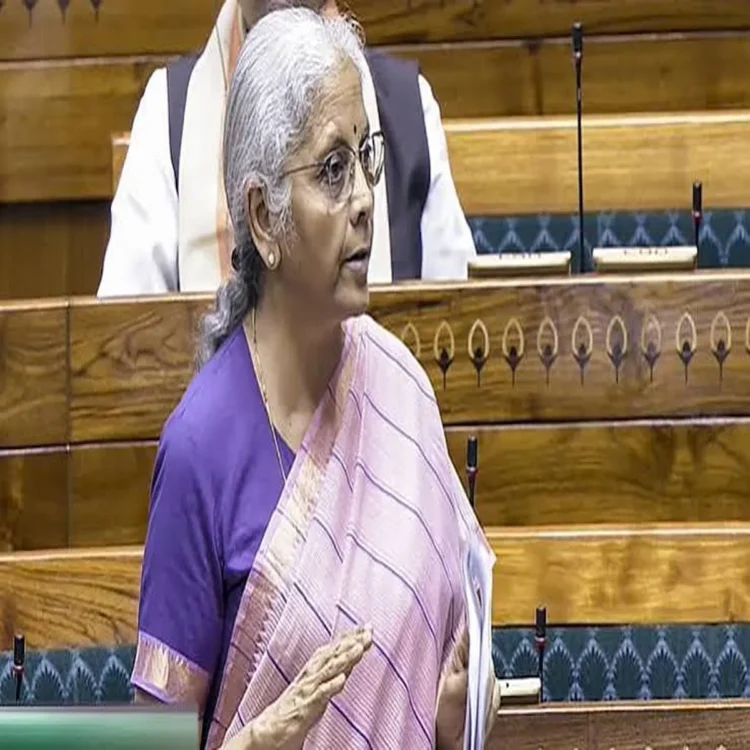
Finance Minister Nirmala Sitharaman also introduced a new Bill in the Lok Sabha aimed at replacing a colonial-era banking law with legislation better suited to the digital age.
The proposed legislation, titled the Bankers’ Books Evidence Act, 2026, seeks to replace the Bankers’ Books Evidence Act of 1891. The objective is to recognise digital and virtual banking records as admissible evidence in courts, reflecting the growing reliance of the financial sector on electronic record-keeping and digital transactions.
The proposed law is intended to align the legal framework with the technological transformation of India’s banking system. By expanding the scope of admissible records beyond traditional physical documents, the legislation aims to ensure that judicial processes remain compatible with modern banking practices.
The introduction of the Bill marks another step in the government’s broader effort to update laws that were framed during the colonial period and adapt them to present-day digital and financial requirements. If enacted, the legislation will provide a revised legal basis for the use of electronic banking records in judicial proceedings.