
Iran Executions – Two Men Convicted of Spying for Israel Put to Death
Iran Executions – Iran has carried out the execution of two men convicted of spying for Israel, marking another development in the country’s continuing crackdown on alleged intelligence activities linked to foreign agencies. The executions were announced by Iran’s judiciary on Monday, as authorities continue to pursue individuals accused of threatening national security during a period of heightened regional tensions.
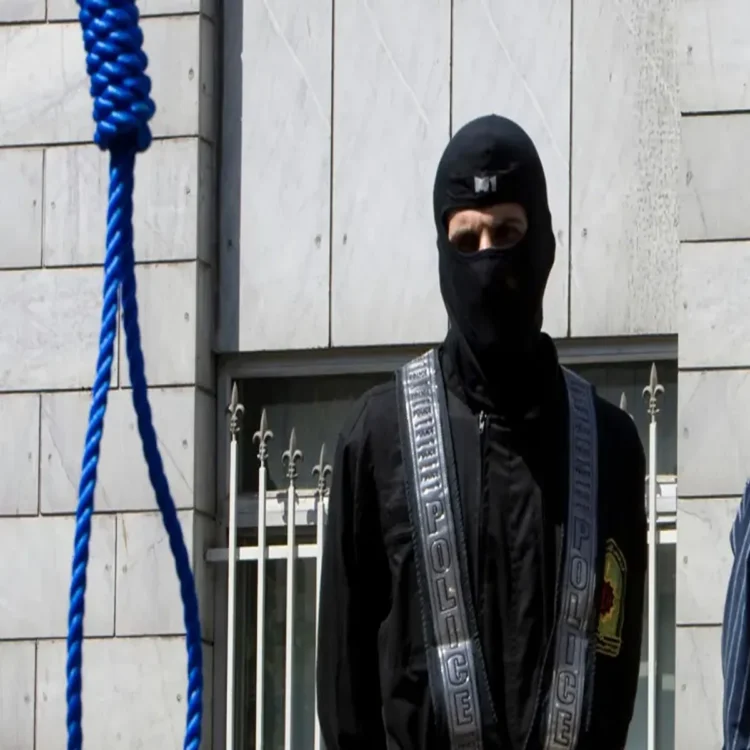
Judiciary Announces Executions
According to Iran’s judiciary, Omid Behzad and Pouria Safvat were executed after being found guilty of passing information about sensitive military and security facilities to Israel’s intelligence agency, Mossad. The announcement was made through Mizan, the judiciary’s official media outlet, which said the pair had transmitted the locations of strategic sites to Israeli intelligence operatives.
Officials stated that the men were convicted on charges of espionage and cooperating with what Iran describes as the “Zionist regime.” However, the judiciary did not disclose when they were detained, how long legal proceedings lasted, or provide additional details about the evidence presented during the trial.
Allegations Linked to Wartime Intelligence
Iranian authorities claimed the two men supplied information that assisted foreign intelligence services in gathering details about military and security infrastructure during the conflict. According to the judiciary, the information allegedly helped Israeli intelligence pursue its objectives while regional hostilities were ongoing.
The executions come as Iran continues to tighten security measures and intensify legal action against individuals accused of collaborating with foreign governments. Officials have repeatedly maintained that protecting national security remains a top priority following months of conflict and instability.
Increase in Executions During Conflict
The latest executions are part of a broader rise in capital punishment cases reported since the conflict involving Iran, Israel, and the United States intensified earlier this year. The war began on February 28 with large-scale military strikes involving the United States and Israel, an offensive that Iranian authorities say resulted in the death of the country’s supreme leader.
Since then, Tehran has announced multiple arrests and convictions in cases involving alleged espionage, with several defendants accused of maintaining links to Israeli intelligence networks. Iranian officials argue that such actions are necessary to prevent further threats to the country’s security and defense infrastructure.
Human Rights Groups Express Concern
International human rights organizations have continued to raise concerns about the growing number of executions in Iran. Rights advocates say the country remains among the world’s leading users of capital punishment, second only to China in the number of executions carried out each year.
According to figures released by the Norway-based organization Iran Human Rights and the Paris-headquartered Together Against the Death Penalty (ECPM), at least 1,639 executions were recorded in Iran last year. The groups described the figure as the highest annual total reported in the country since 1989.
Amnesty International Criticizes Recent Trend
Amnesty International recently voiced concern over what it described as a sharp increase in executions. The organization issued its statement after Iranian authorities announced the execution of two other men who had been convicted over their alleged involvement in anti-government protests held during the winter months.
Human rights organizations have repeatedly urged Iran to halt executions and ensure greater transparency in judicial proceedings, while Iranian officials continue to defend the country’s legal process and maintain that national security cases are handled under domestic law.
As international scrutiny continues, the latest executions are expected to draw renewed attention to Iran’s use of capital punishment and its response to allegations of espionage during a period of ongoing regional conflict.