
Gig Economy – Monsoon Rains Boost Delivery Earnings Despite Rising Road Risks
Gig Economy – The arrival of steady monsoon showers in Delhi has brought a sharp increase in demand for online food, grocery and medicine deliveries, creating more earning opportunities for thousands of delivery partners. As residents prefer staying indoors during heavy rain, orders placed through quick commerce and food delivery platforms have risen significantly. For riders, however, the financial gains come with the daily challenge of navigating flooded streets, traffic congestion and unpredictable weather.
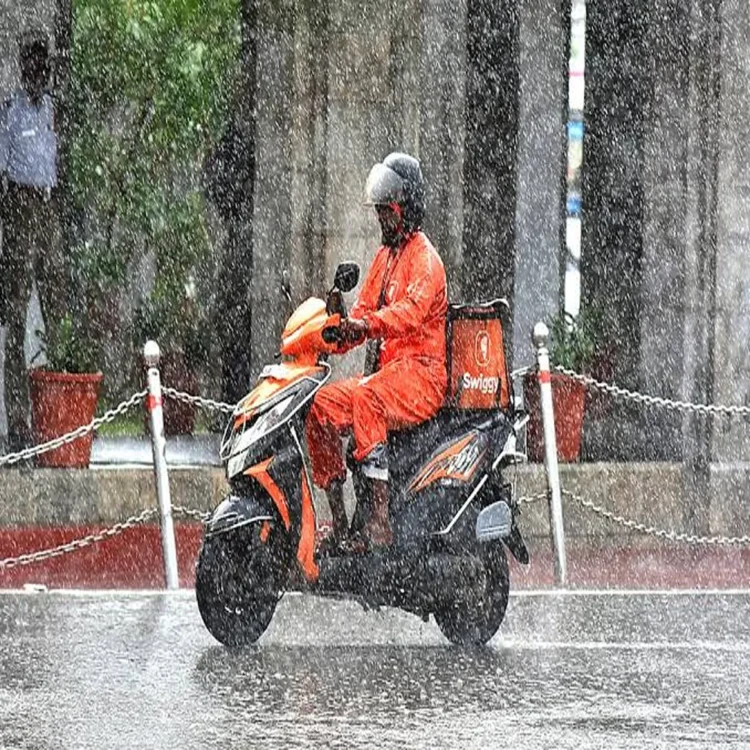
Rainfall Brings More Orders and Better Incentives
Many delivery executives say the rainy season has become one of the busiest periods of the year. Higher customer demand often prompts delivery platforms to introduce temporary surge incentives, allowing riders to earn additional income for every completed order. Depending on weather conditions and order volume, these extra payments can vary, encouraging workers to stay online for longer hours during downpours.
Rahul Kumar, who recently joined the delivery sector after losing his previous job, said rain has consistently increased both the number of deliveries and incentive payments. While riding through waterlogged roads is physically demanding, he believes the additional earnings help balance the extra effort. According to him, many riders intentionally extend their shifts whenever heavy rain leads to higher payouts.
Flexible Work Continues to Attract Workers
Apart from financial incentives, flexible working hours remain one of the strongest attractions of gig employment. Unlike traditional office jobs with fixed schedules, delivery partners can decide when to begin work, how long to stay active and when to take breaks.
Several riders say this flexibility has allowed them to manage personal responsibilities alongside work. Some shifted from small businesses or conventional jobs because gig work offered greater control over their daily routine. For workers who prefer evening or late-night shifts, the ability to log in whenever demand increases has become a major advantage.
Delivery executives also point out that weekends, festivals and public holidays generate strong order volumes, often leading to higher incentive payments similar to those offered during periods of heavy rainfall.
Higher Earnings Come With Additional Responsibilities
Despite attractive payouts, delivery partners remain responsible for maintaining their own vehicles. While many companies provide raincoats, branded clothing and waterproof delivery bags to protect both riders and customer orders, expenses related to motorcycles, fuel, servicing and repairs are usually borne by the workers themselves.
During the monsoon season, frequent exposure to waterlogged roads increases the likelihood of punctures, engine trouble and mechanical damage. Riders say these repair costs can reduce a portion of their additional earnings. Even so, many continue working because the increased order volume allows them to complete dozens of deliveries in a single day.
Changing Careers in Search of Stable Income
The expanding gig economy has also become an important source of employment for people leaving low-paying jobs or struggling family businesses. Some workers previously held positions in call centres, while others operated small retail businesses before switching to delivery services.
Many believe the opportunity to earn according to the number of completed deliveries offers greater financial stability than fixed monthly salaries. Several riders avoid taking leave on Sundays and during festive periods because those days usually generate the highest demand and the best incentives.
Monsoon Challenges Test Every Delivery Partner
Although earnings improve during rainy weather, the job becomes considerably more difficult. Heavy traffic, flooded roads and delayed travel frequently affect delivery timelines. Riders also face constant communication from customers seeking updates on their orders.
Some delivery partners recall situations where motorcycles became trapped in waterlogged streets, resulting in cancelled deliveries, repair bills and temporary income losses. These incidents highlight the practical risks workers face while attempting to meet delivery expectations during adverse weather.
Calls for Better Protection Beyond Incentives
Industry representatives note that technology now allows delivery platforms to detect rainfall and automatically activate surge pricing in affected areas. This system helps ensure that enough delivery partners remain available when customer demand rises sharply.
However, labour representatives argue that financial incentives alone cannot address the broader challenges faced by riders. They say workers continue to bear the costs of vehicle damage, accident-related expenses, health concerns and lost income following weather-related disruptions. Union members have urged platforms to introduce stronger safety measures, quicker accident support and weather-related risk allowances to better protect delivery personnel.
As Delhi continues to experience active monsoon conditions, demand for doorstep delivery services is expected to remain strong. While customers enjoy the convenience of receiving essentials without leaving home, delivery partners continue balancing higher earnings against the physical risks and financial responsibilities that come with working through difficult weather.