
PilotTraining – AAI Expands Flying Training Network to Meet India’s Aviation Growth
PilotTraining – India is preparing for a significant expansion in pilot training capacity as the Airports Authority of India (AAI) moves forward with new Flying Training Organisation projects aimed at supporting the country’s fast-growing civil aviation sector.
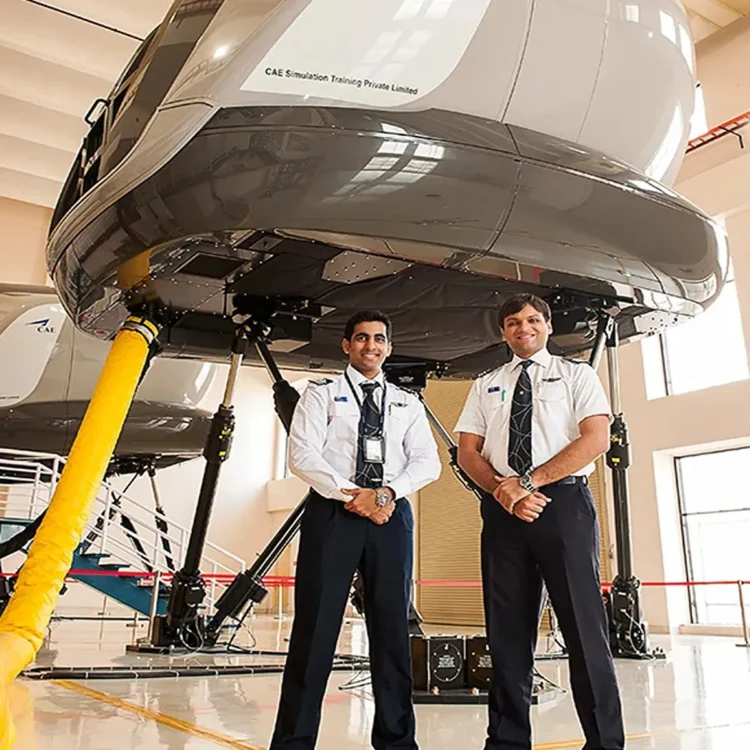
India has taken another major step toward strengthening its aviation training ecosystem with the successful completion of the tender process for 11 new Flying Training Organisation (FTO) slots across seven Airports Authority of India-operated airports. The latest round of e-tenders, launched in February 2026, is intended to increase domestic pilot training opportunities and reduce the industry’s dependence on overseas flying schools.
Tender Process Completed Successfully
According to official AAI documents, the bidding process concluded successfully for all identified locations. Technical bids were opened on April 30, 2026, followed by the opening of financial bids on May 22, 2026. With the completion of both stages, the selected projects are expected to move toward implementation in the coming months.
The initiative forms part of a broader strategy to build a stronger aviation workforce capable of supporting the country’s rapidly expanding airline industry and airport infrastructure.
Growing Demand for Qualified Pilots
The Ministry of Civil Aviation estimates that India will require between 30,000 and 31,800 additional pilots over the next decade. This demand is being driven by continued fleet expansion, with Indian airlines expected to induct around 500 additional aircraft during the next five years. At the same time, the national airport network is also projected to expand with nearly 50 new airports.
As aviation activity continues to grow, increasing the availability of domestic flight training has become a key priority for ensuring a steady pipeline of skilled aviation professionals.
Existing Training Capacity Faces Pressure
As of April 2026, India has 41 Directorate General of Civil Aviation (DGCA)-approved Flying Training Organisations operating from 63 flying bases. While these institutions have contributed to the steady rise in pilot training, official assessments indicate that current capacity alone will not be sufficient to meet future industry requirements.
AAI has previously taken several steps to encourage investment in aviation training. In 2021, nine FTO slots were allotted across five airports, followed by six additional slots at another five airports in 2022. The AAI Board also approved land allotment at 20 airports on a 25-year card-rate basis to support the establishment of new training centres.
New Facilities Expected to Boost Training Output
The newly approved Flying Training Organisations are expected to introduce between 60 and 70 training aircraft during their initial phase of operations. Once fully developed, the combined fleet is projected to grow to around 110 to 120 aircraft, supported by modern flight simulators and advanced training equipment.
These centres are expected to provide annual training for approximately 400 to 500 aviation professionals during the initial stage, including cadet pilots and technical trainees. After reaching full operational capacity, the institutions could collectively produce nearly 1,500 trained professionals every year, including around 700 to 750 cadets and trainees.
Strengthening India’s Aviation Ecosystem
Industry officials believe that expanding domestic pilot training infrastructure will help reduce the need for aspiring pilots to pursue expensive training abroad. It is also expected to keep a larger share of aviation education spending within the country while improving the utilisation of regional airports, many of which offer suitable conditions for beginner flight training.
The expansion comes at a time when pilot licensing numbers are already showing steady growth. Commercial Pilot Licence (CPL) issuances increased from 640 in 2018 to 1,628 in 2024. During a recent year, the DGCA also issued 615 CPLs to cadets trained overseas, alongside 2,309 Student Pilot Licences, highlighting rising interest in aviation careers.
With additional Flying Training Organisations becoming operational at regional airports, aspiring pilots are expected to gain greater access to affordable training options, supporting India’s long-term aviation growth while making more productive use of existing airport infrastructure.