
SewageTreatment – Delhi Plans Major STP Expansion to Double Wastewater Capacity by 2028
SewageTreatment –Delhi is preparing for a significant overhaul of its sewage treatment network, with the Delhi Jal Board (DJB) aiming to establish dozens of new treatment facilities and modernise existing ones by early 2028. The proposed initiative is expected to substantially increase the city’s ability to process wastewater, supporting cleaner waterways and improved urban sanitation.
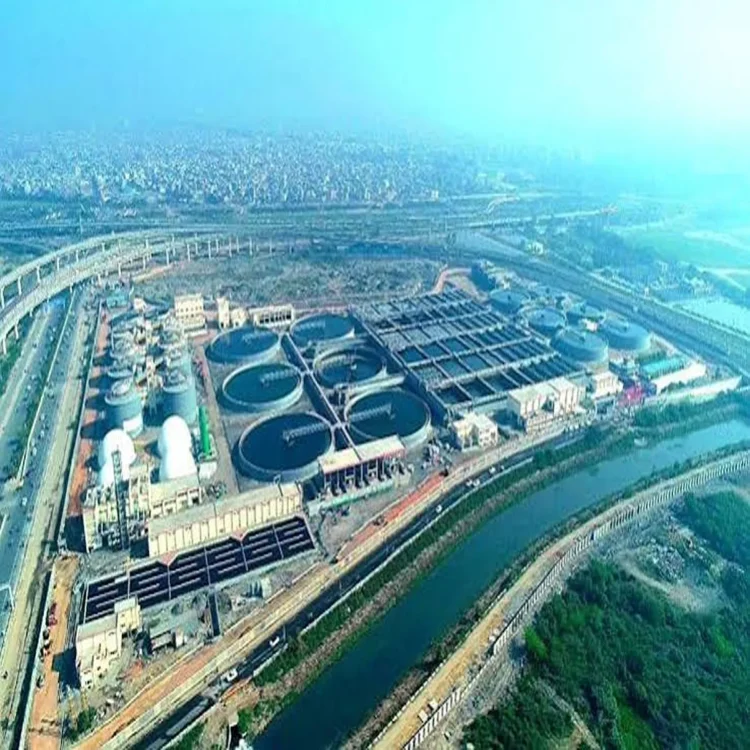
Delhi is set to witness one of its biggest investments in wastewater management as the Delhi Jal Board moves ahead with an ambitious plan to strengthen the capital’s sewage treatment infrastructure. According to official sources, the project includes the construction of more than 50 new and upgraded sewage treatment plants (STPs), with completion targeted between December 2027 and January 2028.
Capacity Planned to Rise Significantly
Once the proposed projects are completed, Delhi’s sewage treatment capacity is expected to increase from the current 814 million gallons per day (MGD) to nearly 1,506 MGD. Officials believe the expansion will help address the city’s growing wastewater generation while improving environmental management across several regions.
The overall plan combines new decentralised treatment facilities, additional plants at key drain outfalls and catchment zones, and upgrades to several existing treatment units. Authorities expect this multi-pronged approach to improve sewage collection and treatment efficiency across the National Capital.
Decentralised Plants to Strengthen Outer Delhi
A major share of the expansion focuses on developing 29 decentralised sewage treatment plants in Delhi’s outer areas. These facilities are expected to contribute around 170 MGD of additional treatment capacity and are estimated to involve an investment of approximately ₹3,151.51 crore.
Government records indicate that contracts for 13 of these projects have already been awarded. The remaining works are expected to move forward in phases.
The decentralised plants have been proposed for locations including Mitraon, Kakrola, Kanganheri, Dichaon Kalan, Jafarpur, Hasanpur, Ghevra, Kanjhawala, Jaunti, Bajitpur Thakran, Khera Khurd, Sungarpur, Tajpur Khurd, Bijwasan, Ghitorni, Fatehpur Beri-Asola, Rangpuri, Tikri Kalan and Nayabans, among others.
New Facilities Planned Under National Mission
Apart from decentralised units, the Delhi Jal Board has proposed 13 additional sewage treatment plants under the National Mission for Clean Ganga (NMCG). Together, these facilities are expected to provide an estimated treatment capacity of 331.5 MGD.
The proposed investment for these projects stands at nearly ₹5,340 crore. Planned sites include Jagriti, Kondli, Rohini, Delhi Gate Phase-III, Pappan Kalan Campus, Coronation Pillar Campus, Keshopur, Rithala, Nilothi and Burari, along with several other locations.
Officials have already submitted detailed project reports to the National Mission for Clean Ganga for further consideration and approval.
Existing Plants Also Under Modernisation
Alongside new construction, the Delhi Jal Board is continuing work on upgrading its existing sewage treatment infrastructure. The city currently operates 37 STPs. Of these, 28 upgraded facilities with a combined treatment capacity of 735 MGD are already functioning.
The remaining nine plants are undergoing modernisation and are expected to become operational by January 2028. According to official documents, contracts have been awarded for two of these projects, while tendering has progressed for the other seven.
The ongoing upgrade programme, estimated to cost around ₹1,244 crore, covers treatment plants at Yamuna Vihar, Keshopur, Okhla, Mehrauli, Vasant Kunj and several other locations.
Long-Term Focus on Cleaner Water Management
Officials say the combined expansion and modernisation programme is designed to strengthen Delhi’s long-term wastewater management system while supporting efforts to improve river and drain water quality. By increasing treatment capacity and extending sewage infrastructure to developing areas, the project is expected to play an important role in managing the capital’s future sanitation needs as its population continues to grow.