
Defense Bill – US House Passes Massive Defence Measure After Narrow Vote
Defense Bill –The US House of Representatives has approved a wide-ranging defence policy bill after a closely contested vote, delivering an important legislative success for President Donald Trump while exposing deep political divisions over national security priorities and military policy.
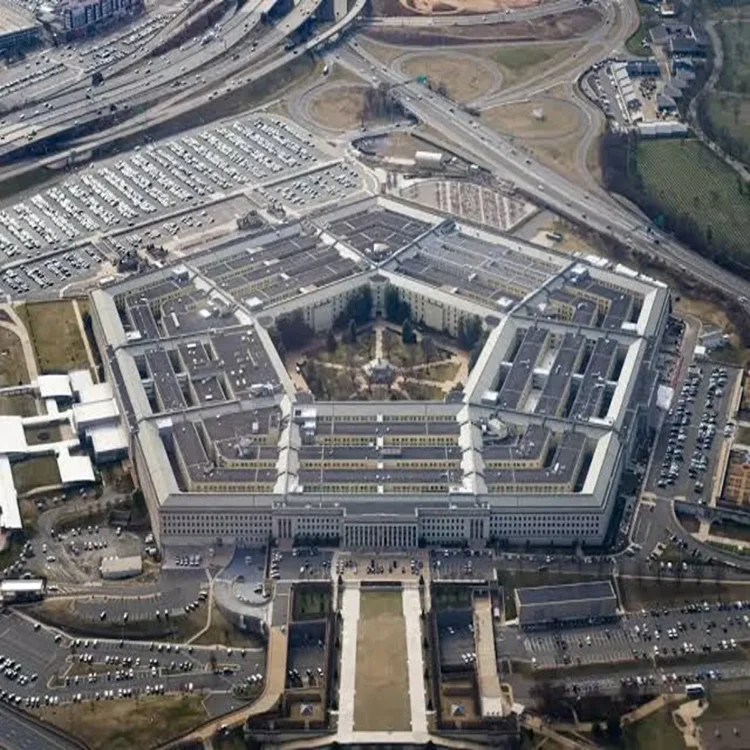
The US House of Representatives on Wednesday cleared the annual National Defense Authorization Act (NDAA), a defence policy package valued at approximately USD 1.15 trillion, by a narrow 216-212 margin. The legislation advanced largely along party lines, with only six Democratic lawmakers backing the proposal. Their support helped Republican leaders overcome opposition from seven members within their own party, allowing the bill to pass despite internal disagreements.
Republican Leaders Secure Key Legislative Win
The vote marked a significant political achievement for President Donald Trump and House Speaker Mike Johnson, who succeeded in guiding the legislation through the chamber despite resistance from both Democrats and a section of Republican lawmakers. However, the inclusion of several conservative policy measures made it difficult to attract wider bipartisan backing, increasing political tensions around the legislation.
Among the provisions included in the bill is a proposal to rename the US Department of Defense as the US Department of War. The measure also contains restrictions related to federal coverage for gender-affirming healthcare and introduces changes intended to make it easier for military personnel to carry privately owned firearms on military installations.
Election Proposal Added to Defence Package
Republican leadership also incorporated Trump’s SAVE America Act into the defence legislation after conservative lawmakers demanded its inclusion. The addition came after several hard-line Republicans had previously blocked progress on the bill, forcing party leaders to negotiate in order to secure enough votes for passage.
Democrats strongly criticised the legislation, arguing that it reflected the administration’s broader defence agenda without sufficient bipartisan consultation. Their concerns extended to the White House’s handling of the conflict involving Iran, overseas military operations, deployment of National Guard troops within American cities and several other defence-related decisions.
Senate Approval Remains Uncertain
Although the House has approved the measure, its future in the Senate remains uncertain. Democratic senators have already delayed work on their own version of the NDAA because of disagreements over policies connected to Iran. As a result, reaching a final compromise before the upcoming midterm elections appears increasingly difficult.
Ahead of the vote, House Armed Services Committee Ranking Member Adam Smith urged lawmakers to preserve the traditionally bipartisan nature of defence legislation. He argued that national security issues require cooperation across party lines and called on Republican members to challenge policies they believe are not in the country’s best interest.
Bipartisan Elements Included in the Bill
Despite the sharp political divide, the legislation contains several provisions that received support from lawmakers in both parties. It aims to speed up Pentagon procurement procedures, allowing the military to introduce new technologies more rapidly. The bill also authorises pay increases of between 5 and 7 percent for military personnel.
Another key provision continues restrictions on significant reductions in US troop deployments across Europe, reflecting ongoing concerns about maintaining America’s commitments to NATO allies during a period of international security challenges.
Funding Outlook and Additional Requests
While the NDAA establishes defence policy rather than directly allocating money, it formally supports the Trump administration’s request for USD 1.15 trillion in base defence funding through the annual appropriations process. The remaining portion of the administration’s proposed USD 1.5 trillion defence budget, estimated at around USD 350 billion, is expected to be addressed through separate reconciliation legislation.
Congress is also reviewing an emergency supplemental funding request worth nearly USD 90 billion from the White House, including approximately USD 67 billion linked to costs associated with military operations involving Iran. Democrats have expressed opposition to providing additional funding for the conflict, while House Republicans continue pushing for approval through a separate partisan package.
The final House-approved bill also includes several Democratic-backed provisions, including protections for collective bargaining rights of civilian defence employees, requirements for the Pentagon to explain the removal of senior military officers within five days, and a proposal to rename nine Army bases that previously honoured Confederate military figures.