
IndusWaterTreaty – India Reaffirms Suspension of Water Pact Over Terrorism Concerns
IndusWaterTreaty –India has reiterated that the suspension of the Indus Water Treaty will continue until Pakistan demonstrates a genuine commitment to ending cross-border terrorism as a matter of state policy.
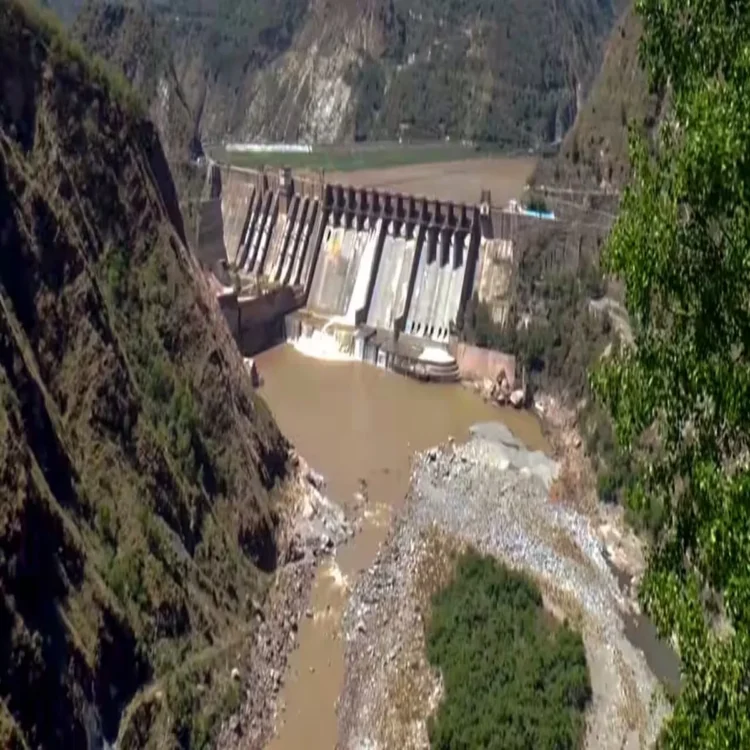
India firmly restated its position during a high-level open debate at the United Nations Security Council on natural resource governance. Addressing the forum, India’s Permanent Representative to the UN, P. Harish, said New Delhi’s approach to the Indus Water Treaty has remained unchanged and is guided by concerns over national security. He emphasized that meaningful cooperation between neighbouring countries can only exist when there is mutual trust and goodwill, conditions that cannot be achieved if terrorism continues to be used as an instrument of state policy.
India Responds at United Nations Debate
The remarks came after Pakistan’s Permanent Representative, Asim Iftikhar Ahmad, raised the issue of the Indus Water Treaty and the situation in Jammu and Kashmir during the Security Council discussion titled “Natural Resource Governance: The Foundation of Peace, Security and Prosperity.”
Pakistan argued that India had placed the 1960 water-sharing agreement in abeyance unilaterally and linked the development to the long-standing dispute over Jammu and Kashmir. India rejected that interpretation and maintained that the treaty’s suspension is directly connected to security concerns arising from cross-border terrorism.
Background to the Treaty Suspension
India decided to suspend the Indus Water Treaty after a terrorist attack in Pahalgam claimed the lives of 24 people at a popular tourist destination in April last year. According to Indian authorities, the attackers were linked to Pakistan-based terrorist groups, prompting a series of diplomatic and policy measures.
Following the incident, Prime Minister Narendra Modi stated that “water and blood cannot flow together,” explaining the government’s decision to keep the treaty in abeyance while also suspending trade relations with Pakistan. The move marked one of India’s strongest responses following the attack.
India’s Position on Jammu and Kashmir
During his address, Harish also reiterated India’s long-standing stand on Jammu and Kashmir. He stated that the Union Territory has always been and will continue to remain an integral and inseparable part of India. He described this as India’s constitutional and legal position, adding that Pakistan continues to disregard this reality.
Harish further asserted that the only unresolved matter concerning Jammu and Kashmir relates to what India describes as Pakistan’s illegal occupation of parts of its sovereign territory. He said Islamabad should focus on addressing issues within its own jurisdiction rather than making allegations against India on international platforms.
Reference to Historical UN Resolution
India also referred to the United Nations Security Council resolution adopted on April 21, 1948. According to the resolution, Pakistan was asked to withdraw its military personnel and nationals from Jammu and Kashmir, prevent further infiltration into the region, and refrain from supporting armed groups operating there.
The reference was presented to reinforce India’s argument that Pakistan has yet to fulfill obligations outlined in the early UN framework related to the conflict.
Concerns Over Developments in Pakistan-Administered Kashmir
Harish additionally highlighted reports of recent violence in Pakistan-administered Kashmir. He referred to allegations that security forces have used force against demonstrators in the region, with more than 30 people reportedly losing their lives since June.
He also mentioned an incident in Tararkhal on July 14, where six people were reported killed during an operation involving Pakistani security personnel. India cited these developments while urging Pakistan to address internal governance and security concerns.
Concluding his remarks, Harish said Pakistan would better serve its own citizens by focusing on domestic challenges instead of directing criticism toward India in international forums.