
Immigration – Trump Announces Plan to Replace Undocumented Truck Drivers With Veterans
Immigration -President Donald Trump has announced a proposal aimed at removing undocumented individuals working as commercial truck drivers in the United States while creating new employment opportunities for military veterans through a revised commercial licensing process.
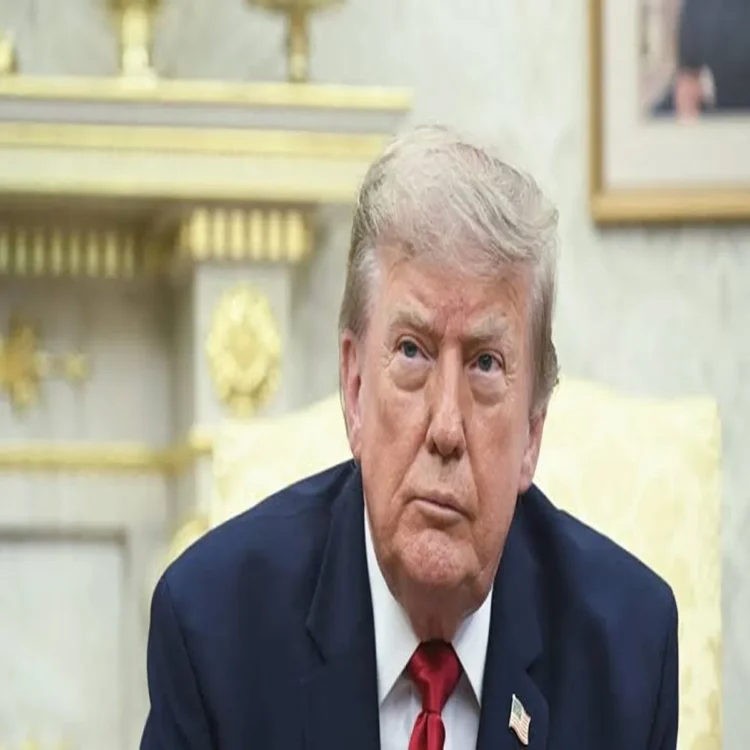
Trump unveiled the proposal during the Pennsylvania Defense and Innovation Summit on Wednesday, where he connected the initiative to concerns over road safety and immigration enforcement. Referring to the recent death of Pennsylvania State Trooper Michael Pahira, the president claimed the officer was killed in a crash involving an undocumented immigrant who was operating a commercial truck. Trump said the incident highlighted the need for stronger oversight of commercial drivers and stricter enforcement of immigration laws.
Administration outlines trucking enforcement proposal
According to Trump, his administration intends to introduce what he described as a historic enforcement effort targeting undocumented individuals employed as commercial truck drivers. He argued that the move would improve public safety and ensure that only legally authorized drivers operate heavy commercial vehicles on American highways.
During his address, Trump also made several claims about undocumented truck drivers, alleging that some are unable to properly read road signs and suggesting that substance abuse is a concern among certain drivers. However, he did not present evidence to support those statements while outlining the proposal.
Veterans to receive easier access to commercial licenses
A key feature of the president’s announcement involves expanding employment opportunities for former members of the US military. Trump said his administration plans to recognize military experience involving heavy vehicles when evaluating eligibility for a Commercial Driver’s License (CDL).
Under the proposal, veterans who previously operated heavy trucks during military service could qualify more quickly for commercial driving credentials, reducing barriers to entering the trucking industry. Trump described the initiative as both a workforce development measure and a way to support those who have served in the armed forces.
Legal status remains essential for commercial drivers
Commercial truck drivers in the United States must obtain a Commercial Driver’s License issued by individual state governments after completing required training and passing written and practical examinations.
In some cases, individuals seeking political asylum may receive temporary work authorization while their legal proceedings continue. Those with valid work authorization may become eligible to apply for a CDL if they satisfy state and federal licensing requirements. As a result, immigration status among commercial drivers varies depending on individual legal circumstances.
The trucking industry also includes a significant number of Sikh drivers and business owners, many of whom are US citizens, lawful permanent residents, or legally authorized workers. Although allegations have occasionally circulated regarding undocumented Sikh truck drivers, there is no evidence that such claims apply broadly to the community.
Industry could face workforce challenges
The proposal arrives at a time when the US trucking sector continues to deal with a shortage of qualified drivers. Over the years, many transportation companies have increasingly relied on immigrant workers to help address workforce gaps across the industry.
While the administration has outlined its overall objective, officials have not yet explained how undocumented commercial drivers would be identified, how existing licenses would be reviewed, or what legal procedures would be followed before any enforcement actions are taken.
Broader agenda highlighted during Pennsylvania visit
Trump’s remarks were delivered as part of a broader speech centered on manufacturing, defense investment, and economic growth in Pennsylvania. During the event, he announced nearly $10 billion in planned investments related to shipbuilding, military technology, and weapons production.
The president also criticized political opponents, arguing that his administration’s approach to immigration enforcement and workforce development would continue despite opposition. He presented stronger border enforcement, expanded domestic manufacturing, and increased opportunities for veterans as central priorities of his administration’s policy agenda.