
Rhino Conservation – Centre Clears DNA Indexing Plan for One-Horned Rhinos
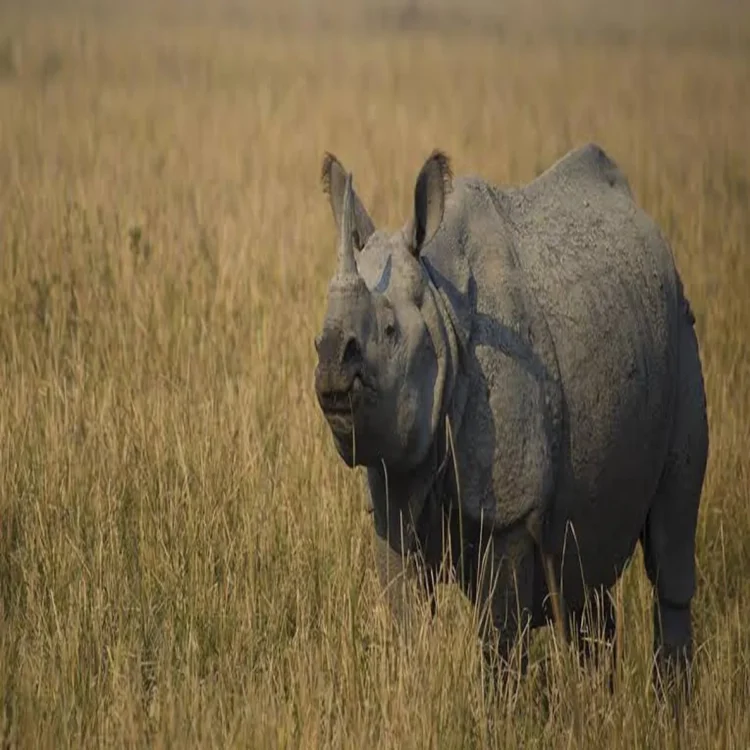
Rhino Conservation – The Union government has approved a major conservation programme to develop a DNA-based identification system for the greater one-horned rhinoceros. The initiative is expected to improve wildlife protection, strengthen population monitoring and support investigations into rhino poaching cases through scientific evidence.
Decision Taken at National Wildlife Board Meeting
The approval was granted during the 91st meeting of the Standing Committee of the National Board for Wildlife, chaired by Union Environment Minister Bhupender Yadav on Thursday. Along with the rhino DNA indexing proposal, the committee cleared the inclusion of the Pygmy Hog in the Species Recovery Programme and reviewed conservation planning for the critically endangered Great Indian Bustard.
The meeting also examined progress on several wildlife-related directions issued earlier by the National Board for Wildlife, including decisions discussed at its seventh meeting chaired by Prime Minister Narendra Modi.
Genetic Database to Track Individual Rhinos
Under the proposed Rhino DNA Indexing System, authorities will create a genetic database of India’s greater one-horned rhino population. The database is expected to help officials identify individual animals and assess their age, sex, geographical range and genetic diversity across protected areas.
The system could also assist wildlife managers in studying movement between rhino habitats and identifying whether populations from different forests are mixing. Such information may prove useful for habitat planning, conservation breeding and long-term management of the species.
DNA samples may also offer important forensic support in wildlife crime cases. If rhino parts are seized during an investigation, genetic matching could help enforcement agencies establish links with specific animals or populations. This may improve the ability of authorities to trace illegal trade and strengthen prosecution in poaching-related cases.
Model Draws From Tiger DNA Monitoring
The planned initiative follows India’s earlier experience with DNA profiling of tigers. Genetic analysis has become an important part of tiger conservation, helping researchers estimate populations, identify individual animals and support investigations involving illegal hunting and wildlife trafficking.
Wildlife experts believe a similar scientific framework for rhinos could add another layer of protection for one of India’s most recognisable endangered species. The greater one-horned rhinoceros is mainly found in protected landscapes of Assam, West Bengal and Uttar Pradesh, where conservation efforts have helped rebuild its numbers over recent decades.
Focus on Science and Habitat Connectivity
Addressing the committee meeting, Yadav said wildlife conservation should remain a central part of India’s environmental governance. He stressed that scientific planning, habitat connectivity and effective mitigation measures must guide decisions on development projects located in or near wildlife areas.
The minister said conservation policies should focus on practical solutions that combine modern technology, scientific research, sociological understanding and traditional knowledge. He added that stronger coordination between governments, researchers and local communities could improve outcomes for threatened wildlife species.
Great Indian Bustard Programme Moves Toward Rewilding
The Standing Committee also reviewed the conservation strategy for the Great Indian Bustard, one of the country’s most endangered birds. Progress under the Species Recovery Programme for several threatened animals was assessed during the meeting.
Yadav said the second “jump start” effort under Project Great Indian Bustard had achieved success in Gujarat’s Naliya landscape. The programme is expected to move towards its rewilding phase soon, with teams from the Wildlife Institute of India and forest departments in Rajasthan and Gujarat continuing their work on the project.
Scientific publications related to the conservation of rhinoceroses, sloth bears and the Great Indian Bustard were also released during the meeting.