
IMF – Global Growth Outlook Softens as Iran War Raises Energy Costs
IMF – The International Monetary Fund has slightly lowered its forecast for global economic growth in 2026, warning that the conflict involving Iran has pushed up energy costs and created new pressure on households and businesses. At the same time, strong spending on artificial intelligence and advanced technology is helping limit the wider economic impact.
Global Growth Forecast Reduced
In its latest assessment released Wednesday, the IMF projected that the world economy will grow by 3% in 2026. The figure is below the 3.5% growth recorded in 2025 and lower than the 3.1% estimate the fund issued in April.
The organisation expects global growth to improve next year, with the economy forecast to expand by 3.4% in 2027. However, the outlook remains dependent on energy markets stabilising and major economies maintaining investment momentum.
Strait of Hormuz Disruption Drives Oil Prices Higher
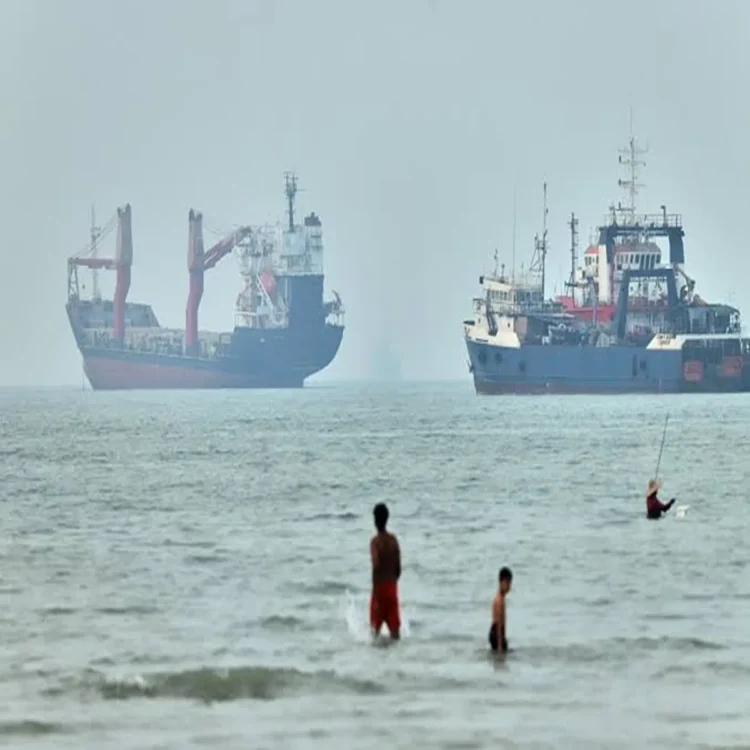
The IMF said the main concern is the disruption to energy supplies after Iran closed the Strait of Hormuz following U.S. and Israeli attacks on February 28. The strategic shipping route carries around one-fifth of global crude oil and natural gas supplies.
The closure sent oil and gas prices sharply higher, increasing costs for manufacturers, transport companies and consumers. The IMF now expects oil prices to rise by almost 32% this year. Global consumer prices are projected to increase by 4.7% in 2026, compared with 4.1% in 2025.
That increase could interrupt the progress made by central banks and governments in bringing inflation under control over the past two years.
IMF Assumes Shipping Route Will Reopen
The latest projections are based on the expectation that the Strait of Hormuz will reopen later this month and that commercial shipping activity will return to normal levels by March next year.
Those assumptions come despite renewed U.S. military action against Iran and President Donald Trump’s statement on Wednesday that the ceasefire arrangement with Tehran had ended.
Petya Koeva Brooks, deputy director of the IMF’s research department, said the global economy has handled the shock better than initially expected. She noted that several countries were able to rely on existing oil reserves, while energy producers outside the Persian Gulf increased output to support supply.
Technology Investment Supports U.S. Economy
The IMF said countries with strong domestic energy production and significant investment in artificial intelligence are better placed to manage the impact of higher fuel costs.
The United States is among the economies expected to remain relatively resilient. The IMF forecasts U.S. growth of 2.3% in 2026, compared with 2.1% in 2025. The estimate remains unchanged from the fund’s April outlook.
According to the IMF, tax cuts introduced by President Trump in 2025, improved productivity, technology investment and gains in financial markets are supporting economic activity in the United States.
Europe Faces Greater Energy Pressure
The eurozone is expected to face a more difficult year because of its dependence on imported energy. The 21 countries using the euro are projected to grow by 0.9% in 2026, down from 1.4% growth last year.
Higher fuel and electricity costs are likely to weigh on business investment and consumer spending across the region.
China and India Maintain Stronger Growth
China is expected to record growth of 4.6% this year, compared with 5% in 2025. Although rising energy costs and a prolonged property sector downturn continue to affect the economy, government infrastructure spending, high-tech manufacturing and export growth are providing support.
India is again expected to remain the fastest-growing major economy. The IMF forecasts growth of 6.4% in 2026, lower than the 7.7% recorded last year but still supported by steady consumer demand.
The IMF, which represents 191 member countries, works to promote financial stability, economic development and poverty reduction across the global economy.