
Waste Management – Delhi Plans Five New Plants to Narrow Processing Gap
Waste Management – The Municipal Corporation of Delhi has said that five new fresh waste processing plants are likely to begin operations by October or November this year. Together, the facilities are designed to handle 5,900 metric tonnes of waste per day and are expected to ease pressure on the capital’s existing waste disposal network.
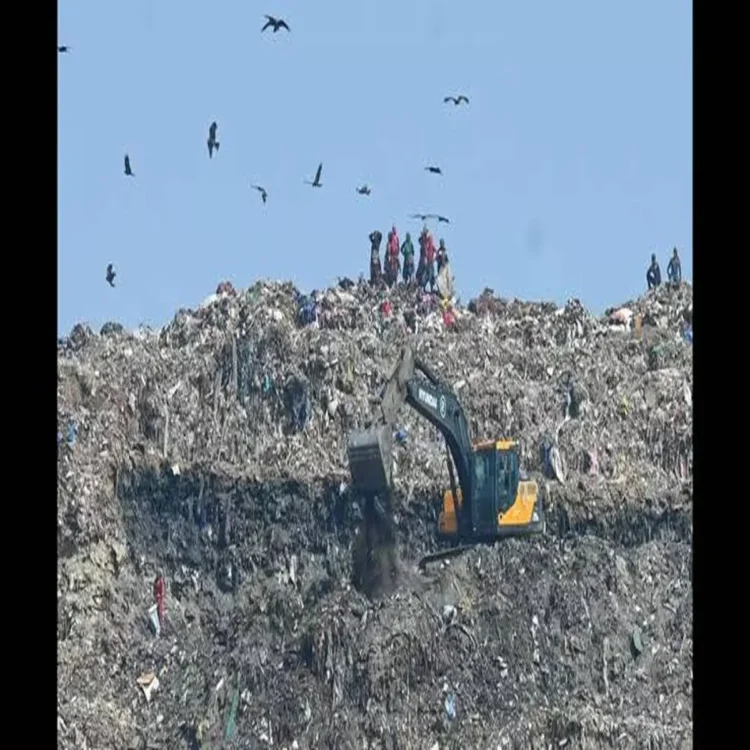
New facilities planned across five locations
The proposed plants will be developed at Okhla, Ghazipur and Bhalswa, where major landfill sites are already located. Two additional facilities are planned at Singhola and Narela-Bawana, expanding waste-processing infrastructure to new parts of the city.
Officials believe the projects will help address Delhi’s long-standing shortfall in handling fresh municipal waste. At present, the city generates around 13,000 to 14,000 tonnes of waste every day, while only about 7,000 to 8,000 tonnes is processed daily.
The remaining waste either adds to existing landfill pressure or requires temporary handling arrangements, making new processing capacity an important part of the civic body’s waste-management plan.
Projects approved at an estimated cost of Rs 596 crore
The Municipal Corporation of Delhi approved the five projects last month at an estimated cost of Rs 596 crore. Once commissioned, the plants are expected to provide a substantial addition to the city’s daily waste treatment capacity.
The largest proposed unit will be established at Bhalswa, with the ability to process 1,800 tonnes per day. The Okhla facility is planned for 1,400 tonnes per day, while the Narela-Bawana plant will have a capacity of 1,200 tonnes per day.
At Ghazipur, the new plant is expected to process 800 tonnes daily. The Singhola facility will have a planned capacity of 700 tonnes per day. Combined, the five projects are expected to process 5,900 tonnes of fresh waste each day.
Landfill remediation slows during monsoon period
The announcement comes at a time when biomining work at Delhi’s major landfill sites has slowed because of monsoon conditions. Biomining involves separating and processing old waste accumulated over several years at landfill locations.
According to officials, the pace of legacy waste remediation at Ghazipur, Okhla and Bhalswa has fallen by more than half during the rainy season. Wet conditions make it difficult to excavate, sort and transport waste, affecting the movement of machinery and materials at the sites.
The civic body has revised monthly work targets to reflect the seasonal disruption. Officials said biomining activity is expected to gather momentum again once weather conditions improve after the monsoon.
Focus on reducing pressure at landfill sites
The new fresh waste processing plants are expected to support Delhi’s broader effort to prevent additional waste from reaching landfill sites. Processing more newly generated waste at source or nearby facilities can help limit the volume being added to already burdened dumping grounds.
The three landfill sites at Ghazipur, Okhla and Bhalswa have remained central to Delhi’s waste-management challenges for years. Along with clearing older waste through biomining, the civic body is seeking to improve treatment of fresh waste so that future accumulation can be controlled.
Officials said the planned facilities will help bridge the current processing deficit, although their impact will depend on timely construction, operational readiness and consistent waste collection across the city.
The projects are expected to become a key part of Delhi’s waste treatment framework once they begin functioning later this year.