
OMSS – Punjab Seeks Clarity Over Exclusion From Rice E-Auctions
OMSS – The Union Government has adopted a more restrictive approach to rice sales under the Open Market Sale Scheme (OMSS) for 2026-27, limiting participation by surplus-producing states. Punjab, Haryana and Uttar Pradesh have been kept out of the e-auction process under the revised framework, even though Punjab holds the country’s largest rice inventory.
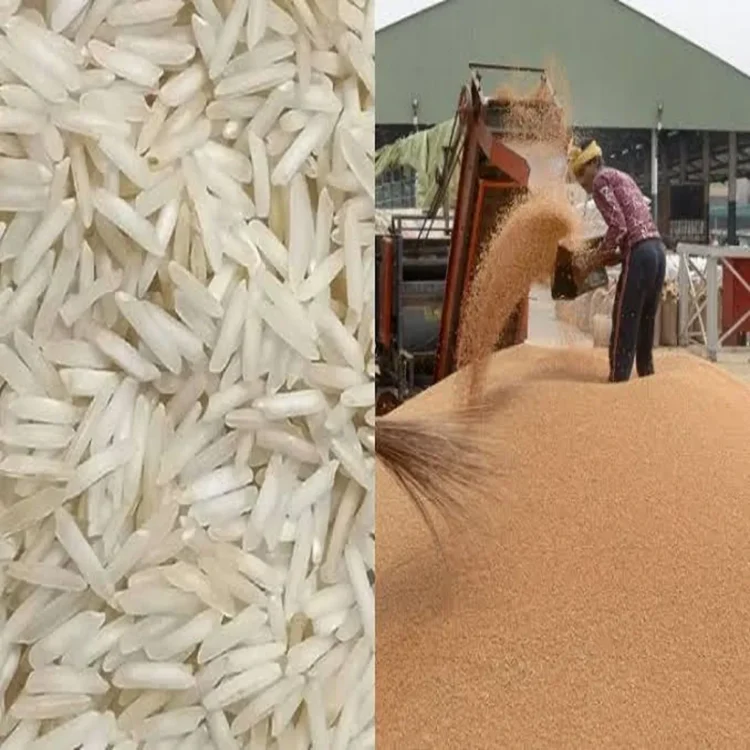
New OMSS Rules Limit Sales to Non-Surplus States
An order issued by the Ministry of Consumer Affairs, Food and Public Distribution on July 2 stated that rice sales to state governments under OMSS would be permitted only for non-surplus states that need additional supplies for their notified schemes. The revised policy has effectively prevented major grain-producing states from accessing rice through OMSS e-auctions.
Punjab Food Supplies Principal Secretary Rahul Tewari said the state government has sought clarification from the Centre over its exclusion. He said Punjab wants to know why the revised scheme does not offer any benefit to the state despite its substantial foodgrain holdings.
Reserve Price Cut Offers Limited Relief to Punjab Millers
The Department of Food and Public Distribution has reduced the reserve price for 100 per cent broken rice from Rs 2,320 per quintal to Rs 2,000 per quintal. The move has been welcomed by the rice industry, as it could make the commodity more competitive in the market.
However, Punjab rice millers say the price reduction has brought little practical relief because the state cannot participate in OMSS e-auctions. Punjab is a major custom milling hub, and millers argue that they need access to the auction platform to clear stocks that have remained unsold for months.
Large Foodgrain Stocks Add Pressure on Storage Capacity
Punjab is carrying a sizeable stock of foodgrains from the previous season, including around 180 lakh metric tonnes of rice and 135 lakh metric tonnes of wheat. Industry representatives say the heavy inventory has put pressure on storage facilities and blocked space in godowns across the state.
The Punjab Rice Industry Association has repeatedly approached the Union Minister for Consumer Affairs, Food and Public Distribution, the Food Corporation of India management and the Department of Food and Public Distribution. Its representatives have requested that Punjab be allowed to join OMSS e-auctions so rice millers can dispose of accumulated broken rice stocks.
Industry Flags Unsold Broken Rice Inventory
Punjab Rice Industry Association Vice-President Ranjit Singh Jossan said rice millers in the state are holding about 97,000 metric tonnes of 100 per cent broken rice. According to him, much of this stock has been lying in storage for nearly eight months, leading to financial losses, higher warehousing expenses and pressure on working capital.
He said the lower reserve price was a positive development, but the benefit would remain limited unless Punjab receives permission to participate in the e-auction process. Industry members have maintained that the state’s exclusion leaves millers without a viable channel to clear their stocks.
Central Pool Stocks Remain Well Above Buffer Norms
Sources said foodgrain stocks in the Central Pool have reached about 91.6 million tonnes, the highest level recorded so far. The Food Corporation of India is estimated to be holding close to 40 million tonnes of rice and 51 million tonnes of wheat.
These quantities are significantly above the buffer norms prescribed for July 1. The government’s minimum requirement is 13.54 million tonnes of rice and 27.58 million tonnes of wheat, indicating that available stocks are far higher than the mandated reserve levels for the Public Distribution System.
More Rice Deliveries Expected From Custom Milling
The present rice stock estimate does not include more than 27 million tonnes that are yet to be delivered to the Food Corporation of India through ongoing custom milling operations. Once these supplies reach the Central Pool, the country’s rice inventory is expected to rise further.
Under the OMSS policy for the current financial year, around 4.8 million tonnes of rice have been allocated from FCI stocks for state welfare schemes. Punjab Rice Industry Association President Bharat Bhushan Binta said higher foodgrain stocks during the early kharif period could help the government respond to any production shortfall, adverse weather conditions or future market intervention needs.