
Infrastructure – Cabinet Approves Delhi Tunnel and Kanpur-Kabrai Highway Projects
Infrastructure – The Union Cabinet has approved two major road infrastructure projects worth Rs 14,114.81 crore, covering a tunnel route in Delhi and a new access-controlled highway between Kanpur and Kabrai. The projects are expected to ease congestion in the National Capital Region while strengthening freight connectivity across parts of Uttar Pradesh and Madhya Pradesh.
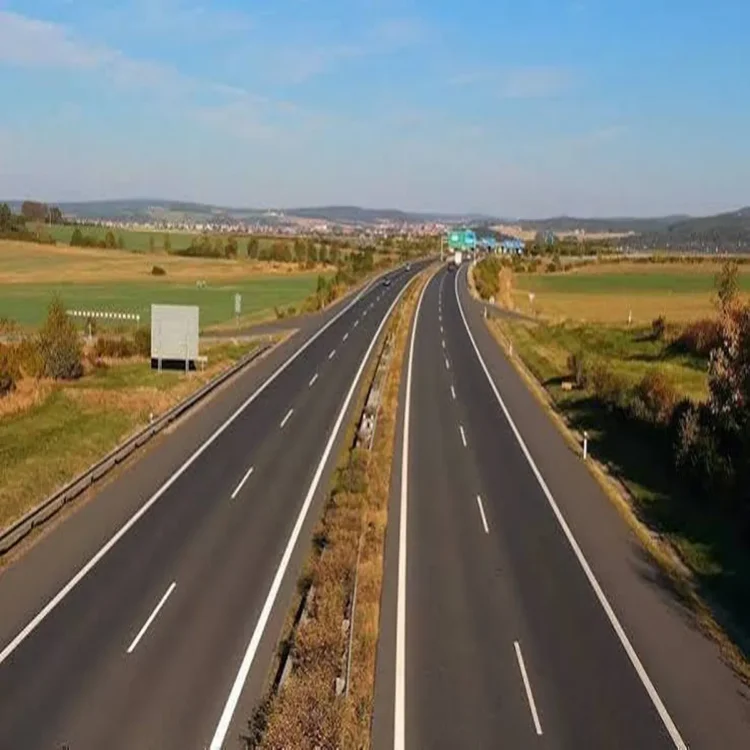
Cabinet Clears Projects Under National Highway Programme
The proposals were approved by the Cabinet Committee on Economic Affairs, chaired by Prime Minister Narendra Modi. Information and Broadcasting Minister Ashwini Vaishnaw said the projects are intended to improve urban mobility, reduce travel delays and support economic activity through better road networks.
The Delhi project has been approved at an estimated cost of Rs 6,969.67 crore. It involves construction of an 8.1-km six-lane corridor on NH-148AE, linking the Shivmurti Interchange on the Dwarka Expressway with Nelson Mandela Marg in Vasant Kunj.
Delhi Tunnel to Improve Access Across NCR
The planned route is expected to provide a more direct connection for people travelling from Gurugram, Dwarka, Indira Gandhi International Airport and west Delhi towards south Delhi. The project will be developed through the Hybrid Annuity Model, under which private developers build and maintain the project while receiving payments from the government over a defined period.
The corridor is also expected to connect with the proposed elevated AIIMS-Mahipalpur route. This integration could create a smoother link towards the Barapullah elevated road and improve connectivity with east Delhi, Ghaziabad and Noida.
Construction Planned Beneath Southern Ridge Forest
A major part of the Delhi project will pass below the ecologically sensitive Southern Ridge Forest. The government plans to use tunnel boring machines for this section to limit disturbance on the surface and reduce the need for large-scale excavation in the protected area.
The project includes a 3.14-km underground tunnel, approach ramps, elevated road sections and surface-level stretches. A 1.8-km elevated road along Nelson Mandela Marg has also been proposed, along with a flyover towards Mahipalpur and an elevated U-turn near the Mahipalpur-Chhatarpur junction.
Officials estimate that the Delhi project could create around 7.54 lakh direct man-days of employment and nearly 9.8 lakh indirect man-days during its construction phase.
Kanpur-Kabrai Highway Set to Strengthen Bundelkhand Links
The second project involves a 117.7-km four-lane greenfield access-controlled highway between Kanpur and Kabrai. Approved at a cost of Rs 7,145.14 crore, the corridor is planned as part of the proposed Bhopal-Kanpur Economic Corridor under the National Highways programme.
The highway will be developed by the National Highways Authority of India through the Build-Operate-Transfer toll model. It will also include the operation and maintenance of the existing Kanpur-Kabrai section of NH-34.
Travel Time Expected to Fall to Around 90 Minutes
Designed for vehicle speeds of 80 to 100 kmph, the new road is expected to reduce the travel time between Kanpur and Kabrai from more than three hours to about 90 minutes. It is also planned with provisions for future widening to six lanes if traffic demand increases.
The corridor is expected to improve movement between industrial centres, agricultural areas and mineral-producing zones. Better access to the Kabrai mining belt could help speed up transportation of minerals, construction material, industrial goods and farm produce.
The route will connect with NH-34, NH-35, the Bundelkhand Expressway, Kanpur Ring Road and several state highways. According to the government, it will improve access to 16 economic nodes, nine social nodes and 10 logistics hubs, including industrial areas, railway stations and airports.
Employment and Logistics Benefits Expected
The Kanpur-Kabrai highway project is expected to generate nearly 1.2 crore person-days of employment during construction. Government estimates suggest the route could handle an annual average daily traffic of around 18,069 passenger car units by the financial year 2028-29.
Officials said the two projects are expected to support smoother traffic flow, lower transport costs and stronger regional connectivity across Delhi, Uttar Pradesh and Madhya Pradesh.