
WasteManagement – Delhi Sets Faster Timeline to Expand Ghazipur Landfill Cleanup Operations
WasteManagement – Delhi is accelerating efforts to increase waste processing capacity at the Ghazipur landfill as part of its long-term plan to clear legacy garbage and reclaim land.
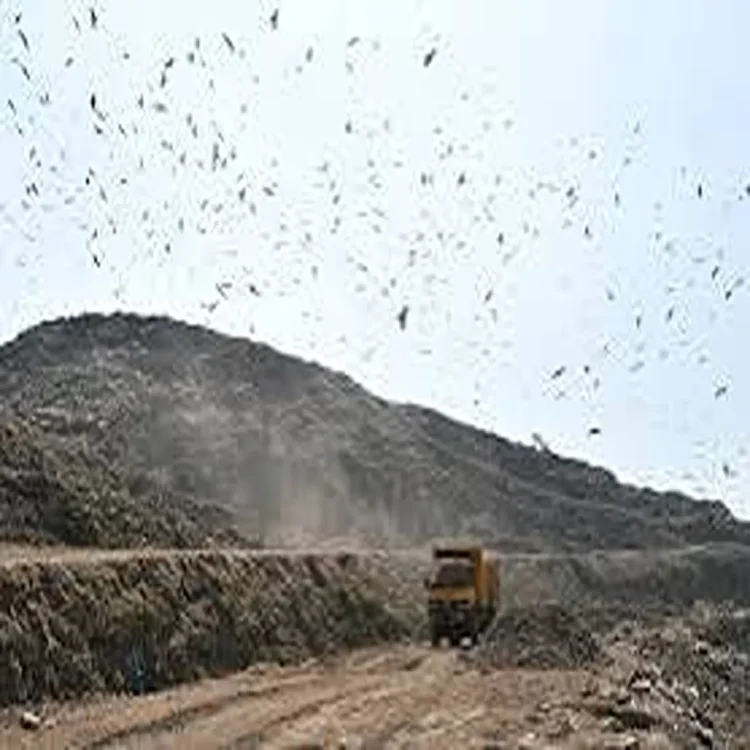
The Delhi government has announced that the daily biomining capacity at the Ghazipur landfill will be increased from 7,000 metric tonnes to 12,000 metric tonnes by July 31. During an inspection of the site on Friday, Urban Development Minister Ashish Sood reviewed the ongoing cleanup work and directed officials to ensure faster execution of the project. He also instructed that progress be reviewed every week and said he would return next month to personally assess developments.
Fresh Waste to Be Processed Separately
To improve the pace of remediation, the government has decided to process newly generated waste separately from decades-old legacy waste. Officials have also been asked to prepare and submit a detailed two-month action plan outlining measures to speed up work. According to the minister, separating fresh waste from the older garbage will help improve operational efficiency and reduce delays in clearing the landfill.
Progress Made Under Biomining Project
Authorities said nearly 24 lakh metric tonnes of legacy waste have already been treated during the second phase of the biomining programme. As a result, around 20 acres of land have been reclaimed for future use, while nearly 50 acres still remain under waste. The Ghazipur landfill, which has been receiving garbage since 1984, covers nearly 70 acres and remains one of Delhi’s oldest waste disposal sites.
Previous Delays Increased the Challenge
Officials familiar with the project noted that despite directions issued by the National Green Tribunal in 2019, waste continued to accumulate at the landfill over the years. The garbage mound eventually reached an estimated height of about 65 metres, making it one of the city’s most visible environmental concerns.
The first phase of biomining, conducted between November 2022 and November 2024, aimed to process 30 lakh metric tonnes of legacy waste. However, the contractor assigned to the project managed to clear only about 13.9 lakh metric tonnes during that period.
Second Phase Targets Completion by 2026
The second phase of the project began after a contract was awarded on March 7, 2025. It also carries a target of processing 30 lakh metric tonnes of old waste and is expected to conclude by September 2026. A drone-based assessment conducted in April estimated that the landfill contained around 67.81 lakh metric tonnes of waste.
Between April 30 and June 25, officials processed approximately 3.39 lakh metric tonnes through biomining operations. This brought the total waste volume down to nearly 66.68 lakh metric tonnes, including both legacy and newly generated waste. The Delhi government has set an overall goal of clearing the remaining waste by December 2027.
Daily Fresh Waste Remains a Major Obstacle
According to government sources, one of the biggest hurdles slowing the cleanup is the continuous arrival of fresh municipal waste. Every day, nearly 2,400 to 2,500 metric tonnes of garbage from Shahdara North and Shahdara South reaches the Ghazipur site. While a significant share is diverted to the waste-to-energy facility, around 800 metric tonnes still end up being added to a fresh waste pile at the landfill.
Officials also identified the disposal of inert material generated during biomining as another factor affecting the speed of remediation. The government believes that addressing both issues through better planning and separate waste handling will help accelerate the landfill restoration programme and support Delhi’s long-term environmental objectives.