
Diplomacy – PM Modi Meets Iranian Security Official After BRICS Talks
Diplomacy – Prime Minister Narendra Modi met Ghadir Nezamipour, Deputy Secretary of Iran’s Supreme National Security Council, in New Delhi following the conclusion of the 16th BRICS National Security Advisers’ Meeting, which was chaired by National Security Adviser Ajit Doval. The meeting took place amid heightened diplomatic activity and growing attention on regional security developments involving West Asia.
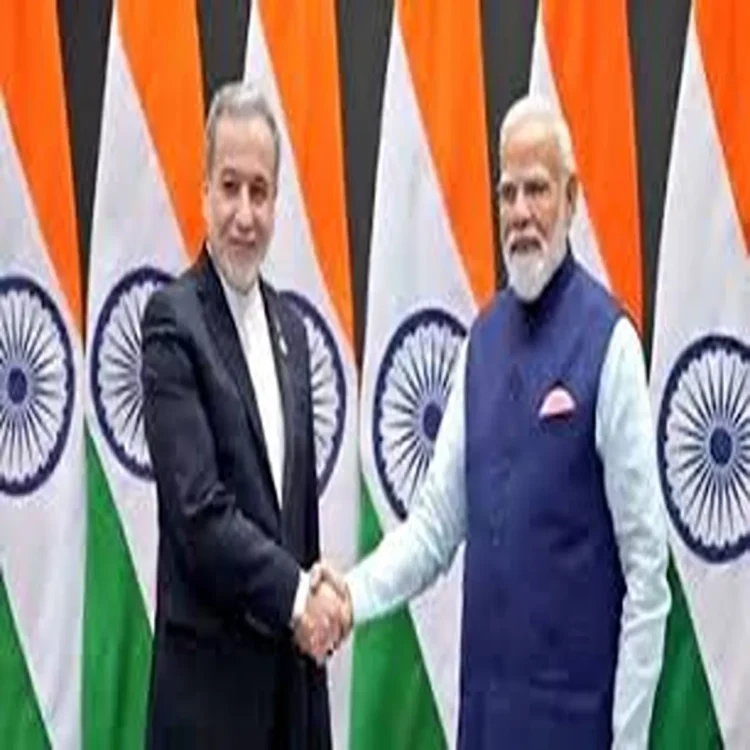
High-Level Engagement in New Delhi
According to information shared by the Iranian Embassy in India, Nezamipour held discussions with Prime Minister Modi on Tuesday evening after participating in the BRICS gathering of national security advisers and heads of security agencies. The meeting reflected ongoing engagement between India and Iran on issues related to regional stability, security cooperation, and multilateral dialogue.
Before meeting the Prime Minister, the Iranian official also held talks with National Security Adviser Ajit Doval as part of his visit to the Indian capital.
BRICS Security Forum Draws Attention
The 16th BRICS National Security Advisers’ Meeting brought together senior security representatives from member countries to discuss key geopolitical and strategic concerns. The forum served as a platform for exchanging views on emerging security challenges and developments affecting global and regional peace.
However, discussions at the event were overshadowed by sharp exchanges between representatives of Iran and the United Arab Emirates, highlighting growing tensions linked to recent events in West Asia.
Iran Raises Allegations Against UAE
During the meeting, Nezamipour strongly rejected allegations that had reportedly been made against Iran by the UAE delegation. In remarks shared by the Iranian Embassy, the senior Iranian official disputed the claims and shifted the focus toward the broader regional conflict involving Iran, the United States, and Israel.
Iranian representatives argued that the recent escalation in the Strait of Hormuz originated from actions taken by the United States and Israel. Nezamipour further alleged that facilities located within the UAE had been used in operations targeting Iran.
Accusations Linked to Regional Conflict
The Iranian official claimed that attacks launched during the recent confrontation involved bases situated on UAE territory. He also alleged that the UAE had supported actions that affected civilian infrastructure inside Iran, including public institutions and essential facilities.
The remarks marked one of the strongest public criticisms directed at the UAE during an international security forum in recent months. Iranian officials maintained that regional countries should condemn actions that increase instability rather than become involved in military operations.
Call for De-Escalation
Addressing the UAE delegation, Nezamipour urged a move away from what he described as policies driven by confrontation and political messaging. He called for greater responsibility and dialogue to prevent further deterioration of security conditions across the region.
The comments came at a time when diplomatic efforts are underway to reduce tensions in West Asia. Recent technical-level discussions held under a memorandum aimed at ending hostilities between the United States and Iran reportedly resulted in an agreement to establish a High-Level Committee and prepare a roadmap for a broader settlement process within the next 60 days.
Regional Developments Remain Under Watch
The developments discussed during the BRICS meeting underscore the continuing importance of diplomatic engagement as countries seek solutions to complex regional disputes. With India hosting the security dialogue and maintaining relations with multiple stakeholders in the region, the discussions in New Delhi attracted significant international attention.