
MiningWaste – Coal Mine Byproduct Emerges as Cost-Effective Construction Material
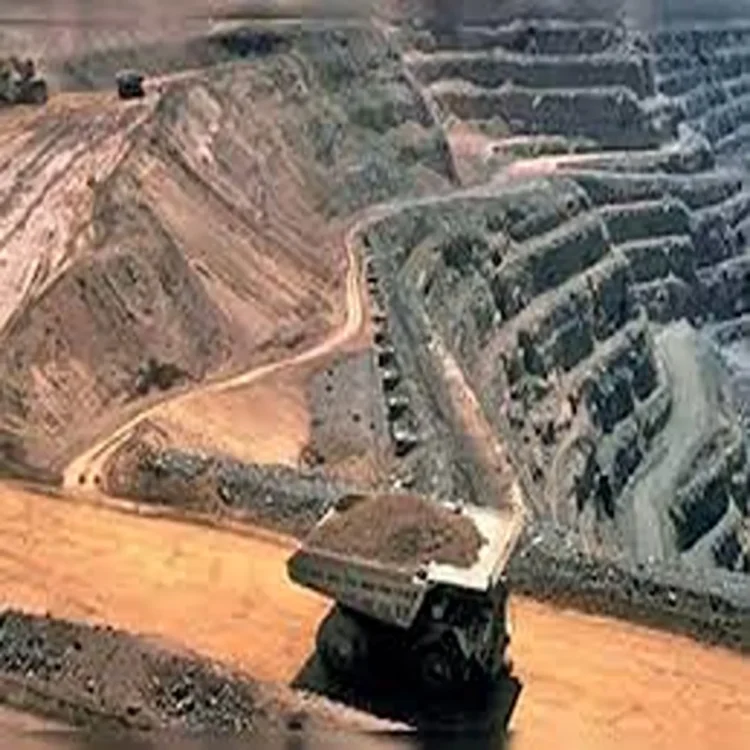
MiningWaste – A major development in construction material research has emerged from Dhanbad, where scientists have found a practical way to transform coal mining waste into a valuable resource for the building industry. Researchers at the Central Institute of Mining and Fuel Research (CIMFR) have demonstrated that hard rock overburden, a material typically discarded during coal extraction, can successfully replace natural stone aggregates used in concrete production.
Research Opens New Possibilities
The study was carried out over several years and focused on assessing whether processed overburden material could perform as effectively as conventional aggregates. According to researchers, the results were encouraging, showing that concrete prepared using the mining byproduct delivered strength and durability levels comparable to standard concrete commonly used in construction projects.
Dr. Mustaq Ansari, who led the research efforts, explained that the waste rock collected from coal mine overburden dumps was carefully processed and crushed before being incorporated into concrete mixtures. Extensive laboratory evaluations confirmed that the alternative material met essential engineering requirements.
Performance Comparable to Conventional Concrete
During the research, scientists tested different proportions of overburden aggregates, replacing natural stone aggregates from 25 percent up to a complete 100 percent substitution. The concrete samples were then subjected to detailed examinations covering compressive strength, tensile strength, bonding characteristics, and long-term durability.
The findings showed that the alternative aggregate consistently delivered results similar to conventional construction materials. Researchers noted that such performance makes the material suitable for a wide range of infrastructure applications, including roads, bridges, residential buildings, commercial structures, and public development projects.
In addition to its structural properties, the concrete also demonstrated satisfactory workability, an important factor for large-scale construction activities where ease of handling and placement significantly affects project efficiency.
Environmental Benefits Gain Attention
Beyond engineering performance, the innovation offers notable environmental advantages. Mining operations across the country generate substantial quantities of overburden material, much of which remains unused. Converting this waste into construction aggregates could significantly reduce the volume of material stored in dumping sites.
Researchers estimate that every tonne of overburden aggregate used in place of natural stone can prevent the extraction of an equivalent quantity of stone from quarries. This could contribute to the preservation of hills and rocky landscapes while reducing pressure on forests, river ecosystems, and biodiversity-rich regions affected by mining and quarrying activities.
The approach also supports broader sustainability goals by promoting the reuse of industrial waste and reducing dependence on finite natural resources.
Significant Cost Savings Identified
Economic analysis conducted during the study revealed another major advantage. After accounting for processing expenses such as transportation, crushing, labour, and electricity, researchers found that producing coarse aggregates from coal mine overburden costs substantially less than sourcing natural stone aggregates.
The assessment indicated that aggregate production using overburden material could be nearly 65 percent cheaper. Furthermore, the use of these aggregates in one cubic metre of M30-grade concrete was found to reduce overall concrete production costs by approximately 18 percent.
Experts believe that these savings could become particularly significant in large public infrastructure projects, including highways, railway networks, bridges, and government-funded construction works. Over time, the cumulative financial benefits could amount to substantial reductions in project expenditure.
Patent Process Underway
The technology developed by CIMFR is currently moving through the patent application process. Researchers expect commercial-scale deployment to begin after the necessary approvals are secured. If adopted widely, the innovation could convert a long-overlooked mining byproduct into a dependable construction resource while supporting both economic and environmental objectives.