
Railway Infrastructure – Navi Mumbai Stations Shift to Central Railway Control
Railway Infrastructure – Railway station management reforms gain momentum in Navi Mumbai with the transfer of key passenger facilities to Central Railway. The move is expected to improve maintenance standards, operational efficiency, and future infrastructure development across the affected stations.
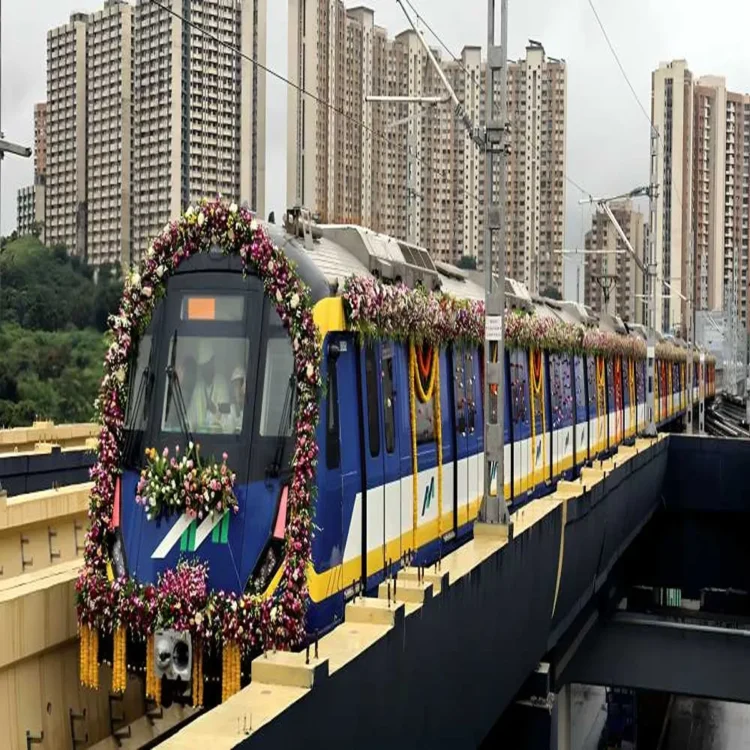
The ownership and management of three important railway stations in Navi Mumbai—Targhar, Bamandongari, and Kharkopar—have officially been handed over by the City and Industrial Development Corporation (CIDCO) to Central Railway. The transfer includes not only station buildings but also a wide range of associated passenger infrastructure and support systems. The formal handover took place in the presence of senior officials and public representatives, marking a significant development in the region’s railway administration.
Transfer Covers Key Passenger Facilities
Under the transfer arrangement, several assets connected to the three stations have also been moved under Central Railway’s authority. These include station premises, forecourt areas, parking facilities for commuters, telecommunications infrastructure, electrical substations, and other operational support installations.
The handover ceremony was led by CIDCO Vice Chairman and Managing Director Ashwin Mudgal. Thane Member of Parliament Naresh Mhaske, who serves on the Railway Coordination Committee, was also present during the proceedings.
CIDCO Highlights Contribution to Railway Growth
Speaking on the occasion, Mudgal noted that CIDCO has played an important role in expanding and developing railway infrastructure across Navi Mumbai over the years. He said the transfer represents a crucial administrative step that will allow railway authorities to directly oversee station management and related services.
According to officials, bringing these stations under Central Railway’s direct control is expected to streamline responsibilities and improve coordination in day-to-day operations.
Central Railway to Manage Operations and Maintenance
Following the transfer, Central Railway will take charge of several core functions at the three stations. These responsibilities include station operations, routine upkeep, passenger safety measures, and service-related management activities.
Officials believe that direct control by the railway administration will help ensure quicker decision-making and more effective implementation of maintenance programs.
Long-Standing Ownership Issue Finally Resolved
The transfer also addresses a long-pending issue concerning the ownership and management of railway assets originally developed by CIDCO. For years, the absence of a formal takeover had created uncertainty regarding maintenance responsibilities and infrastructure upgrades.
Naresh Mhaske explained that the issue dates back to 2008, when an agreement between CIDCO and Indian Railways came to an end. Despite the expiry of the arrangement, a formal transfer of the stations did not take place, resulting in administrative ambiguity for nearly two decades.
According to him, the lack of clearly defined ownership affected station development efforts and limited improvements in passenger facilities. With Central Railway now assuming full responsibility, future maintenance and modernization projects are expected to progress more efficiently.
More Station Transfers Planned
Mhaske stated that the matter had been repeatedly raised during review meetings and parliamentary discussions with Railway Minister Ashwini Vaishnaw. Following discussions held earlier this year, a roadmap was prepared for the gradual transfer of railway stations managed by CIDCO.
He indicated that the current handover represents only the initial phase of the process. The remaining stations under CIDCO’s management are expected to be transferred to Indian Railways within the next six months.
Expected Benefits for Daily Commuters
Passengers using Targhar, Bamandongari, and Kharkopar stations are likely to see improvements in station upkeep, cleanliness, safety arrangements, and service coordination. The transition is also expected to accelerate infrastructure enhancement projects and strengthen overall station management.
Railway authorities are expected to introduce better maintenance practices and modern passenger amenities, helping these stations align more closely with other major railway facilities operated directly by Indian Railways. The move is viewed as an important step toward enhancing the commuter experience across Navi Mumbai’s growing railway network.