
GreatNicobarPort – Congress Demands Answers on Ownership and Funding Plans
GreatNicobarPort – Congress leader Jairam Ramesh has written to Union Minister for Ports, Shipping and Waterways Sarbananda Sonowal seeking detailed information about the proposed International Container Transhipment Port planned at Galathea Bay in Great Nicobar Island. In his communication, Ramesh raised questions regarding private sector involvement, project financing, ownership arrangements and environmental implications associated with the ambitious development.
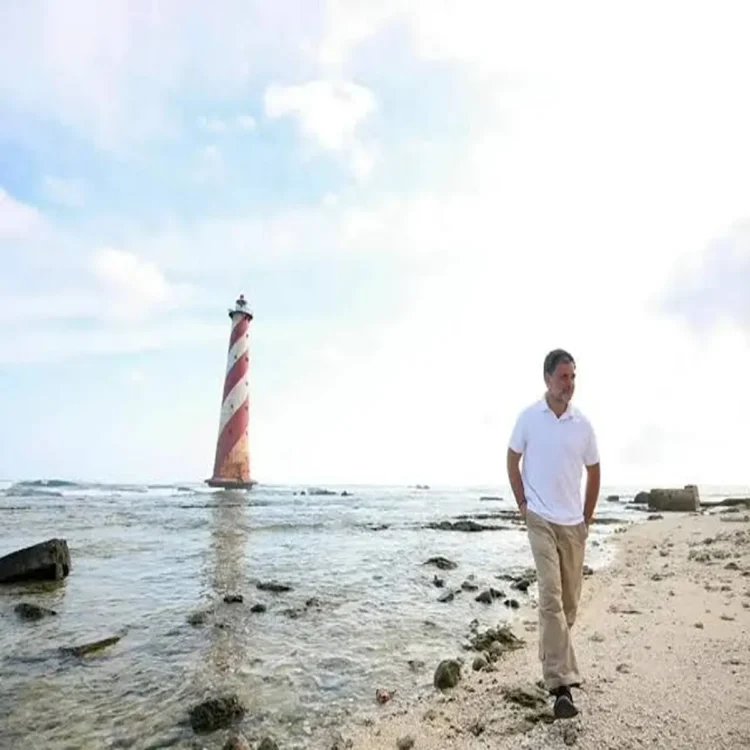
Questions Raised on Private Participation
Ramesh asked the ministry to disclose the schedule for inviting private investors into the project and explain the procedure that will be followed to identify and appoint a private partner for ownership and operational responsibilities. He also requested clarity on the structure of the Special Purpose Vehicle (SPV) that will oversee the port’s development and management.
Referring to recommendations made by the Public Private Partnership Appraisal Committee (PPPAC), he noted that at least 55 percent of the shareholding should remain with an Indian-owned and controlled entity. He sought clarification on whether this requirement could allow complete private ownership or whether a mandatory stake would remain with government-backed entities.
Concerns Over Ownership Concentration
The Congress leader also questioned whether safeguards would be introduced to prevent excessive concentration of ownership within the port sector. Drawing comparisons with the privatization of airports, he asked whether a single private company could eventually gain control over multiple strategic port assets.
According to Ramesh, greater transparency is required regarding the government’s long-term approach to ownership and competition within the country’s maritime infrastructure sector.
Funding Structure Under Scrutiny
Another issue highlighted in the letter concerns project financing. Ramesh pointed out that the PPPAC reportedly did not approve the ministry’s request for Viability Gap Funding (VGF), a mechanism often used to support large infrastructure projects.
He sought information on whether the Ministry of Ports, Shipping and Waterways intends to provide financial assistance from its own budgetary allocations to compensate for the absence of VGF support. The query reflects concerns about how the substantial investment required for the project will be mobilized.
Environmental Risks Remain a Major Concern
The latest letter is part of Ramesh’s continuing criticism of the broader Great Nicobar Island development programme. The proposed initiative includes not only the transhipment port but also a dual-use civilian and naval airport, a township and a power generation facility.
Citing records of PPPAC discussions released in April, Ramesh said the committee had identified significant challenges linked to the port proposal. These include the construction of a large greenfield port and the difficulty of attracting cargo traffic away from established international transhipment hubs.
He suggested that ports such as Colombo, Singapore and Port Klang would represent strong competition for the planned facility. According to him, moving ahead with the project despite these acknowledged risks raises important policy and environmental questions.
Opposition Continues Over Ecological Impact
The Congress party has consistently opposed the Galathea Bay port project, arguing that it could result in serious environmental consequences. Party leaders have repeatedly expressed concerns about potential damage to coral ecosystems and other sensitive natural habitats in the region.
Ramesh has previously approached several Union ministers, including those responsible for environment, tribal affairs and defence, seeking greater scrutiny of various aspects of the project. His concerns have ranged from environmental approvals to the protection of indigenous communities and compliance with legal safeguards under the Forest Rights Act, 2006.
Wider Political Debate
The issue has also attracted attention from senior Congress leader Rahul Gandhi. In earlier statements, Gandhi questioned the government’s justification for the project and alleged that commercial interests could be playing a larger role than officially acknowledged.
Following a visit to the Andaman and Nicobar Islands, Gandhi released a video urging public engagement on the issue and called for greater examination of the project’s long-term environmental and social consequences.