
SickleCellDisease – India Strengthens Fight Against Genetic Blood Disorderc
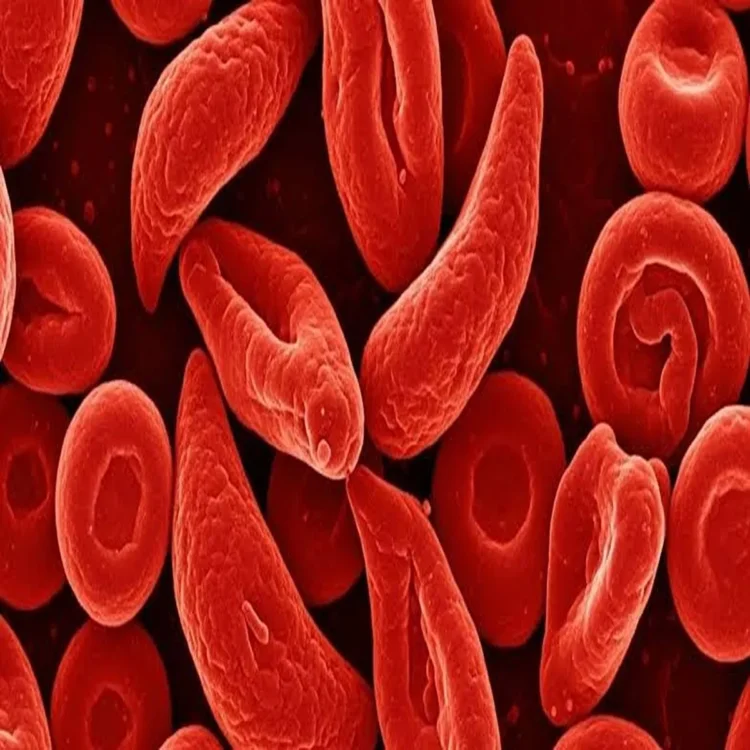
SickleCellDisease –India has made notable progress in addressing Sickle Cell Disease (SCD), a hereditary blood disorder that affects millions worldwide, particularly among tribal populations across several states. Marking World Sickle Cell Awareness Day, renowned translational scientist and Padma Shri recipient Dr. Yazdi Italia highlighted the achievements made over the past two decades while stressing the importance of expanding awareness, improving healthcare accessibility, and adopting advanced prevention strategies.
Gujarat Initiative Became a Turning Point
For many years, limited public awareness, delayed detection, and inadequate access to specialized medical care contributed to severe health complications among individuals living with Sickle Cell Disease. Patients frequently experienced painful episodes, chronic health issues, and reduced quality of life due to insufficient healthcare support.
A major shift occurred in 2006 when Gujarat introduced a comprehensive Sickle Cell Control Programme under the leadership of then Chief Minister Narendra Modi. The initiative focused on providing free screening services in tribal and rural regions, ensuring early diagnosis, offering genetic counseling, administering vaccinations, supplying essential medicines such as folic acid and hydroxyurea, and maintaining long-term patient follow-up.
Model Expanded Across the Country
According to Dr. Italia, the Gujarat programme successfully brought healthcare services closer to vulnerable communities and contributed to a significant reduction in disease-related complications and hospital admissions. The effectiveness of the approach later encouraged its adoption under the National Health Mission.
Building on this success, the Government of India launched the National Sickle Cell Anaemia Elimination Mission on July 1, 2023. The mission seeks to significantly reduce the impact of Sickle Cell Disease nationwide by the year 2047 through widespread screening, treatment, and awareness efforts.
Focus on Healthcare Equity
The theme for this year’s World Sickle Cell Awareness Day, “Closing the Survival Gap: Equity in Sickle Cell Disease,” highlights the global need for fair access to healthcare. The message emphasizes that every patient should receive timely diagnosis, proper treatment, and continuous medical support regardless of where they live or their economic circumstances.
Medical experts note that Sickle Cell Disease can lead to recurring pain episodes, chronic anaemia, frequent infections, organ damage, and, in severe cases, premature death. Factors such as dehydration, infections, physical strain, and extreme weather conditions can worsen symptoms. However, many complications can be reduced through regular medical monitoring, preventive vaccinations, proper hydration, patient education, and prompt treatment.
Government Support for Patients
To support affected individuals, the Government of India has incorporated various services under the Ayushman Bharat programme and the National Sickle Cell Anaemia Elimination Mission. Eligible patients can access free screening, diagnostic services, treatment, blood transfusions, emergency ambulance support, and care for disease-related complications.
In addition, several beneficiaries qualify for disability-related assistance and other social welfare schemes aimed at reducing the financial burden associated with long-term medical care.
Prevention and Advanced Medical Technologies
Healthcare specialists increasingly believe that prevention should become a central focus in future disease control efforts. Technologies such as In Vitro Fertilization (IVF) and Pre-Implantation Genetic Diagnosis (PGD) offer high-risk couples an opportunity to reduce the likelihood of passing severe genetic blood disorders to future generations.
Researchers are also making progress in developing innovative therapies. Emerging treatment options, including stem cell transplantation, bone marrow transplantation, and gene-editing technologies, are creating new possibilities for patients seeking long-term solutions.
Screening Data Highlights Scale of Challenge
Recent figures from the national programme reveal that more than seven crore people have undergone screening in regions where the disease is highly prevalent. Authorities have identified over 2.46 lakh individuals living with Sickle Cell Disease, along with more than 20 lakh carriers of the sickle cell trait.
These numbers underline both the scale of the public health challenge and the importance of sustained screening, counseling, and treatment programmes in the years ahead.
Continued Efforts Remain Essential
Dr. Italia acknowledged the contributions of policymakers, scientists, healthcare professionals, counselors, social organizations, government officials, and affected families who have supported the programme’s growth. He emphasized that public awareness remains one of the most critical factors in achieving long-term success.
Experts believe India is steadily moving toward reducing the burden of Sickle Cell Disease. Beyond medical treatment, the broader objective is to ensure healthier lives for future generations, timely care for patients, and greater hope and dignity for families affected by the condition.