
BorderSecurity – India and Bangladesh Hold Extensive Border Coordination Talks
BorderSecurity – Cross-border cooperation and border management remained at the centre of discussions during high-level talks between India and Bangladesh, with both countries reviewing security concerns and measures aimed at strengthening coordination along their shared frontier.-
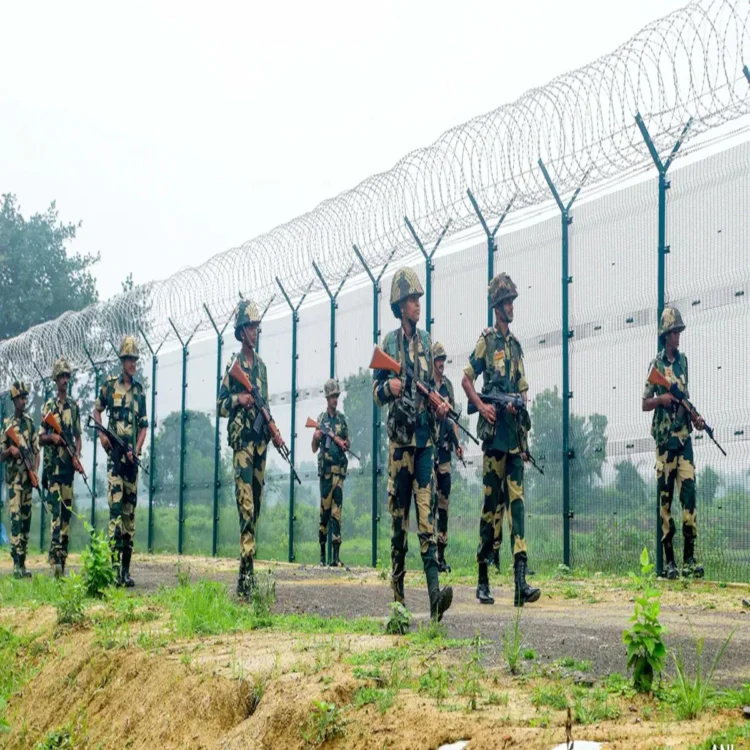
India and Bangladesh concluded four days of director general-level discussions in New Delhi, focusing on key border-related challenges, including border fatalities, unauthorized crossings, and transnational criminal activities. The meeting brought together senior officials from the two countries’ border guarding forces to evaluate existing arrangements and explore ways to improve cooperation.
Senior Delegations Lead Bilateral Discussions
The Bangladeshi delegation was led by Border Guard Bangladesh Director General Major General Mohammad Ashrafuzzaman Siddiqui, while the Indian side was headed by Border Security Force Director General Praveen Kumar. The 57th edition of the biannual border coordination conference took place at the BSF headquarters from June 8 to June 11.
Officials from both countries reviewed a wide range of operational issues affecting the international border and exchanged views on strengthening security mechanisms. The talks were aimed at ensuring smoother coordination between the two forces while maintaining stability in border regions.
Focus on Cross-Border Crime Prevention
One of the major areas of discussion involved efforts to curb illegal activities operating across the border. The delegations examined strategies to counter the smuggling of narcotics, weapons, counterfeit currency, gold, and other prohibited goods. Human trafficking and unlawful border movement also featured prominently during the deliberations.
Both sides assessed existing enforcement measures and discussed additional steps to improve vigilance. The exchange highlighted the importance of coordinated action in tackling criminal networks that operate across national boundaries.
Border Management and Security Cooperation
The conference also addressed issues related to accidental, illegal, and forced crossings in border areas. Discussions covered the construction of border infrastructure, implementation of the Coordinated Border Management Plan, and initiatives designed to strengthen trust between communities living near the international boundary.
Officials emphasized the need for closer collaboration to address emerging security concerns and adapt to changing challenges along the border. Enhanced communication and information-sharing mechanisms were identified as important tools for improving operational effectiveness.
Political Context Adds Significance
The meeting carried additional importance as it was the first director general-level interaction following political developments in both countries. Earlier this year, a BNP-led government assumed office in Dhaka, while a new BJP administration took charge in West Bengal.
West Bengal plays a particularly significant role in border management, as more than 2,200 kilometres of the 4,096-kilometre India-Bangladesh border passes through the state. The state government has recently reiterated its commitment to taking strict action against illegal infiltration and has outlined policies focused on identifying and deporting unauthorized entrants.
Agreement on Stronger Coordination
According to the official statement, both countries reaffirmed their shared commitment to preserving peace and stability along the border. They agreed to expand coordinated patrol operations, strengthen surveillance systems, improve real-time intelligence exchange, and deepen cooperation against cross-border criminal groups.
The discussions were described as constructive and forward-looking, reflecting the longstanding professional relationship between the BSF and BGB. Officials from both sides expressed confidence that continued engagement would contribute to safer and more secure border regions.
Awareness Among Border Communities
Another important aspect of the talks involved public awareness in border areas. The two sides underlined the importance of educating residents about the significance of respecting international boundaries and discouraging participation in illegal activities.
At the conclusion of the conference, both delegations expressed satisfaction with the progress made during the discussions and reiterated their intention to further strengthen mutual trust and cooperation. The meeting ended on a positive note, with officials expressing optimism about future engagement.
Notably, reports indicated that the customary joint press conference traditionally held after the signing of the final record of discussions was not conducted this year. The next round of talks is expected to take place in Dhaka in November, where the Indian delegation will participate in the follow-up discussions.