
Child Labour – Kharge Calls for Stronger Action to Safeguard Children’s Future
Child Labour- Congress president Mallikarjun Kharge has urged renewed national efforts to eradicate child labor, stressing that millions of children across India continue to face serious challenges related to health, education, and nutrition. His remarks came on the occasion of World Day Against Child Labor, observed globally to raise awareness about the protection of children’s rights.
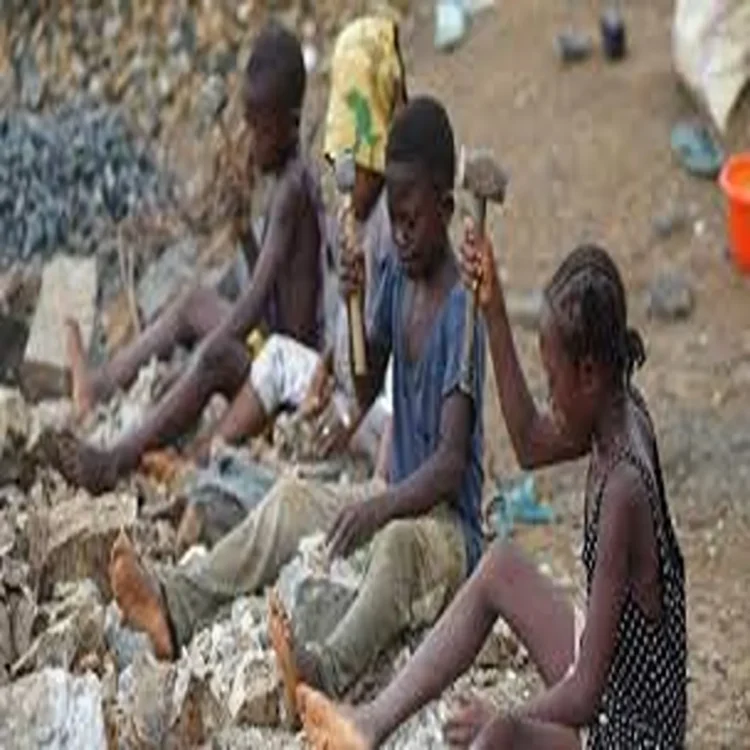
Child Labour Remains a Social Challenge
In a message shared on social media platform X, Kharge said every child deserves access to quality healthcare, education, safety, and a childhood free from exploitation. He emphasized that child labour should not be viewed solely as an economic concern but as a broader social injustice that deprives children of opportunities and a secure future.
According to him, children who are forced into work often lose access to education and essential support systems, creating long-term barriers to their development and well-being.
Progress Achieved but Concerns Persist
Kharge acknowledged that the Child Labour (Prohibition and Regulation) Act of 1986 played a significant role in reducing child labour across the country over the years. However, he expressed concern that several recent developments have created new challenges.
He pointed to legal changes, reductions in funding for child welfare initiatives, and the lasting economic impact of the COVID-19 pandemic as factors that have increased the vulnerability of many families. These pressures, he said, have contributed to situations where some children have returned to exploitative forms of work.
Nutrition Indicators Highlight Ongoing Issues
Drawing attention to child welfare data, Kharge cited findings from the National Family Health Survey (NFHS-6), which indicate that nutritional challenges continue to affect a large number of children.
The survey reported that 29.3 percent of children are stunted, 31.8 percent are underweight, and 19 percent are affected by wasting. These figures, he noted, reflect continuing concerns about child nutrition and overall development despite years of policy interventions.
Learning Outcomes Raise Educational Concerns
Kharge also highlighted difficulties within the education sector, referring to findings from a report released by NITI Aayog. The report revealed that many students in rural India struggle with basic reading and mathematics skills.
According to the data, 42 percent of Class 6 students, 36 percent of Class 7 students, and 29 percent of Class 8 students are unable to read material intended for Class 2-level learners. Similar challenges were observed in mathematics, where a majority of students in these grades were unable to solve basic division problems.
He said such figures underline significant learning gaps that require immediate policy attention and stronger educational support mechanisms.
Economic Growth Must Benefit Vulnerable Families
Kharge argued that economic expansion alone has not adequately addressed the hardships faced by many low-income households. He stated that while growth has generated opportunities, its benefits have not reached all sections of society equally.
As a result, financial difficulties continue to push some families toward decisions that affect children’s education and welfare, including sending them into the workforce instead of keeping them in school.
Call for Collective Responsibility
Marking World Day Against Child Labour, Kharge appealed for a united effort from governments, communities, institutions, and citizens to protect children’s rights. He called for stronger commitment toward ensuring that every child has the opportunity to study, develop skills, and live with dignity.
Observed annually on June 12, World Day Against Child Labour was established by the International Labour Organization in 2002. The day serves as a global platform to encourage action against child exploitation and promote safe, healthy, and educated childhoods for children worldwide.