
Semiconductor – Ashwini Vaishnaw Urges MNIT Students to Drive Chip Innovation
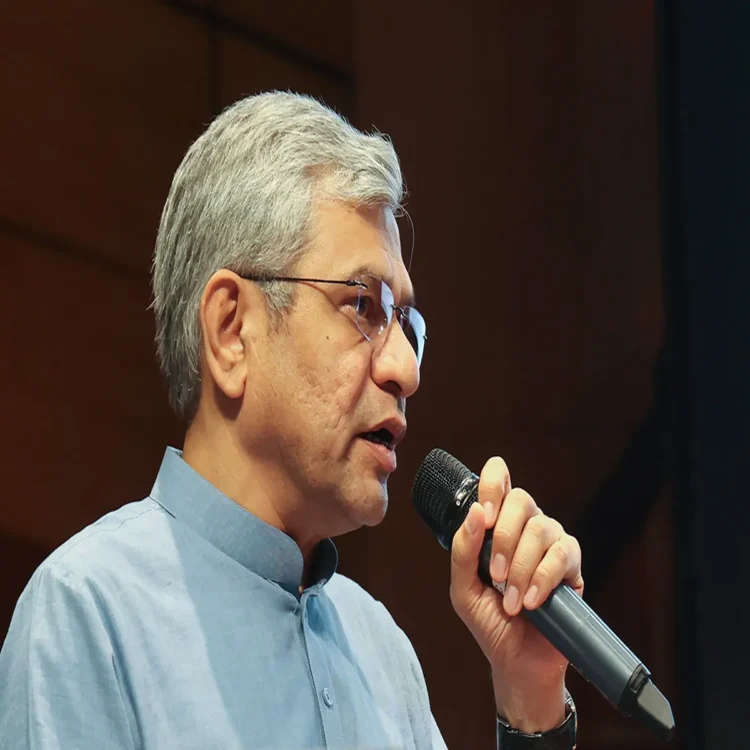
Semiconductor – Union Minister Ashwini Vaishnaw on Thursday unveiled a modern Makers Lab at Malaviya National Institute of Technology (MNIT) in Jaipur, encouraging students to take an active role in developing indigenous semiconductor technologies. Addressing a gathering of students, researchers and faculty members, the minister highlighted the importance of innovation-led growth and called on young engineers to contribute to India’s expanding technology landscape.
Focus on Emerging Technologies
Speaking at the institute’s Vivekananda Lecture Theatre Complex, Vaishnaw outlined the government’s vision for strengthening India’s position in advanced technology sectors. He announced plans to establish specialized facilities dedicated to semiconductor research, artificial intelligence, and quantum computing at MNIT Jaipur.
According to the minister, these new facilities will help students gain practical exposure to technologies that are expected to play a major role in shaping the future economy. He stressed that educational institutions must become centers of innovation capable of supporting the country’s technological ambitions.
Students Encouraged to Explore Chip Design
During an interactive session with students, Vaishnaw discussed the rapid transformation taking place under the Digital India programme. He highlighted the growing demand for skilled professionals in advanced technology industries and urged students to prepare themselves for emerging career opportunities.
The minister also conducted a quiz on semiconductor-related topics and developments in communication technology. Referring to the domestic production of nano-SIM cards, he described it as an important step toward reducing dependence on foreign technology and strengthening India’s manufacturing capabilities.
Advanced Infrastructure Planned for MNIT
A major announcement during the visit was the introduction of advanced semiconductor infrastructure at MNIT Jaipur. The institute is expected to receive modern simulation platforms and industry-standard design tools that will allow students to learn chip design and fabrication techniques through hands-on training.
These facilities are intended to provide researchers and students with access to cutting-edge resources commonly used in the semiconductor industry. The initiative is expected to improve research capabilities and create opportunities for innovation in one of the world’s fastest-growing technology sectors.
National Push for Semiconductor Education
Highlighting broader efforts by the central government, Vaishnaw said similar semiconductor-focused programmes are being introduced across 323 colleges throughout the country. He challenged MNIT students to move beyond theoretical learning and work toward creating complete semiconductor solutions, from design concepts to manufacturing.
Emphasizing the need for self-reliance in technology, the minister said India must emerge not only as a user of advanced technologies but also as a global creator of innovative products and solutions.
Railway and Digital Infrastructure Announcements
Apart from discussing technology initiatives, Vaishnaw also spoke about ongoing infrastructure projects. He said railway investments in border regions have been increased significantly, while redevelopment work at stations across Rajasthan is progressing rapidly.
The minister further announced improved rail connectivity, including plans to introduce daily Darbhanga-Ajmer train services within the next two months. He also shared details regarding the proposed establishment of an artificial intelligence data centre and additional facilities at MNIT Jaipur.
New FM Transmitter Strengthens Border Communication
Earlier in the day, Vaishnaw visited the Akashvani station in Jaipur and virtually inaugurated a newly installed 20-kilowatt FM transmitter at Ramgarh in Jaisalmer district.
He stated that the government is actively expanding broadcasting infrastructure in border regions to improve public communication networks. Efforts are underway across various parts of the country, from northern to western border areas, to strengthen FM radio and television coverage.
The newly commissioned transmitter is expected to improve radio signal quality and extend broadcasting reach in remote areas of Rajasthan. Officials believe the development will enhance access to public broadcasting services while strengthening communication infrastructure in strategically important border regions.