
Railways – Indian Railways Launches Nationwide Station Fire Safety Review Drive
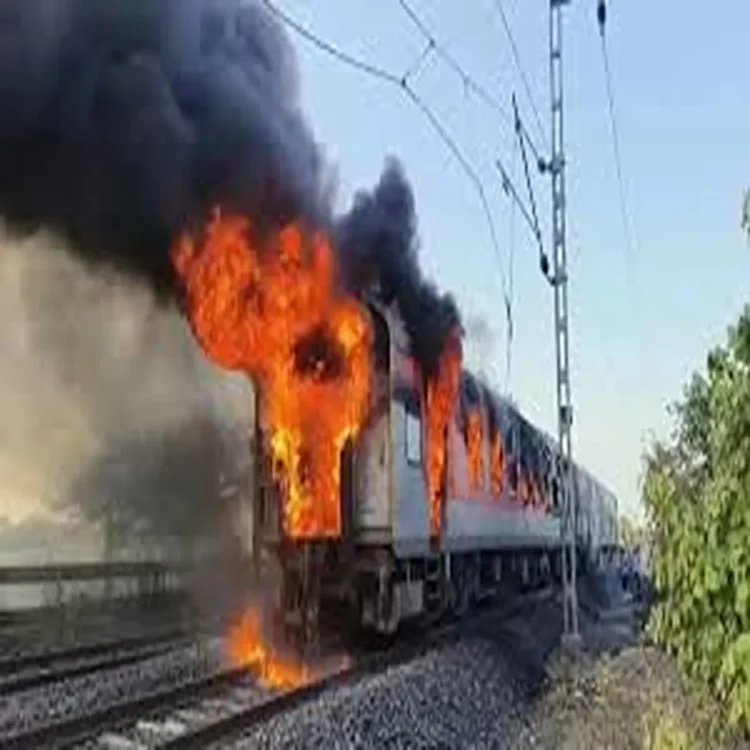
Railways – Indian Railways has announced a comprehensive fire safety audit programme covering railway stations across the country following a series of recent fire-related incidents. The initiative is aimed at strengthening emergency preparedness, improving passenger protection measures, and ensuring that critical railway infrastructure remains secure against potential fire hazards.
Comprehensive Assessment Planned Across Stations
According to officials, the nationwide exercise will involve a detailed inspection of important station facilities and safety systems. The review will focus on station buildings, electrical networks, air-conditioning units, ventilation arrangements, emergency evacuation routes, and firefighting equipment. Authorities will also examine whether existing safety measures are functioning effectively and identify areas where improvements may be required.
The Ministry of Railways stated that the audits are part of a broader effort to reinforce safety standards across the railway network. By conducting a thorough evaluation of existing systems, the organisation aims to reduce risks and enhance the overall level of preparedness at stations.
Focus on Emergency Readiness
As part of the inspection process, special attention will be given to resources that play a critical role during emergencies. These include water storage facilities, pumping systems, sprinkler installations, fire extinguishing arrangements, and other infrastructure designed to support firefighting operations.
Railway officials said the primary objective is to ensure that stations are capable of responding quickly and effectively in the event of a fire or any related emergency. The audit will also assess whether stations are meeting prescribed safety regulations and operational standards.
Any shortcomings identified during the inspections will be documented and addressed through corrective measures. The Railways has indicated that necessary improvements will be implemented without delay to minimise potential risks and strengthen safety mechanisms.
Joint Teams to Conduct Inspections
The audits will be carried out by joint inspection teams consisting of officials from multiple railway departments. This collaborative approach is expected to provide a comprehensive assessment of safety arrangements and help identify issues from different operational perspectives.
In addition to internal expertise, Indian Railways plans to seek support from specialised agencies wherever required. State Fire Departments will also be involved in the process when necessary, providing technical guidance and assistance during inspections.
Officials believe that cooperation between railway authorities and fire safety experts will help create a more effective evaluation framework and ensure that recommendations are implemented efficiently.
Safety Improvements to Receive Priority
The Ministry of Railways has confirmed that any upgrades recommended during the audit process will be taken up on a priority basis. Necessary improvements in infrastructure, equipment, and operational procedures will be carried out to strengthen fire prevention and emergency response capabilities at stations.
Authorities emphasised that the programme is not limited to identifying deficiencies but is also intended to establish long-term improvements that can enhance safety across the railway system. The initiative reflects a proactive approach toward risk management and emergency preparedness.
Continued Commitment to Passenger Protection
Indian Railways reiterated its commitment to maintaining high standards of safety and security throughout its network. The nationwide fire safety audit programme represents another significant step in its ongoing efforts to safeguard passengers, employees, and railway assets.
With thousands of passengers using railway stations every day, officials believe that regular reviews of safety infrastructure are essential to ensuring reliable emergency response systems. The latest initiative is expected to contribute to stronger safety practices and improved readiness across stations nationwide