
Iran Conflict – Trump Predicts Fuel Costs Will Ease After Tensions End
Iran Conflict – President Donald Trump has expressed confidence that gasoline prices across the United States will fall sharply once the ongoing confrontation involving Iran reaches a conclusion. Speaking about the economic effects of the situation, he said temporary increases in fuel and agricultural input expenses are a necessary consequence of efforts aimed at preventing Iran from acquiring nuclear weapons.
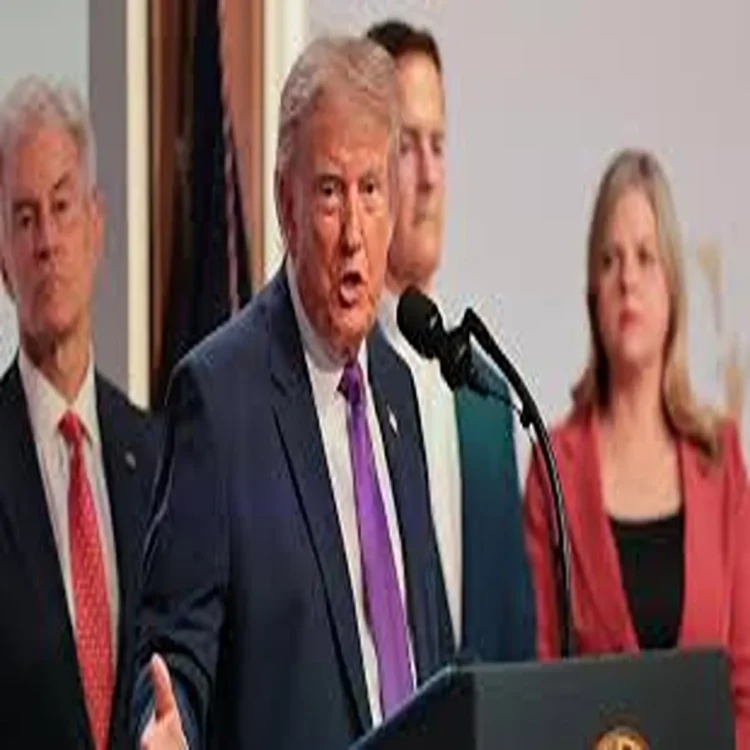
Trump Addresses Concerns Over Rising Costs
During an interview with NBC’s Meet the Press, Trump acknowledged that higher energy-related expenses have created challenges for many American farmers. However, he argued that the financial strain is expected to be temporary and justified by the broader national security objectives pursued by his administration.
According to Trump, fuel prices are likely to decline significantly after the conflict is resolved. He maintained that current increases in gasoline and fertilizer costs should not be viewed as long-term economic burdens.
Political Pressure Grows Amid Economic Impact
The President’s comments come as his administration faces increasing scrutiny over the domestic economic consequences of the conflict. Trump noted that the military campaign has now crossed the 100-day mark since the first U.S. strikes were launched against Iranian targets.
Critics have raised concerns about the impact of higher operational costs on farmers and rural communities. Responding to those concerns, Trump said agricultural workers continue to support him because of the assistance and policies implemented during his previous term in office.
Support for Farmers Highlighted
Trump pointed to financial aid programs introduced during his first administration, emphasizing that billions of dollars were directed toward helping farmers navigate economic difficulties. He said the farming community understands the reasons behind the current policy decisions and remains confident in his leadership.
The President explained that he faced a difficult choice between preserving lower energy costs and taking action against what he described as the threat posed by Iran’s nuclear ambitions. In his view, addressing that security concern required accepting short-term economic effects.
Future Fuel Prices Linked to Conflict Outcome
Trump repeatedly connected future declines in gasoline prices to either a diplomatic agreement with Tehran or the successful completion of U.S. military objectives. He predicted that fuel costs would eventually fall below previous levels, although he acknowledged that the timeline would depend on how events develop.
He suggested that a negotiated settlement could lead to an earlier reduction in energy prices. If diplomacy fails, he said, lower fuel costs would likely follow once military operations have concluded.
President Defends Military Strategy
Throughout the interview, Trump defended his handling of the conflict and dismissed suggestions that the United States could become involved in a lengthy overseas military engagement. He argued that American actions have already weakened Iran’s capabilities and reduced potential threats.
When questioned about the possibility of a prolonged military commitment, Trump expressed confidence that the situation would not evolve into an extended conflict. He maintained that the campaign has clear objectives and is not intended to result in a long-term presence.
Strong Jobs Data Cited as Economic Evidence
Alongside his comments on foreign policy and energy prices, Trump pointed to recent employment figures as a sign of economic strength. He described the latest U.S. jobs report as stronger than expected and said it demonstrated the resilience of the American economy despite geopolitical tensions.
According to the President, labor market performance remains robust, and broader economic indicators continue to reflect positive momentum. He argued that the country’s economic foundation remains solid even as international developments influence energy markets and business costs.