
HumanRights – EU Trade Benefits for Pakistan Face Renewed Scrutiny Over Minority Rights Concerns
HumanRights – Concerns surrounding Pakistan’s human rights record have once again sparked debate over the European Union’s decision to continue granting the country significant trade advantages under a special economic arrangement.
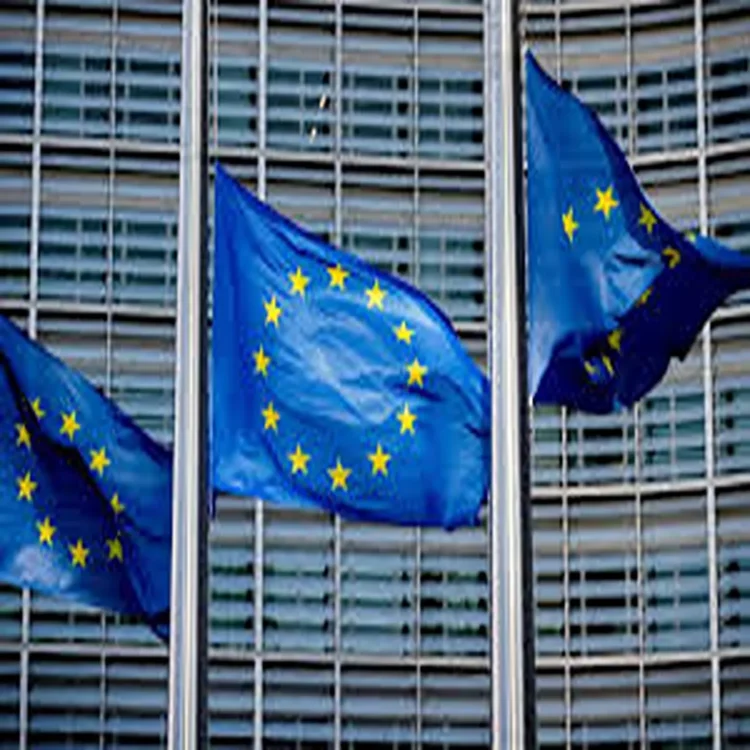
The European Union has increasingly come under criticism from rights advocates and policy observers who argue that Pakistan has not delivered the reforms expected under the Generalised Scheme of Preferences Plus (GSP+), a framework that offers favorable access to European markets in exchange for progress on human rights, labor protections, and governance standards.
Questions Raised Over GSP+ Commitments
Several human rights organizations have voiced concerns about the effectiveness of the agreement since Pakistan became a beneficiary in 2014. Among them, the Brussels-based group Human Rights Without Frontiers has previously questioned whether the arrangement should remain in place, citing what it describes as a lack of substantial improvement in key human rights areas.
Critics argue that the continued trade incentives have not been matched by meaningful progress on international obligations that Pakistan agreed to uphold. They believe the EU should reassess the benefits if measurable reforms are not achieved.
Concerns for Religious Minorities
Human rights commentators have repeatedly highlighted the challenges faced by religious minority communities in Pakistan. According to reports and advocacy groups, Christians, who represent a small percentage of the country’s population, continue to face discrimination, social exclusion, and security concerns.
Journalist Uzay Bulut, writing for PJ Media, noted that members of the Christian community often encounter difficulties ranging from economic marginalization to violence linked to blasphemy accusations. She argued that despite these ongoing concerns, Pakistan continues to enjoy considerable economic advantages through its trade relationship with the European Union.
Under the GSP+ arrangement, Pakistan receives preferential or duty-free access for a large share of its exports entering European markets, creating important economic opportunities for the country.
Case Highlights Vulnerabilities of Young Girls
One recent case cited in discussions about minority rights involved a 14-year-old Christian girl who reportedly disappeared in May. Her family and legal representatives alleged that she was abducted by a married Muslim man, forcibly converted to Islam, and subjected to abuse before being married against her will.
According to accounts provided by her father, Abbas Masih, the teenager, identified as Nisha Bibi, had been employed as a domestic worker before her disappearance. The family has maintained that the circumstances surrounding the case demonstrate the risks faced by vulnerable girls from minority backgrounds.
Rights advocates say such incidents have fueled longstanding concerns regarding forced conversions, child marriages, and the protection of minors within the country.
Broader Human Rights Debate Continues
Observers argue that legal frameworks, social pressures, and cultural practices can contribute to unequal treatment of women and girls, particularly those belonging to minority communities. Human rights groups have urged authorities to strengthen protections and ensure that allegations of abuse are thoroughly investigated.
At the same time, critics of the current EU-Pakistan trade arrangement maintain that economic benefits should be linked more closely to measurable progress in areas such as religious freedom, minority protection, labor rights, and governance reforms.
The debate continues as policymakers, advocacy organizations, and international observers assess whether Pakistan has fulfilled the commitments associated with its preferential trade status. Human rights campaigners insist that stronger accountability measures may be necessary if meaningful improvements are to be achieved in the future.