
GujaratPolitics – Internal BJP Disputes Surface Through Viral Audio Controversies
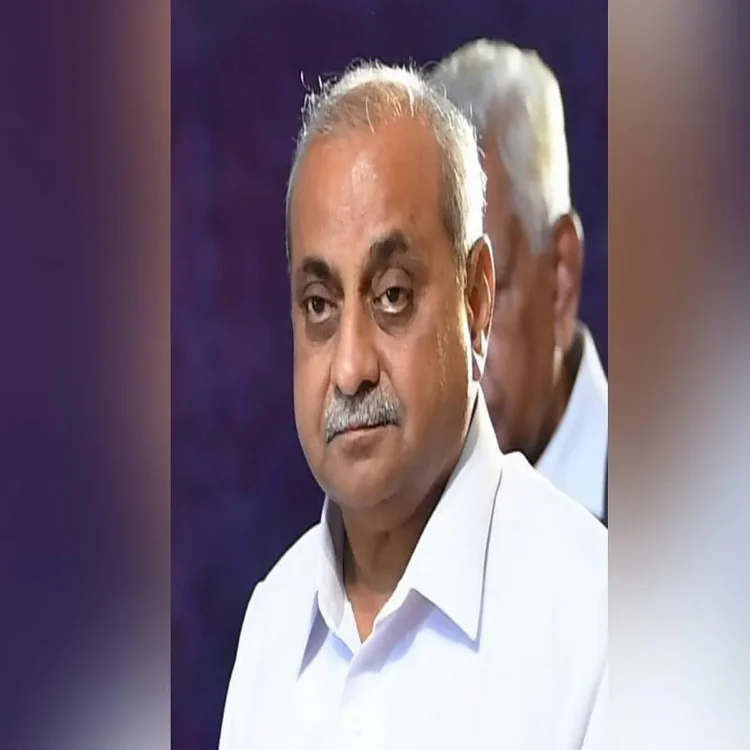
GujaratPolitics – The Bharatiya Janata Party in Gujarat is facing renewed scrutiny after a series of audio recordings circulated widely on social media, bringing internal disagreements into public discussion. What started with a clip allegedly linked to former deputy chief minister Nitin Patel has now expanded into a larger political issue. A separate audio recording, reportedly featuring BJP legislator C J Chavda, who previously joined the party after leaving Congress, has also attracted attention online. The developments have prompted conversations about growing dissatisfaction among certain sections of the party organization.
Social Media Amplifies Internal Concerns
Political analysts note that social media platforms have increasingly become a channel through which frustrations within party ranks are expressed. Similar incidents involving leaked audio recordings have emerged in previous years, indicating that such episodes are not entirely new to Gujarat’s political environment. Observers suggest that concerns raised by grassroots workers sometimes take considerable time to reach senior leadership, creating space for discontent to spread. The recent circulation of these recordings has once again raised questions about whether party leaders will focus on identifying the source of leaks or address the underlying issues being discussed.
Debate Intensifies Over Representation in Local Governance
A separate controversy has emerged within the Ahmedabad Municipal Corporation, drawing attention to the role of elected women representatives in civic administration. The issue arose during a coordination committee meeting in Sarkhej ward that was attended by BJP MLA Amit Thakar. According to reports, two recently elected women corporators were represented at the meeting by their husbands, leading to criticism from various quarters.
The incident has revived discussion around the practice commonly referred to as the “corporator husband” culture. Family members of the elected representatives stated that the husbands attended only briefly or due to practical circumstances. However, some local sources claim that spouses often play a significant role in handling public complaints, communication with officials, and follow-up work related to municipal matters. The episode has once again highlighted concerns regarding the effective participation of elected women in local decision-making processes.
Mass Resignations Trigger Political Turmoil in Sabarkantha
Another challenge has surfaced for the BJP in Sabarkantha district, where a major dispute has shaken the party’s municipal leadership. Fifteen corporators from the Prantij municipality submitted their resignations together, creating a significant political stir. The matter gained widespread attention after a resignation letter signed by the group was shared on social media.
Despite the BJP holding a comfortable majority in the 24-member municipal body, the coordinated resignations have exposed divisions within the local unit. The protesting corporators have reportedly accused municipal president Anita Pandya of failing to adequately involve elected members in decision-making. They have also raised concerns about what they describe as excessive influence exercised by her husband in municipal affairs.
Questions Over Managing Local-Level Dissent
The developments in Sabarkantha have fueled speculation about the party’s ability to maintain unity at the grassroots level. Political observers believe the episode reflects broader challenges associated with balancing organizational discipline and local leadership expectations. While the BJP continues to remain politically dominant in the region, the recent unrest has underscored the importance of addressing concerns before they escalate into larger disputes.
With controversies emerging simultaneously from different parts of Gujarat, attention is now focused on how party leaders respond to growing signs of dissatisfaction among local representatives and workers. The coming weeks may determine whether these issues remain isolated incidents or evolve into a more significant organizational challenge.