
Diplomacy – Zimbabwe Secures Key UN Security Council Role for 2027-2028
Diplomacy – Zimbabwe has achieved a notable diplomatic success after winning election to a non-permanent seat on the United Nations Security Council (UNSC) for the 2027-2028 term. The result reflects broad international support for the southern African nation and marks an important step in its efforts to strengthen engagement with the global community.
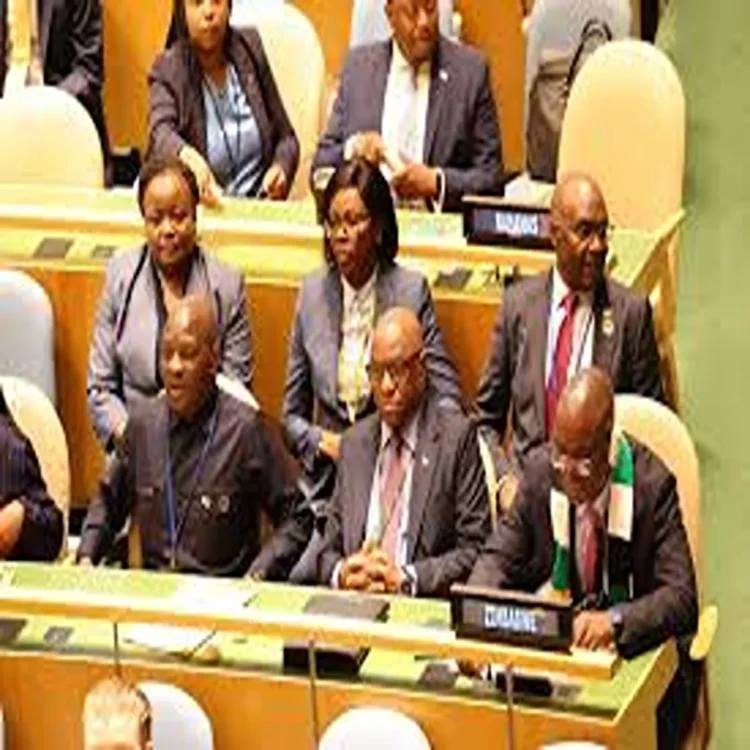
President Highlights Diplomatic Achievement
Reacting to the outcome, Zimbabwean President Emmerson Mnangagwa described the election as a landmark moment for the country. He said the strong backing received from United Nations member states demonstrates growing confidence in Zimbabwe’s role in international affairs and validates the country’s diplomatic outreach efforts in recent years.
According to the president, Zimbabwe intends to use its position on the Security Council to contribute constructively to discussions on peace, security, and international cooperation. He also emphasized the country’s commitment to supporting a more balanced global system while helping amplify African perspectives on key international issues.
Five Nations Chosen for Security Council Seats
Zimbabwe was elected alongside Austria, Kyrgyzstan, Portugal, and Trinidad and Tobago. The five countries will serve as non-permanent members of the Security Council for a two-year term beginning on January 1, 2027, and ending on December 31, 2028.
Their election means they will replace the current outgoing non-permanent members: Denmark, Greece, Pakistan, Panama, and Somalia. As members of the council, the newly elected nations will participate in deliberations and decision-making on some of the world’s most pressing security challenges.
Zimbabwe Returns to the Council
This will be Zimbabwe’s third period of service on the Security Council. The country previously held a non-permanent seat during the 1983-1984 and 1991-1992 terms. The latest election therefore marks a return to one of the most influential decision-making bodies within the United Nations after more than three decades.
Voting Process and Election Outcome
To secure a seat on the Security Council, candidates must receive support from at least two-thirds of member states participating and voting in the United Nations General Assembly. If all 193 member nations take part in the vote, a minimum of 129 affirmative votes is required for election.
This year’s contest featured seven candidates competing for five available positions. Austria, Portugal, Trinidad and Tobago, and Zimbabwe secured enough support during the first round of voting. However, the remaining seat required additional rounds of voting before Kyrgyzstan ultimately emerged victorious over the Philippines in a competitive race.
Structure of the Security Council
The United Nations Security Council consists of 15 members. Five countries — Britain, China, France, Russia, and the United States — hold permanent seats. The remaining 10 positions are occupied by non-permanent members elected for fixed terms.
These non-permanent seats are distributed among different regional groups to ensure broad geographic representation. Half of the elected seats are renewed each year, allowing for regular rotation among member states.
Role and Importance of the Council
Widely regarded as the most powerful organ within the United Nations system, the Security Council carries primary responsibility for maintaining international peace and security. Its decisions can be legally binding on member states and may include sanctions, peacekeeping mandates, and authorization of the use of force when necessary.
The inclusion of Zimbabwe and the other newly elected countries is expected to bring fresh regional perspectives to the council’s work as it addresses global conflicts, security threats, and international diplomatic challenges in the coming years.