
WorldCup – North America Strengthens Security Plans for Historic 2026 Tournament
WorldCup – As preparations intensify for the 2026 FIFA World Cup, United States officials say an extensive security framework is being developed to manage what is expected to be one of the largest sporting events ever held. With millions of spectators anticipated to travel across North America during the tournament, federal agencies are coordinating with local authorities to ensure public safety throughout the competition.
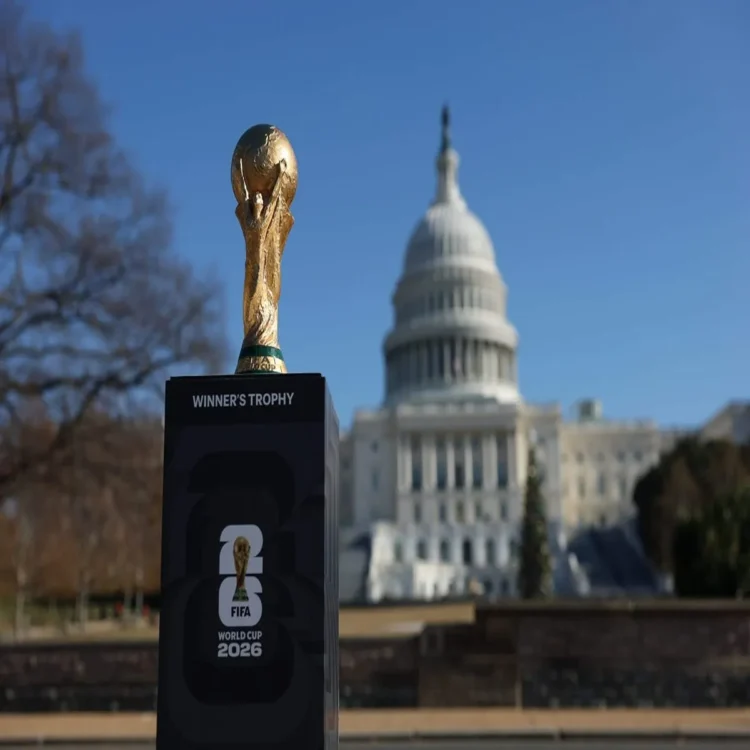
Massive Event Demands Extensive Planning
Speaking during a Senate Appropriations Subcommittee hearing focused on the Department of Homeland Security’s proposed fiscal year 2027 budget, Homeland Security Secretary Markwayne Mullin outlined the scale of the operation. Lawmakers sought details about the department’s readiness to oversee security arrangements for a tournament that will span multiple countries and host cities.
Senator Bill Hagerty raised concerns about the arrival of large numbers of international visitors and questioned how federal authorities plan to address potential security risks. The discussion centered on ensuring that transportation systems, public venues, and surrounding communities remain safe during the month-long competition.
Coordination Across Multiple Levels of Government
Mullin told lawmakers that planning efforts have been underway for an extended period and involve cooperation among federal agencies, state governments, municipal authorities, and law enforcement departments. He noted that preparations require detailed coordination because of the large number of matches, venues, and expected attendees.
According to the secretary, security teams are working closely with host cities to strengthen protective measures around stadiums and public gathering areas. Authorities are reviewing venue layouts, improving crowd movement strategies, and implementing traffic management plans designed to reduce congestion and improve emergency response capabilities.
Focus on Stadium and Crowd Safety
Officials are also conducting security assessments at tournament locations to identify and address potential vulnerabilities. These efforts include securing event perimeters, improving access controls, and creating plans to manage large crowds safely and efficiently.
Mullin emphasized that cooperation from local governments has played an important role in advancing preparations. He said host cities across the country have worked alongside federal authorities to develop security strategies aimed at protecting visitors while ensuring the event runs smoothly.
The secretary described the challenge as comparable to organizing dozens of major championship events within a short period. The World Cup schedule will feature matches across numerous cities over several weeks, requiring continuous coordination among agencies responsible for public safety, transportation, and emergency management.
Challenges and Expectations Ahead
While acknowledging that previous government funding disruptions affected some planning timelines, Mullin said the Department of Homeland Security remains fully committed to delivering a secure tournament environment. He stressed that agencies continue to work daily on preparations and remain focused on minimizing risks before and during the competition.
Security officials are expected to maintain heightened vigilance throughout the event, given the global attention the tournament will attract. Authorities are preparing for a wide range of scenarios, including crowd-related incidents, cyber threats, transportation challenges, and other security concerns that can accompany large international gatherings.
Largest FIFA World Cup in History
The 2026 FIFA World Cup will be jointly hosted by the United States, Canada, and Mexico. The tournament will mark the first edition featuring 48 national teams, making it the largest World Cup ever organized. Matches will be played across numerous cities throughout North America, drawing fans from around the world.
Industry analysts expect the event to generate significant economic activity while boosting tourism and international engagement. Federal agencies, including the Department of Homeland Security, the Federal Bureau of Investigation, Customs and Border Protection, the Secret Service, and local law enforcement organizations, have spent years developing security frameworks designed to support the safe and successful delivery of the tournament.