
Diplomacy – Netanyahu Halts Beirut Operation Following Trump Intervention
Diplomacy – Israeli Prime Minister Benjamin Netanyahu reportedly abandoned plans for a large-scale military operation in Beirut after a direct conversation with US President Donald Trump. The development emerged on Monday, with Trump later publicly stating that he had urged the Israeli leader to avoid escalating military action in Lebanon.
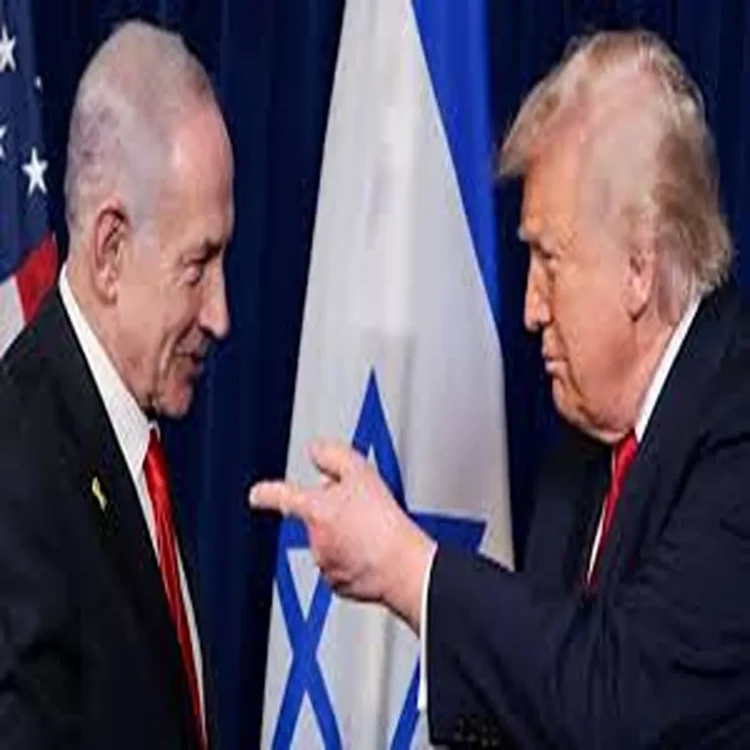
According to Trump, the discussion resulted in Israel changing its immediate military plans. Posting on his social media platform, Truth Social, the US president said he personally requested Netanyahu not to proceed with a major strike on Beirut and claimed the Israeli government responded by pulling back its forces.
Regional Tensions Raise International Concerns
The reported intervention came at a sensitive moment in the Middle East, where tensions have intensified in recent days. Concerns grew after reports suggested that Iran was considering stepping away from ongoing discussions with Washington due to Israel’s military activities in Lebanon.
Before the reported decision to halt the operation, Netanyahu had issued warnings that Israel would continue targeting what it described as militant infrastructure in Beirut if attacks by Hezbollah against Israeli territory persisted. The exchange of threats further heightened fears of a broader regional confrontation.
Trump Claims Role in Temporary De-Escalation
In addition to speaking with Netanyahu, Trump said he had also communicated with individuals connected to Hezbollah leadership. According to his account, both parties indicated a willingness to suspend attacks.
Trump stated that Hezbollah representatives agreed to stop firing toward Israel, while Israel similarly agreed to cease attacks against Hezbollah positions. He expressed hope that the pause in hostilities would continue indefinitely, though no independent confirmation of such an arrangement was immediately available.
The statements reflected ongoing efforts to prevent the conflict from expanding further as international observers closely monitored developments along the Israel-Lebanon border.
Reports Describe Heated Exchange Between Leaders
Meanwhile, a report published by Axios suggested that the conversation between Trump and Netanyahu was marked by unusually strong language and visible frustration.
Citing unnamed US officials, the report claimed that the discussion became tense as Trump expressed anger over Israel’s military plans. Sources quoted by the publication alleged that the US president strongly criticized Netanyahu and pressed him to reconsider any major operation in Beirut.
Another official reportedly described the call as one in which Trump dominated the discussion, ultimately convincing Netanyahu to step back from the planned action. While neither government officially commented on the details of the reported exchange, the claims attracted significant attention in diplomatic circles.
Uncertainty Surrounds Iran Negotiations
Separately, Trump addressed reports concerning negotiations involving Iran. Speaking briefly with NBC News, he indicated that the United States had not received official notification that talks had been suspended.
The president suggested that Washington was not overly concerned about the status of the discussions, emphasizing that diplomatic channels remained important. He noted that any potential breakdown in talks would not automatically lead to a broader military response by the United States.
His comments came as policymakers continued evaluating the impact of recent military exchanges involving American and Iranian forces.
Ceasefire Faces Growing Pressure
The latest developments unfolded against the backdrop of a fragile ceasefire that has been under strain following several days of military activity. Over the weekend and into Monday, strikes involving US and Iranian forces increased concerns that the truce could unravel.
Despite efforts aimed at reducing tensions, Israeli military operations in Lebanon have continued. Reports indicate that Israeli forces carried out one of their most significant incursions into Lebanese territory in more than two decades during the weekend, underscoring the continuing volatility of the conflict.
As diplomatic contacts continue and military activity remains under close scrutiny, regional leaders and international partners face growing pressure to prevent further escalation and preserve stability across the Middle East.