
Cartels – US Military Expands Operations Against Suspected Drug Boats in Pacific
Cartels – The United States military carried out another strike in the eastern Pacific Ocean on Wednesday, targeting a vessel suspected of being linked to drug trafficking activities. According to US Southern Command, two men were killed during the operation after the boat was destroyed in an explosion at sea.
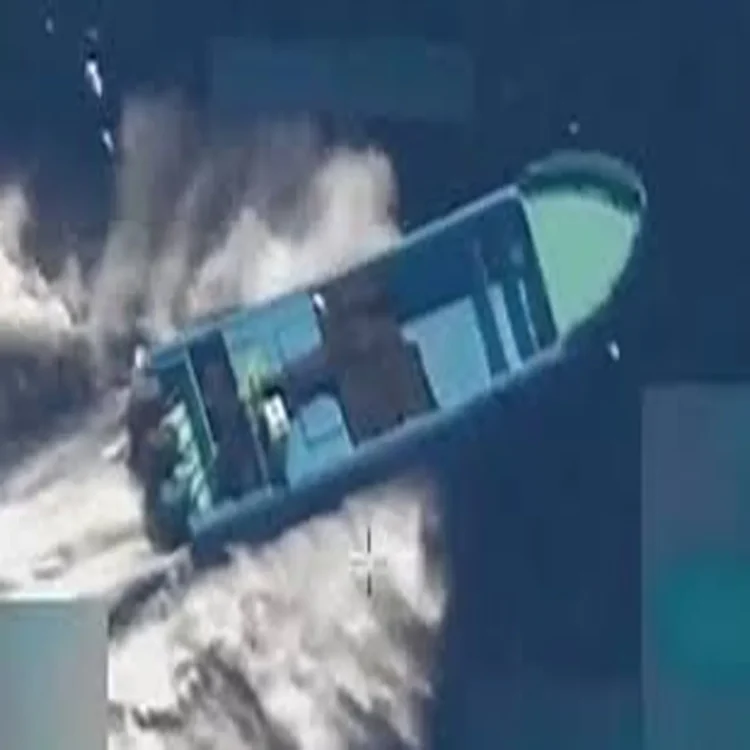
Video footage shared by the military on social media showed the vessel floating in open waters moments before the blast. In the final seconds of the recording, thick smoke and flames could be seen rising from the damaged boat.
Second Strike Reported Within Two Days
The latest operation came only one day after another similar strike in the same region. During Tuesday’s mission, one person was killed while two others survived after their boat was attacked by US forces.
Southern Command stated that the US Coast Guard was alerted immediately following the incident so rescue teams could respond to assist the survivors. Officials did not release additional information regarding the identities or nationalities of those involved in either operation.
The eastern Pacific has remained a major route for illegal narcotics transportation between Latin America and North America for several years. US authorities say criminal networks often use small vessels to move cocaine and other drugs across international waters.
Ongoing Anti-Trafficking Campaign
The recent strikes are part of a wider military campaign launched by the Trump administration earlier this year. Since September, the United States has increased direct action against boats believed to be connected to drug-smuggling groups operating in the Caribbean Sea and the Pacific Ocean.
Reports indicate that at least 196 people have died during these maritime operations so far. The campaign has drawn international attention because of the growing use of military force in anti-drug missions outside US territorial waters.
Despite repeated claims that the targeted boats were connected to narcotics trafficking, the military has not publicly released evidence confirming that drugs were found on the destroyed vessels. That absence of detailed proof has led to criticism from legal experts and some members of Congress.
Pentagon Review Underway
Last week, the Pentagon’s inspector general announced a formal review into whether military officials followed established targeting procedures during the strikes. The review was initiated internally and will focus on how operational decisions were made before attacks were authorized.
Under the US military’s Joint Targeting Cycle, commanders are expected to complete several stages before approving force. These steps include identifying a target, analyzing intelligence, assessing risks, executing operations and reviewing the outcome afterward.
Officials clarified that the review will not examine whether the strikes themselves were legally justified under international or domestic law. Instead, investigators will evaluate whether standard military processes were properly followed during planning and execution.
Debate Continues Over Strategy
The administration has defended the operations by arguing that Latin American drug cartels pose a major threat to public safety in the United States. Government officials say trafficking organizations are responsible for large quantities of illegal narcotics entering the country, contributing to overdose deaths and addiction problems in many communities.
However, critics have questioned whether military strikes at sea are an effective long-term strategy against organized crime. Some lawmakers and legal scholars have raised concerns about transparency, civilian safety and the risk of escalating violence in international waters.
The debate is expected to continue as the Pentagon review moves forward and additional details about the operations become available in the coming weeks.