
TradeAgreement – India and Canada Push Ahead With New Economic Partnership
TradeAgreement – India and Canada have moved closer to strengthening their economic partnership as both countries signaled fresh progress in negotiations for a long-awaited trade agreement. Discussions surrounding the proposed Comprehensive Economic Partnership Agreement (CEPA) gathered momentum during meetings held in Ottawa between senior leaders from the two nations.
Leaders Highlight Positive Momentum in Trade Discussions
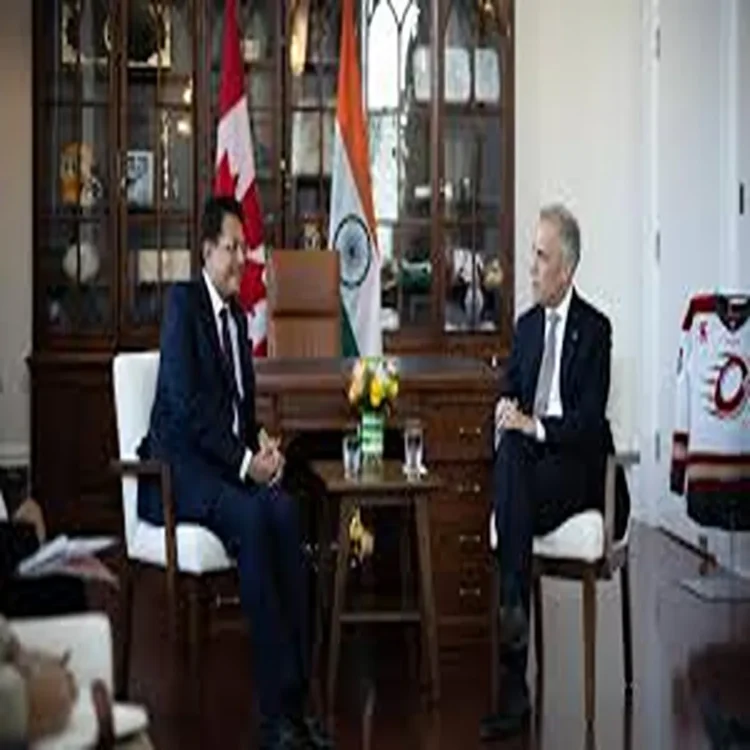
Union Commerce and Industry Minister Piyush Goyal met Canadian Prime Minister Mark Carney during his official visit to Canada and conveyed greetings from Prime Minister Narendra Modi. Following the meeting, Goyal said the discussions focused on expanding economic cooperation and accelerating progress on the proposed trade pact.
According to the minister, both countries are optimistic that the agreement can be concluded soon, creating new opportunities for trade, investment, and industrial growth. He noted that recent diplomatic engagement between New Delhi and Ottawa has helped rebuild confidence and improve bilateral ties.
Canada Calls Proposed Deal a Major Economic Opportunity
Canadian Prime Minister Mark Carney also underlined the significance of the ongoing negotiations, describing the proposed agreement as an important opportunity for Canadian businesses and workers. In a statement shared on social media, Carney said the deal could provide Canadian industries with access to one of the world’s fastest-growing markets.
The Canadian leader stated that officials from both sides are working at a rapid pace to move the negotiations forward. He added that India and Canada are exploring stronger cooperation in sectors including clean energy, agri-food, technology, and higher education.
The remarks reflected a broader effort by both governments to reset diplomatic and economic relations after a period of strain in recent years.
India Targets Larger Trade Volumes by 2030
Piyush Goyal arrived in Ottawa for a three-day official visit aimed at deepening commercial ties and speeding up discussions on the CEPA framework. During a joint interaction with Canadian International Trade Minister Maninder Sidhu, Goyal said leaders from both nations have set ambitious economic goals.
The Indian minister stated that New Delhi hopes not only to complete the free trade agreement before the end of the year, but also to significantly increase bilateral trade over the next several years. Officials from both countries are aiming to raise annual trade volumes to nearly USD 50 billion by 2030.
Goyal said the recent visit of Prime Minister Mark Carney to India earlier this year played a key role in reviving discussions and establishing a new direction for the relationship between the two countries.
Large Indian Business Delegation Visits Canada
Highlighting India’s commitment to stronger commercial engagement, Goyal said he travelled to Canada with the largest Indian business delegation ever to accompany an official visit abroad. More than 100 Indian companies are participating in the visit, reflecting growing interest from industry leaders in expanding trade and investment links with Canada.
The minister expressed confidence that cooperation between businesses, policymakers, and trade officials would accelerate negotiations and help both countries unlock long-term economic benefits.
Industry observers believe a successful CEPA agreement could improve market access, reduce trade barriers, and encourage investment across several key sectors. Businesses on both sides are closely watching the talks, particularly in areas such as technology services, agriculture, manufacturing, clean energy, and education partnerships.
The renewed push for economic cooperation comes at a time when countries worldwide are seeking stronger trade alliances to support growth and diversify supply chains. For India and Canada, the proposed agreement is increasingly being viewed as a strategic step toward building a more stable and mutually beneficial economic relationship.