
Ladakh – Fresh Dialogue Raises Hope Amid Growing Regional Tensions
Ladakh – Activist and education reform advocate Sonam Wangchuk has described the latest round of discussions between Ladakh representatives and the Central government as an encouraging development, though he stressed that lasting confidence among residents would depend on practical decisions rather than verbal assurances.
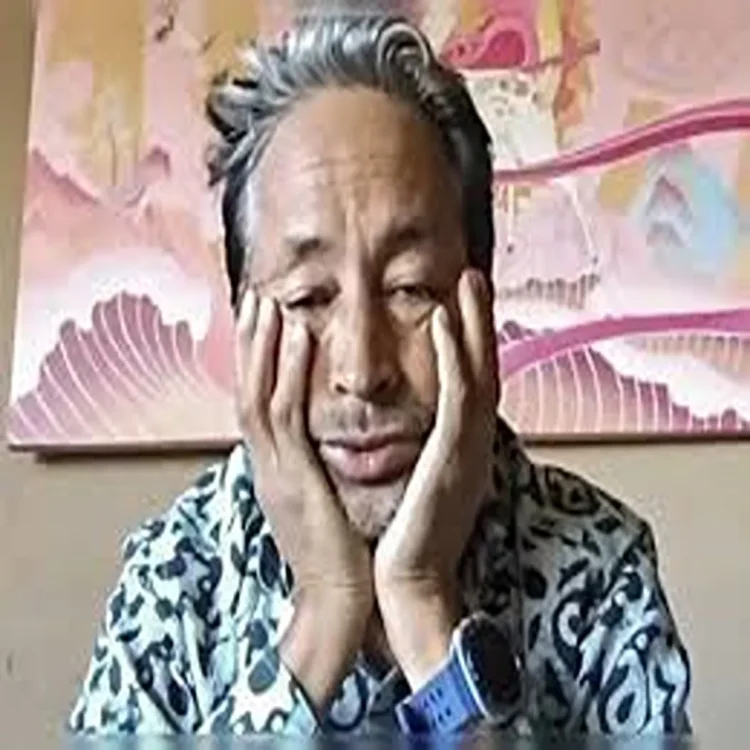
The meeting, held between leaders from Ladakh and a sub-committee formed by the Ministry of Home Affairs, has generated cautious optimism across the Union Territory. Wangchuk, who participated in the talks, said the atmosphere following the interaction appeared more constructive than in recent months. However, he maintained that public trust would only strengthen if unresolved concerns linked to earlier protests and governance-related disagreements are addressed in a meaningful way.
Concerns Over Rising Divisions
Speaking about the recent situation in Ladakh, Wangchuk warned that tensions had intensified significantly in the region over the past few months. According to him, differences between communities and political groups had become increasingly visible, creating an atmosphere of uncertainty and emotional strain.
He said the situation had become serious enough to raise fears of instability similar to the ethnic and communal unrest witnessed in Manipur. Referring to the growing disagreements in both Leh and Kargil, Wangchuk noted that friction had been visible across different sections of society, including among Buddhist and Muslim communities.
His remarks highlighted concerns that prolonged delays in resolving key demands could further deepen mistrust among local groups and create long-term social challenges in the sensitive Himalayan region.
Recent Meeting Changes Outlook
Wangchuk admitted that he had been deeply disappointed in recent months, especially after his detention earlier this year during protests linked to Ladakh’s constitutional and administrative demands. He said the latest engagement with the Centre had slightly improved his outlook after a difficult period marked by frustration and uncertainty.
According to him, the recent interaction suggested that communication channels between Ladakh leaders and the government may once again be opening. Even so, he made it clear that dialogue alone would not be enough to calm public concerns unless visible progress follows in the coming weeks.
The activist has been among the leading voices demanding stronger constitutional safeguards and greater protection for Ladakh’s cultural and environmental identity since the region became a Union Territory in 2019.
Focus Remains on Pending Issues
Several civil society groups and regional leaders in Ladakh have continued to seek action on a range of demands, including statehood, constitutional safeguards under the Sixth Schedule, job protection, and measures to preserve local resources and traditions.
While the latest meeting has reduced some immediate tensions, uncertainty remains over whether the Centre will accept or implement any major proposals. Wangchuk suggested that promises related to “trust-building” and “meaningful engagement” would only gain credibility if accompanied by concrete policy decisions.
Observers believe the coming weeks could prove important for relations between the government and Ladakh’s leadership, particularly as public expectations continue to rise following months of protests and negotiations.
Public Sentiment Still Sensitive
Despite the positive tone emerging from the latest discussions, Wangchuk cautioned that the emotional environment in Ladakh remains fragile. He emphasized that restoring social harmony would require consistent dialogue and responsible leadership from all sides.
The recent developments have once again brought national focus to Ladakh, where residents continue to closely monitor the government’s response to long-standing political and regional concerns.