
HealthCare – UNICEF Flags Staffing Pressure at India’s Youth Health Centres
HealthCare – India’s adolescent health clinics, designed to provide counselling and medical care for young people, are facing increasing pressure because of staff shortages and rising workloads, according to a recent UNICEF-backed assessment conducted across multiple states.
Study Highlights Staffing and Privacy Concerns
The assessment reviewed 45 adolescent health facilities, including 30 Model Adolescent Friendly Health Centres and 15 standard centres, located across 15 states under the supervision of the Union Health Ministry. The findings showed that many centres are struggling to maintain service quality because healthcare workers are handling excessive responsibilities without enough dedicated support staff.
According to the report, several facilities lack full-time adolescent health counsellors and specialised medical officers focused entirely on youth healthcare services. Existing staff members are often required to manage multiple duties, reducing the amount of time and attention available for adolescent patients.
The study also raised concerns about the placement of counselling rooms in certain hospitals. In some centres, counselling spaces are located close to busy outpatient departments, leading to frequent interruptions and reduced privacy for young visitors seeking confidential guidance on sensitive issues.
Growing Demand Affecting Service Quality
The report observed that the expansion of Model Adolescent Friendly Health Centres has improved infrastructure but has also significantly increased workloads for healthcare personnel. These upgraded centres were created to offer broader and more specialised care for adolescents, including services related to reproductive health, nutrition, substance abuse, mental well-being, injuries, and gender-based violence.
Despite improvements in facilities, the increased patient flow and expanded responsibilities are reportedly affecting the consistency and depth of care being delivered.
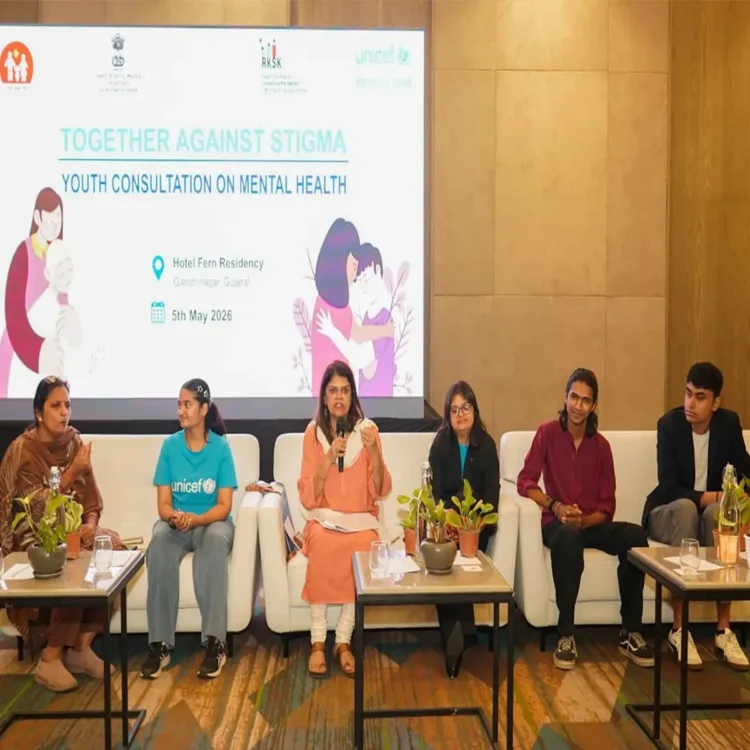
The findings were recently presented during an event jointly organised by the Health Ministry, UNICEF, and partner organisations focusing on adolescent mental health and overall well-being.
Positive Changes Seen After Centre Upgrades
While the assessment identified operational gaps, counsellors interviewed during the study also acknowledged several improvements following the transition from regular centres to upgraded Model AFHCs.
Many counsellors said the newer facilities are larger, more organised, and designed specifically for adolescents. They noted that the environment has become more welcoming and less judgmental, encouraging young people to seek medical and counselling support with greater confidence.
Healthcare workers further stated that better infrastructure and additional resources have improved their ability to engage with adolescents effectively. However, most respondents also admitted that the transition has resulted in a noticeable increase in workload and pressure on available staff.
As of January 2025, India had established around 150 Model Adolescent Friendly Health Centres nationwide.
Recommendations for Better Adolescent Care
The UNICEF-led assessment recommended immediate measures to improve staffing and maintain service standards. It urged authorities to appoint dedicated medical officers for adolescent services and ensure the availability of full-time counsellors at all facilities.
The report also stressed the importance of creating properly ventilated, adequately sized, and private counselling rooms to improve confidentiality and strengthen trust among adolescent patients.
Another major recommendation focused on improving coordination between districts. The report suggested that Model AFHCs should function as centres of excellence where healthcare workers can participate in peer learning programmes, joint training sessions, and knowledge-sharing activities.
Greater Community Support Needed
The study further highlighted the need for stronger involvement from schools and local communities to increase awareness and encourage adolescents to access healthcare services.
It recommended regular refresher training for counsellors, nurses, and community health officers on issues such as adolescent mental health, gender sensitivity, and inclusive healthcare practices. Experts involved in the assessment believe that continuous training will help staff respond more effectively to the evolving challenges faced by young people.
Background of Model AFHC Programme
The Union Ministry of Health introduced Model Adolescent Friendly Health Centres in 2022 to strengthen specialised healthcare services for young people across India. These upgraded centres were integrated into existing adolescent clinics at district hospitals with improved infrastructure, expanded staffing support, and wider healthcare services.
The initiative was designed to create youth-focused healthcare environments capable of addressing both physical and mental health concerns among adolescents in a safe and supportive manner.