
FuelPrices – Rising Fuel Costs Deepen Crisis for India’s Gig Workers
FuelPrices The latest increase in petrol and diesel prices has intensified financial concerns among India’s gig and platform workers, with worker representatives demanding urgent revisions in payment structures to offset mounting operational expenses.
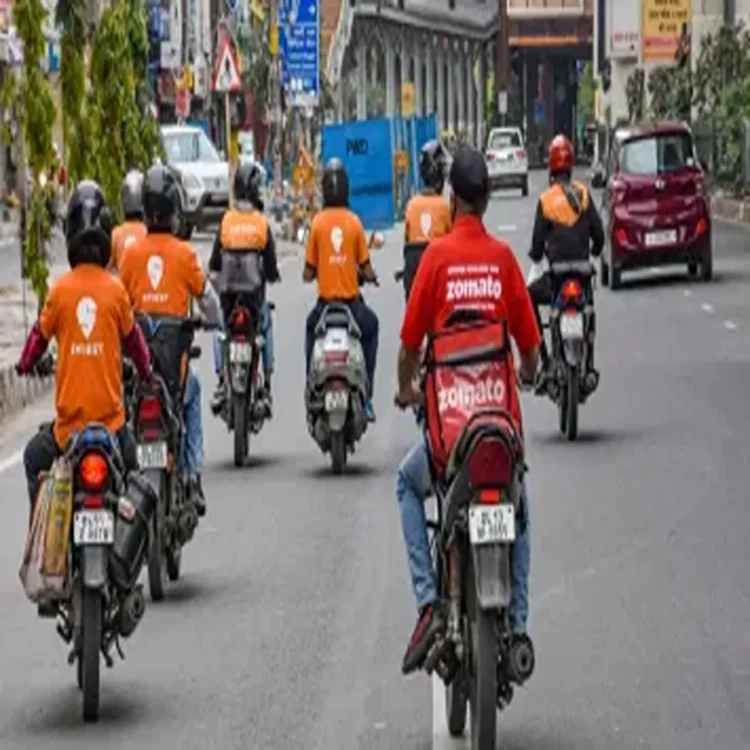
The recent hike in fuel prices has sparked anxiety among thousands of app-based workers involved in food delivery, ride-hailing, courier services and logistics operations across the country. The Gig & Platform Service Workers Union (GIPSWU) has called on both government authorities and digital platform companies to reconsider existing compensation systems as workers struggle to manage rising daily costs.
The union also appealed to delivery riders and transport partners to participate in a peaceful service suspension between 12 pm and 5 pm on May 16. According to the organisation, the move was intended to highlight the growing economic burden faced by workers dependent on two-wheelers and private vehicles for their livelihood.
Fuel Price Increase Raises Worker Concerns
In a statement released on Friday, GIPSWU said the increase in petrol and diesel rates would have a direct impact on lakhs of workers operating in India’s expanding app-based economy. Since many of these workers rely on motorcycles and scooters throughout the day, even small increases in fuel prices significantly reduce their take-home earnings.
Reports referenced by the union indicated that petrol and diesel prices had risen by nearly Rs 3 per litre. Following the revision, petrol in Delhi was reportedly priced at around Rs 97.77 per litre, while diesel rates climbed to nearly Rs 90.67 per litre.
The organisation noted that the financial pressure on working-class households had already intensified in recent months due to rising LPG cylinder prices and increasing household expenses. Worker representatives argued that fuel-related costs now consume a substantial portion of daily income earned through app-based work.
Gig Workers Seek Better Compensation
Nirmal Gorana, national coordinator of the Gig & Platform Service Workers Union, said gig workers remain among the most financially vulnerable sections of the unorganised workforce. He explained that their income is directly tied to vehicle usage, making fuel price fluctuations a major concern for riders and drivers across the country.
According to Gorana, workers continue to face rising operational expenses while payment models used by several app-based companies have largely remained unchanged. As a result, many delivery personnel and drivers are reportedly working longer hours to maintain the same level of earnings they received earlier.
The union stated that the present system does not adequately account for increasing fuel expenses, vehicle maintenance costs and inflation. It warned that without timely intervention, many workers could face serious financial strain in the coming months.
Demand for Revised Service Rates
GIPSWU president Seema Singh said workers are finding it increasingly difficult to manage daily expenses despite working extended shifts, often under extreme weather conditions. She added that delivery partners and drivers continue to perform essential services in challenging circumstances while facing declining real earnings.
The union has demanded the implementation of a service rate of Rs 20 per kilometre for workers using their own vehicles for app-based services. According to worker representatives, such a revision would help partially compensate for rising fuel costs and other vehicle-related expenses.
Industry observers say the issue highlights broader concerns surrounding the gig economy in India, where millions of workers depend on digital platforms for employment but often lack formal social security protections and fixed wage structures. Worker groups have repeatedly urged policymakers and companies to introduce more stable earning mechanisms and stronger safeguards for gig workers.
The latest appeal by the union comes at a time when inflation and fuel prices continue to influence household budgets across urban India, placing additional pressure on workers dependent on daily earnings.