
NuclearSafety – Japan’s Onagawa Reactor Shut Down After Steam Detection
NuclearSafety – Authorities in Japan have temporarily suspended operations at the No. 2 reactor of the Onagawa Nuclear Power Station in Miyagi Prefecture after radioactive steam was identified inside the turbine building during an internal inspection process.
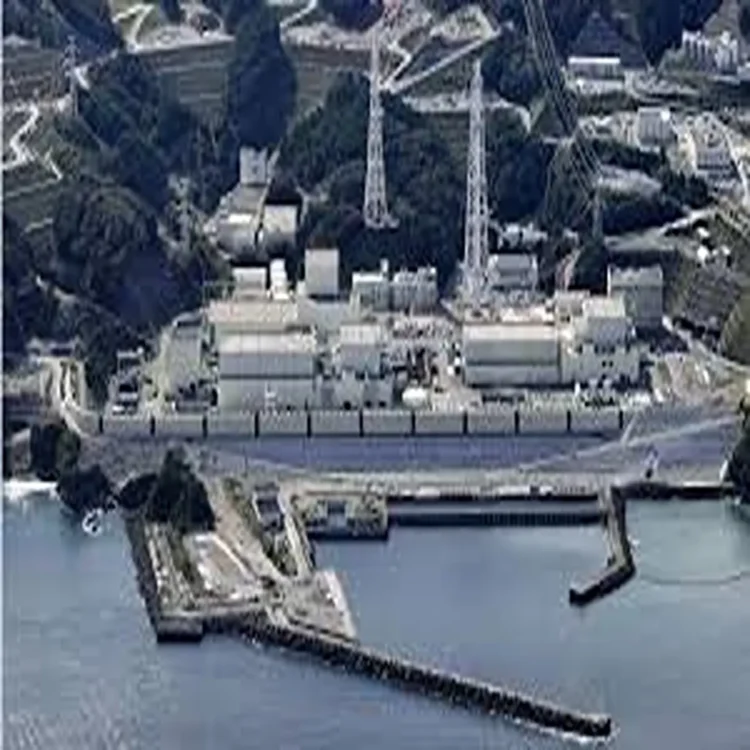
The announcement was made by Tohoku Electric Power Company on Friday evening. According to the operator, plant workers detected a minor amount of radioactive steam at approximately 5:10 p.m. local time within the turbine section linked to the reactor. Officials emphasized that no radioactive substances escaped outside the facility and described the shutdown as a precautionary step to allow detailed equipment checks.
Inspection Conducted Following Steam Detection
The utility company stated that the reactor was stopped to examine the source of the steam and confirm the condition of related systems. Company representatives also clarified that there was no threat to nearby communities or the surrounding environment.
Officials further rejected suggestions that the incident was connected to the magnitude-6.4 earthquake that struck northeastern Japan later the same day. The company explained that the reactor issue had been identified before the seismic event and that there were no signs indicating earthquake-related damage at the plant.
The No. 2 reactor had only recently resumed activity after undergoing scheduled maintenance inspections. It was restarted earlier this week, and commercial power generation had been expected to begin again on June 9.
Recent Nuclear Plant Incidents Raise Attention
The development at the Onagawa facility comes shortly after another operational issue was reported at a separate nuclear plant in Japan. Earlier this month, a steam leak was detected at the No. 3 reactor of the Mihama Nuclear Power Plant located in Fukui Prefecture.
According to local reports, the steam leak was discovered around 4:10 a.m. near the reactor’s high-pressure turbine system. The reactor was manually shut down roughly 15 minutes later as a safety measure.
Plant operator Kansai Electric Power Company said the leaked steam did not contain radioactive materials and confirmed that the incident had no environmental impact outside the facility.
Long Operational History of Mihama Reactor
The Mihama No. 3 reactor first entered operation in 1976 and is among Japan’s older nuclear units still in service. Following the Fukushima nuclear accident in 2011, the reactor was temporarily taken offline as part of nationwide safety reviews and stricter nuclear regulations. It eventually resumed operations in 2021 after meeting updated safety standards.
Japan has continued to gradually restart selected nuclear reactors over recent years as the country attempts to balance energy security concerns with strict safety oversight introduced after the Fukushima disaster.
Onagawa Reactor Restarted After Years Offline
The Onagawa No. 2 reactor had resumed power generation in November 2024 for the first time since the Fukushima nuclear crisis. The reactor restart marked a significant step for Japan’s energy sector because the facility uses the same boiling water reactor technology as the reactors involved in the Fukushima Daiichi accident.
Before the latest shutdown, the operator had been conducting gradual output adjustments and system evaluations designed to confirm stable operations. Temporary pauses for equipment inspections were already part of the planned restart process.
The reactor has a generating capacity of 825,000 kilowatts. According to Tohoku Electric, operating the unit at roughly 70 percent capacity for a year could supply electricity comparable to the annual consumption of around 1.62 million households.
Ongoing Focus on Nuclear Safety in Japan
Japan’s nuclear industry remains under close public and regulatory scrutiny more than a decade after the devastating earthquake and tsunami of March 2011 triggered the Fukushima Daiichi nuclear disaster. Since then, plant operators across the country have faced tougher safety requirements, extensive inspections, and regular operational reviews before reactors can return to service.
Authorities continue to monitor all developments at the Onagawa facility while inspections into the detected steam are carried out. No injuries or external contamination have been reported so far.